Regular senior dog vet visits are crucial for maintaining your aging companion’s health and quality of life. As dogs reach their golden years—typically around 7 years old for larger breeds and 10 years old for smaller breeds—their healthcare needs change significantly. Senior dogs should see a veterinarian at least twice a year, compared to the annual visits recommended for younger dogs, because age-related health issues can develop quickly and benefit from early detection.
The importance of increased veterinary care for senior dogs cannot be overstated. Many age-related conditions, such as arthritis, kidney disease, heart problems, and cognitive changes, may not show obvious symptoms in their early stages. Regular check-ups allow veterinarians to monitor your dog’s health trends, catch potential problems before they become serious, and adjust care plans to keep your senior dog comfortable and healthy for as long as possible.
What Dog Owners Should Know
Senior dog health requires a different approach than caring for younger dogs. As dogs age, their bodies undergo natural changes that can affect everything from their metabolism to their immune system function. Understanding these changes helps you provide better care and recognize when professional veterinary attention is needed.
According to the American Veterinary Medical Association, Senior Pet Care Guidelines emphasize that preventive care becomes even more critical as dogs age. Common health concerns in senior dogs include joint problems, dental disease, vision and hearing changes, weight management issues, and organ function decline. These conditions often develop gradually, making regular veterinary monitoring essential for early intervention.
Senior dogs also process medications differently than younger dogs, and they may need adjusted dosages or different treatment approaches. Their nutritional needs change as well, often requiring specialized diets to support aging organs and maintain healthy body weight. Understanding Senior Dog Nutrition: Feeding Your Aging Pet can help you make informed decisions about your dog’s dietary needs as they age.
Mental and cognitive health is another important consideration for senior dogs. Some dogs may experience cognitive dysfunction syndrome, which can affect their behavior, sleep patterns, and overall quality of life. Regular veterinary assessments can help identify these changes early and provide management strategies to keep your dog comfortable and engaged.
Establishing a consistent care routine becomes increasingly important for senior dogs. How to Create a Balanced Routine for Your Senior Dog offers valuable guidance on structuring daily activities to support your aging pet’s physical and mental well-being.
What You Can Do at Home
While regular veterinary care is essential, there are many things you can do at home to support your senior dog’s health between vet visits. Daily observation is one of the most valuable tools you have as a pet owner. Pay attention to changes in your dog’s eating habits, water consumption, energy levels, mobility, and bathroom habits. Small changes that develop gradually can be easy to miss, so keeping a simple log can help you track patterns over time.
Maintaining your senior dog’s mobility is crucial for their overall quality of life. Gentle, regular exercise helps keep joints flexible and muscles strong, but the intensity and duration may need to be adjusted as your dog ages. Swimming, short walks, and controlled play sessions are often ideal for senior dogs. If your dog is experiencing mobility challenges, Senior Dog Mobility: Tips for Helping Your Aging Pet provides practical strategies to help them stay active and comfortable.
Creating a comfortable living environment supports your senior dog’s changing needs. This might include providing orthopedic bedding, ensuring easy access to food and water, installing ramps or steps to help with elevation changes, and maintaining consistent room temperatures. Senior dogs may be more sensitive to temperature extremes and may need additional comfort measures during weather changes.
Dental care becomes increasingly important for senior dogs, as dental disease can affect their overall health and comfort. Regular brushing, dental treats, and monitoring for signs of dental problems like bad breath, difficulty eating, or pawing at the face can help maintain oral health between professional cleanings.
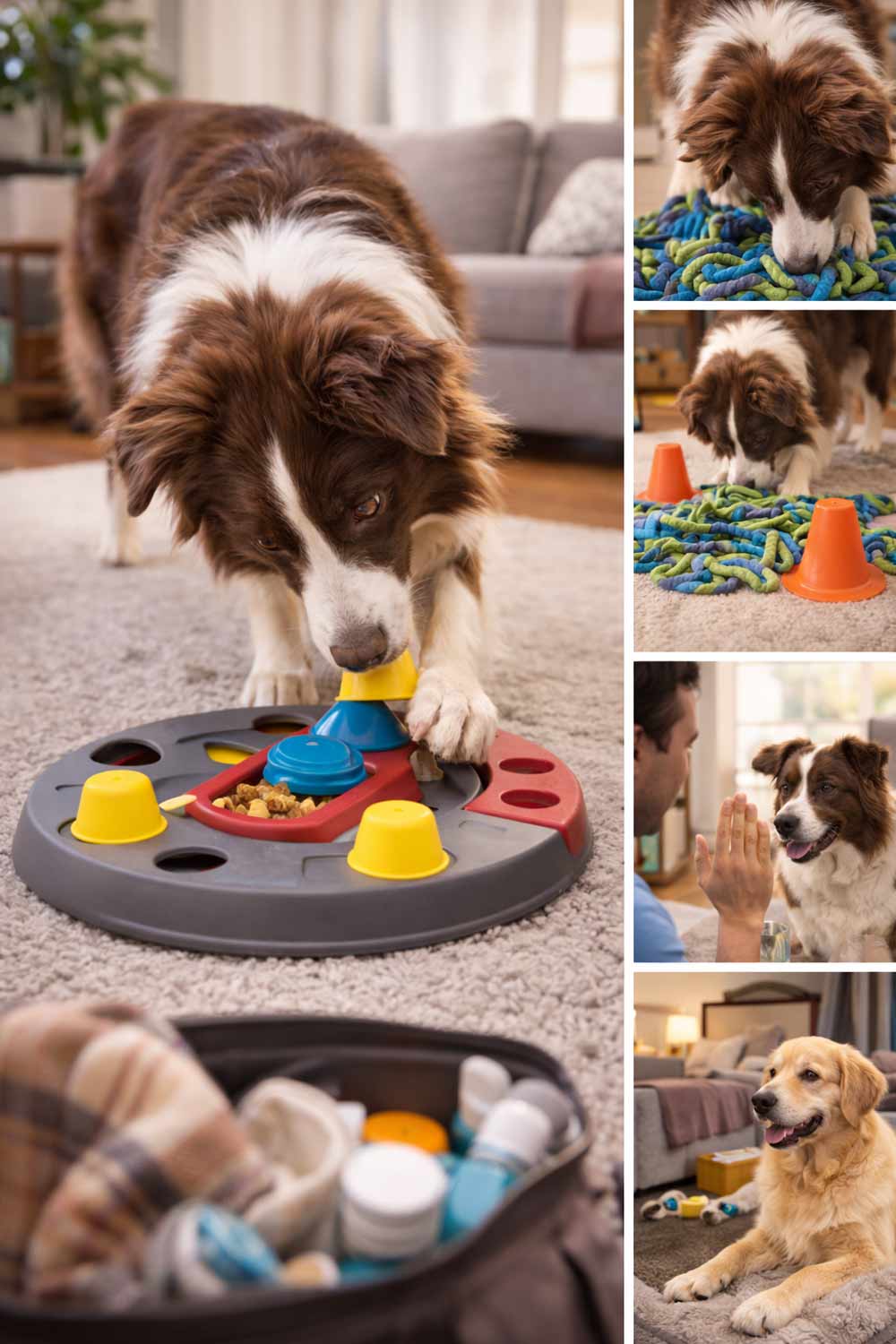
Mental stimulation remains important for senior dogs, though you may need to adjust activities to match their energy levels and physical capabilities. Puzzle feeders, gentle training sessions, and interactive toys can help keep their minds active while accommodating any physical limitations they may have developed.
When to Call Your Vet
Knowing when to seek veterinary care for your senior dog is crucial for maintaining their health and comfort. While regular check-ups are scheduled in advance, certain signs indicate that immediate or urgent veterinary attention may be needed.
Contact your veterinarian promptly if you notice sudden changes in your senior dog’s behavior, eating habits, or activity levels. This includes loss of appetite lasting more than 24 hours, significant changes in water consumption, difficulty breathing, persistent coughing, vomiting or diarrhea, difficulty urinating or defecating, or obvious signs of pain such as whimpering, panting excessively, or reluctance to move.
Changes in mobility warrant veterinary evaluation, especially if your dog suddenly has difficulty standing, walking, or shows signs of disorientation or confusion. Senior dogs can develop conditions that affect their balance and coordination, and early intervention often leads to better outcomes.
Behavioral changes in senior dogs should not be dismissed as normal aging. Increased anxiety, changes in sleep patterns, house training accidents in previously well-trained dogs, or signs of cognitive confusion may indicate underlying health issues that can be managed with appropriate veterinary care.
Any lumps, bumps, or changes in your dog’s skin should be evaluated by a veterinarian. While not all growths are serious, early detection and diagnosis are important for determining the best course of action.
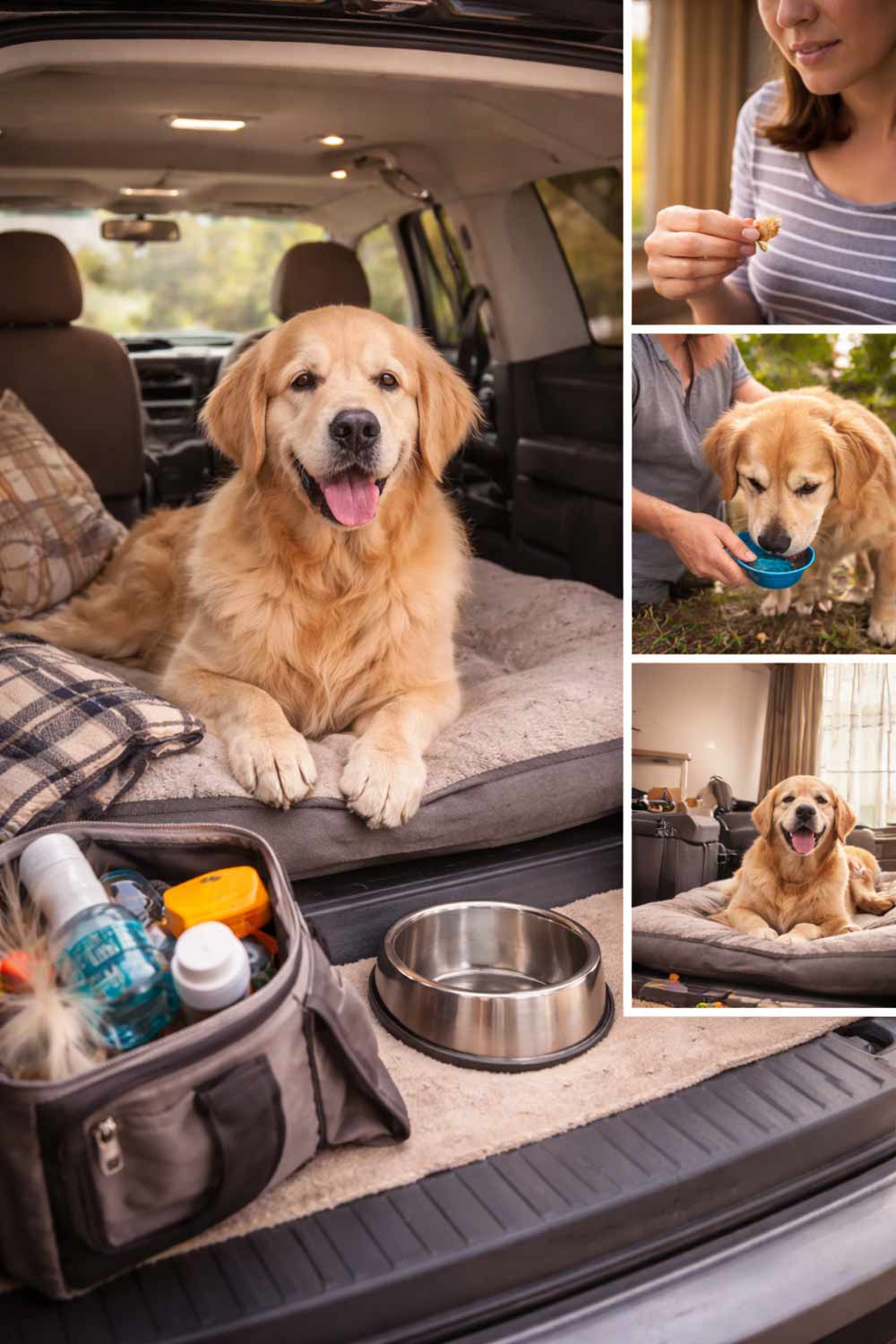
If you’re planning any significant changes to your senior dog’s routine, such as travel, it’s wise to discuss this with your veterinarian first. Best Practices for Traveling with Senior Dogs can help you prepare for trips while considering your aging pet’s specific needs.
FAQ
How often should senior dogs visit the vet?
Senior dogs should typically see a veterinarian every six months, or twice a year. This increased frequency compared to younger dogs allows for better monitoring of age-related health changes and early detection of potential problems. Your veterinarian may recommend more frequent visits depending on your dog’s specific health conditions and needs.
What are common health issues in senior dogs?
Common health concerns in senior dogs include arthritis and joint problems, dental disease, heart conditions, kidney disease, vision and hearing loss, weight management issues, cognitive dysfunction, and various forms of cancer. Many of these conditions develop gradually and benefit from early detection through regular veterinary care.
What should I expect during a senior dog vet visit?
During a senior dog checkup, veterinarians typically conduct a thorough physical examination, discuss any changes you’ve observed at home, and may recommend diagnostic tests such as blood work, urine analysis, or other screenings. The Pet Health Network explains that Senior Dog Checkup Expectations often include more comprehensive health assessments than routine visits for younger dogs.
Are there specific vaccinations needed for senior dogs?
Vaccination needs for senior dogs depend on their lifestyle, health status, and regional disease risks. While core vaccines remain important, your veterinarian may adjust the vaccination schedule or recommend additional protective measures based on your senior dog’s individual circumstances and any underlying health conditions.
How can I prepare my senior dog for a vet visit?
To prepare your senior dog for a vet visit, maintain their regular routine as much as possible before the appointment, bring a list of any changes you’ve observed, gather current medications, and consider bringing comfort items like a favorite blanket. For senior dogs with mobility issues, discuss transportation options with your veterinary clinic, as they may offer accommodations to make visits more comfortable.
This article is for educational purposes only and is not intended to replace professional veterinary advice, diagnosis, or treatment. Always consult with a qualified veterinarian about your dog’s specific health needs and concerns.
Disclaimer: This article is educational and not a substitute for professional veterinary advice.