Just like humans, dogs can suffer from seasonal allergies that cause uncomfortable symptoms ranging from mild itching to severe skin irritation. Seasonal allergies in dogs are typically triggered by environmental allergens like pollen, mold spores, and dust mites that become more prevalent during certain times of the year. These allergies can significantly impact your dog’s quality of life, making them miserable with constant scratching, licking, and general discomfort.
The good news is that with proper recognition of symptoms and appropriate treatment approaches, you can help your furry friend feel more comfortable during allergy season. Understanding what to watch for and when to seek professional help will ensure your dog receives the care they need to manage their allergic reactions effectively.
Why This Risk Matters
Seasonal allergies in dogs represent more than just temporary discomfort. When left untreated, allergic reactions can lead to secondary complications that affect your pet’s overall health and well-being. Constant scratching and licking can create open wounds on the skin, providing entry points for bacterial infections that require more intensive treatment.
The persistent itching and discomfort from allergies can also disrupt your dog’s sleep patterns and daily activities. Dogs suffering from untreated allergies may become irritable, lose their appetite, or withdraw from normal social interactions with family members. This behavioral change can strain the bond between you and your pet while reducing their overall quality of life.
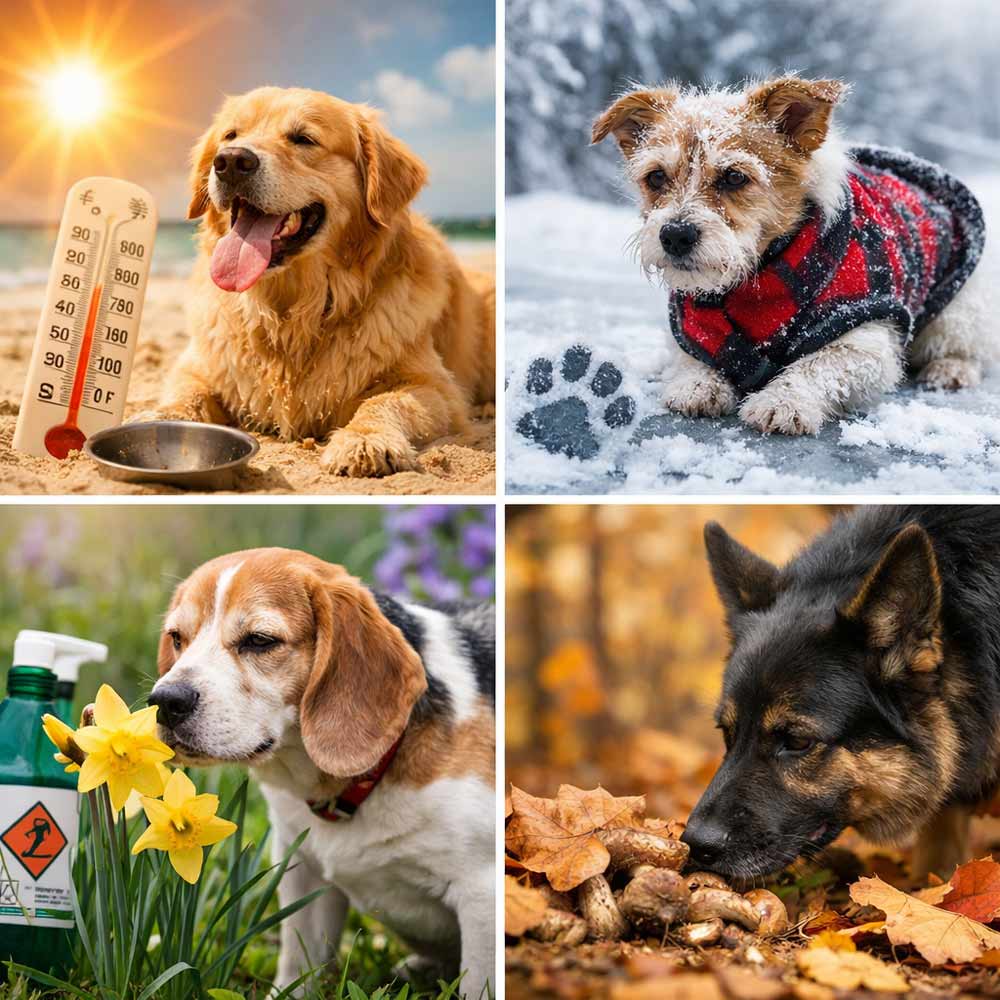
Additionally, some dogs develop chronic skin conditions when their allergies aren’t properly managed. Hot spots, eczema, and other dermatological issues can become recurring problems that require ongoing veterinary care. Early recognition and treatment of seasonal allergies can prevent these more serious complications from developing. Understanding Seasonal Risks for Dogs: What to Watch Out For helps you prepare for various environmental challenges your pet may face throughout the year.
Warning Signs to Watch For
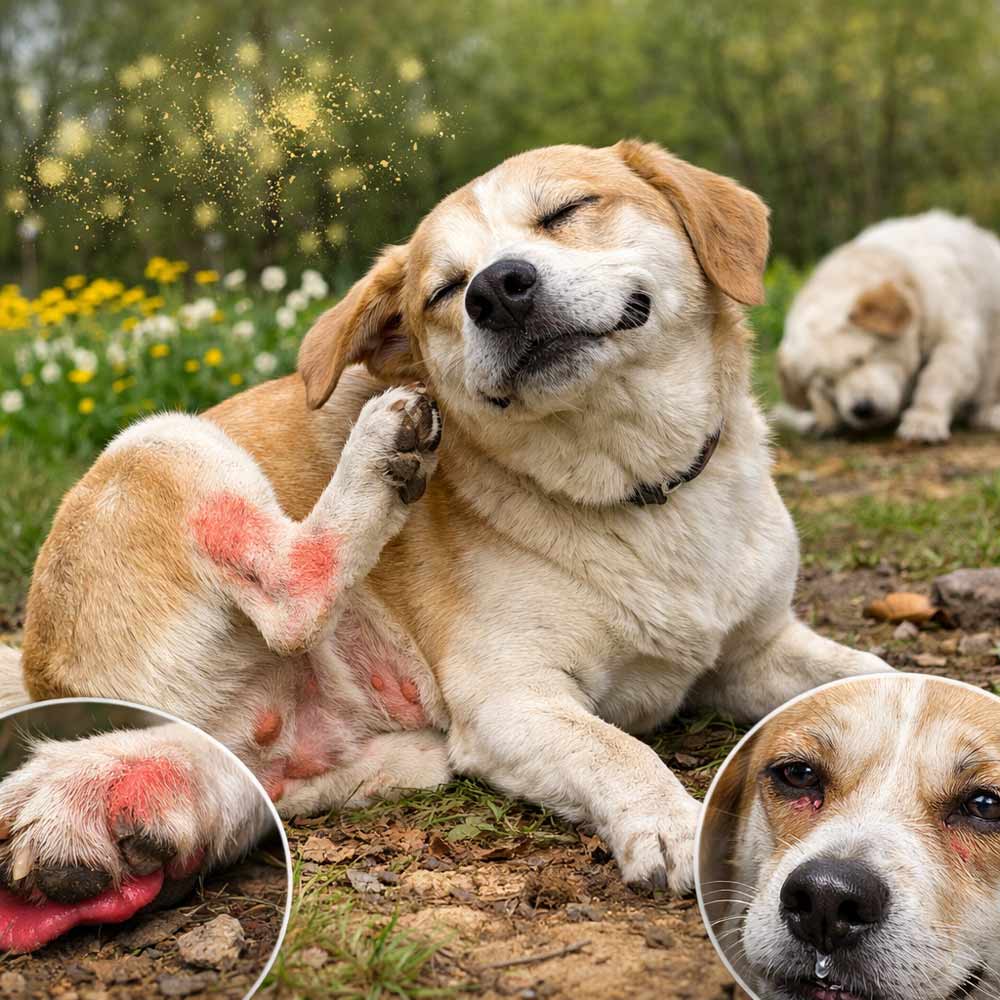
Recognizing the early signs of seasonal allergies in your dog is crucial for providing timely relief. The most common symptom is excessive scratching, particularly around the face, ears, paws, and belly. You might notice your dog scratching more frequently than usual or scratching the same spots repeatedly until the skin becomes red or irritated.
Respiratory symptoms often accompany skin reactions in allergic dogs. Watch for increased sneezing, coughing, or a runny nose, especially during peak allergy seasons like spring and fall. Some dogs may also experience watery or red eyes, similar to hay fever symptoms in humans.
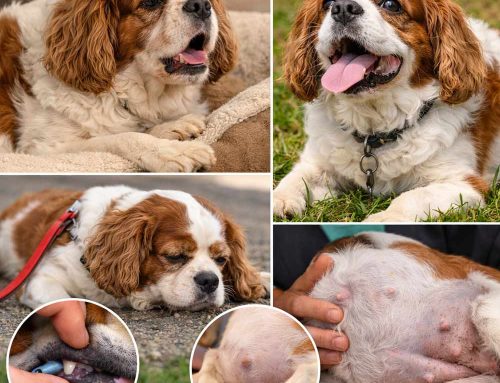
Changes in your dog’s skin and coat can signal allergic reactions. Look for red, inflamed patches of skin, excessive shedding, or areas where your dog has licked or chewed the fur away. Hot spots – moist, red, and often infected areas of skin – commonly develop when dogs scratch or lick allergic irritations.
Behavioral changes may also indicate your dog is struggling with allergies. Increased restlessness, difficulty sleeping, or reluctance to go outside during certain times of day could suggest your pet is trying to avoid allergen exposure. Some dogs become more clingy or seek cool surfaces to lie on when dealing with skin irritation from allergic reactions.
Pay attention to the timing of these symptoms. If you notice they occur seasonally or seem to worsen during specific weather conditions, this pattern strongly suggests environmental allergies rather than food sensitivities or other health issues.
What You Can Do Right Away
When you first notice signs of seasonal allergies in your dog, several immediate steps can provide relief while you prepare for a veterinary consultation. Start by giving your dog a gentle bath with lukewarm water and a mild, hypoallergenic dog shampoo. This helps remove allergens from their coat and skin while providing temporary relief from itching.
Wipe down your dog’s paws, face, and belly with a damp cloth after outdoor activities, especially during high pollen days. This simple practice removes allergens before they can cause more irritation. Pay special attention to areas between the toes and around the eyes where pollen and other allergens commonly accumulate.
Create a cleaner indoor environment by using air purifiers and keeping windows closed during peak allergen seasons. Wash your dog’s bedding frequently in hot water and vacuum carpeted areas regularly to reduce dust mites and other indoor allergens that might be contributing to their symptoms.
Adjust your dog’s outdoor schedule to minimize exposure during high-allergen periods. Early morning and late evening walks often expose dogs to fewer airborne allergens than midday activities when pollen counts are typically highest.
Monitor your dog’s scratching and prevent excessive self-trauma by keeping their nails trimmed short. Consider using protective clothing like breathable shirts or booties during outdoor activities to create a barrier between your dog’s skin and environmental allergens.
Ensure your dog stays well-hydrated and maintains a healthy diet to support their immune system. Some dogs benefit from omega-3 fatty acid supplements, but consult with your veterinarian before adding any supplements to your pet’s routine.
When to Call Your Vet
While mild allergic symptoms can sometimes be managed with basic care, certain situations require prompt veterinary attention. Contact your veterinarian if your dog develops severe, persistent itching that interferes with eating, sleeping, or normal activities. This level of discomfort indicates the need for prescription treatments to provide adequate relief.
Seek veterinary care immediately if you notice signs of secondary skin infections, including open wounds, pustules, foul odors from the skin, or areas that feel warm to the touch. These complications can worsen rapidly and may require antibiotic treatment in addition to allergy management.
Respiratory symptoms that seem severe or worsen over time warrant professional evaluation. If your dog has difficulty breathing, persistent coughing that disrupts sleep, or excessive nasal discharge, these could indicate more serious allergic reactions or secondary complications.
Don’t delay veterinary consultation if home management strategies haven’t provided noticeable improvement within a few days. Your veterinarian can prescribe more effective treatments and help identify specific allergens affecting your dog through specialized testing if necessary.
Schedule a veterinary appointment if your dog’s allergic symptoms seem to be expanding or changing. What starts as mild seasonal itching can sometimes develop into year-round sensitivities or food allergies that require different management approaches. For comprehensive information about identifying various allergy types, refer to Recognizing Canine Allergies: Symptoms and Solutions.
Consider professional help if you’re struggling to identify patterns in your dog’s symptoms or if they seem to have allergic reactions year-round. A veterinary dermatologist can provide specialized testing and treatment plans for complex allergic conditions.
FAQ
What are the most common allergens for dogs?
The most common seasonal allergens affecting dogs include tree pollen (especially in spring), grass pollen (common in late spring and summer), weed pollen (prevalent in fall), mold spores that thrive in damp conditions, and dust mites found in household environments. These allergens can vary by geographic location and season, making it important to observe when your dog’s symptoms are most severe.
How can I tell if my dog has seasonal allergies?
Seasonal allergies typically follow predictable patterns tied to specific times of year or weather conditions. Watch for symptoms like excessive scratching, red or irritated skin, sneezing, watery eyes, or behavioral changes that occur consistently during certain seasons. Unlike food allergies, seasonal allergies usually affect the skin and respiratory system rather than causing digestive upset.
What treatments are available for dog allergies?
Treatment options range from environmental management and topical care to prescription medications. Veterinarians may recommend antihistamines, corticosteroids, or newer immunotherapy treatments depending on the severity of symptoms. Medicated shampoos, topical sprays, and dietary supplements can also play important roles in comprehensive allergy management plans.
Are there any home remedies for dog allergies?
Safe home management includes regular bathing with gentle shampoos, wiping down your dog after outdoor exposure, using air purifiers, and maintaining clean bedding. Some dogs benefit from cool compresses on irritated skin or oatmeal baths for soothing relief. However, avoid using human medications or unproven remedies without veterinary guidance, as these can sometimes worsen symptoms or cause harmful side effects.
When should I take my dog to the vet for allergies?
Schedule a veterinary visit if your dog’s symptoms are severe, persistent, or interfering with their daily activities. Immediate veterinary care is needed if you notice signs of skin infection, difficulty breathing, or if home management hasn’t provided improvement within a few days. Early professional intervention often prevents complications and provides more effective relief than attempting to manage severe symptoms at home.
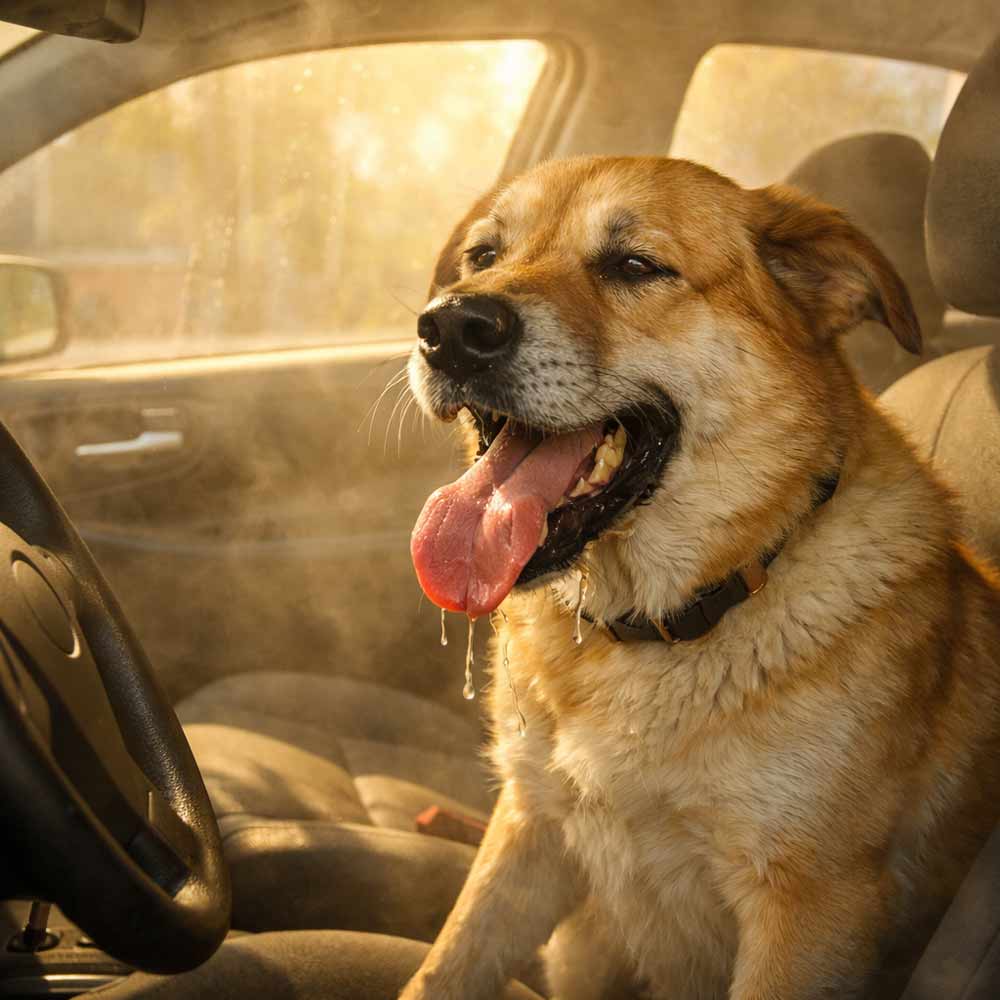
Just as you would monitor summer heat risks by understanding topics like Preventing Heatstroke in Dogs: Essential Tips for Hot Weather and The Risks of Leaving Dogs in Hot Cars: What You Should Know, staying alert to seasonal allergy symptoms helps protect your dog’s health year-round.
Disclaimer: This article is for educational purposes only and is not intended to replace professional veterinary advice. Always consult with a qualified veterinarian for proper diagnosis and treatment of your dog’s health conditions. If you suspect your dog is experiencing severe allergic reactions or any health emergency, seek immediate veterinary care.
Disclaimer: This article is educational and not a substitute for professional veterinary advice.