How to Prevent Dog Heatstroke: Essential Tips
Preventing dog heatstroke requires understanding your pet’s vulnerability to high temperatures and taking proactive steps to keep them cool and safe. Unlike humans, dogs cannot effectively regulate their body temperature through sweating and rely primarily on panting to cool down, making them particularly susceptible to overheating in warm weather conditions.
Heatstroke in dogs occurs when their body temperature rises dangerously high, typically above 104°F (40°C), overwhelming their natural cooling mechanisms. This potentially life-threatening condition can develop rapidly, especially in hot, humid weather or when dogs are exposed to enclosed spaces like cars. By recognizing environmental risks and implementing simple preventive measures, you can significantly reduce your dog’s risk of experiencing this serious health emergency.
What Dog Owners Should Know
Understanding the signs and risk factors associated with heatstroke is crucial for every dog owner. Dogs experiencing heat-related stress may display various symptoms that can progress from mild to severe quickly. Early warning signs often include excessive panting, drooling, restlessness, and seeking cool surfaces to lie on. As the condition worsens, dogs may exhibit more concerning symptoms such as vomiting, diarrhea, lethargy, difficulty breathing, or changes in gum color from pink to bright red or pale.
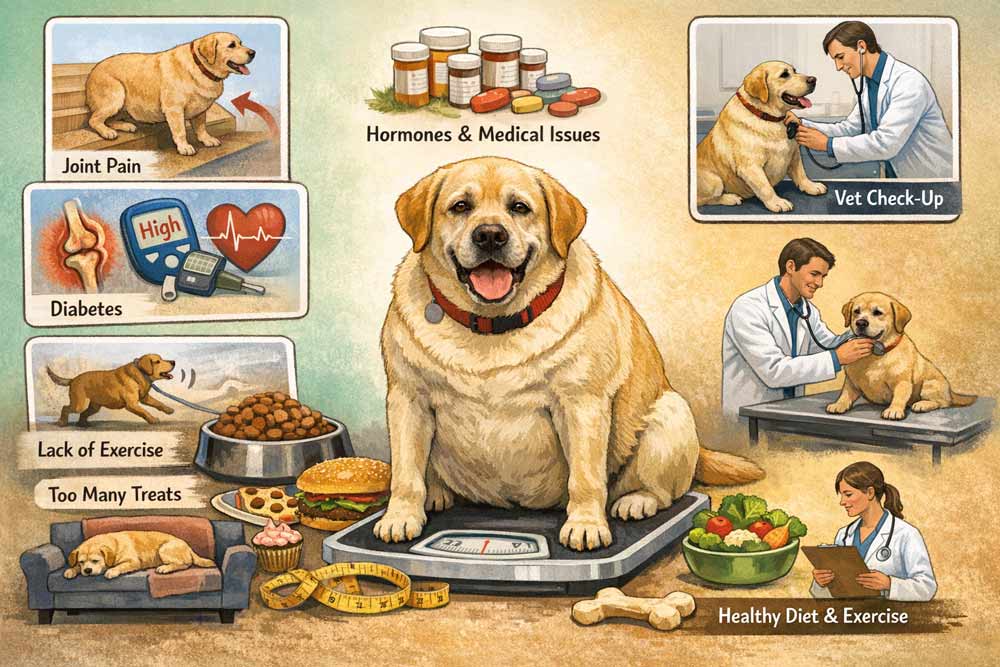
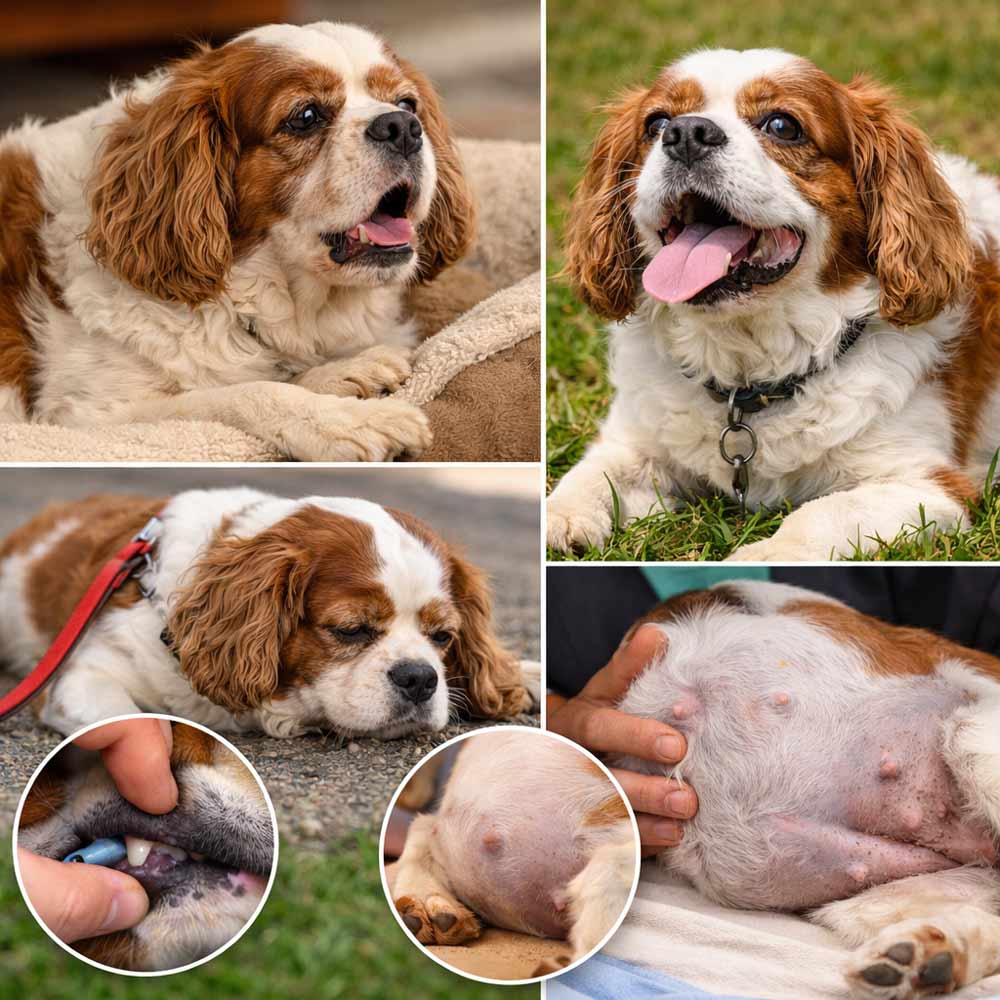
Certain factors increase a dog’s susceptibility to heatstroke. Brachycephalic breeds (those with flat faces) like Bulldogs, Pugs, and Boston Terriers face higher risks due to their compromised breathing ability. Senior dogs, puppies, overweight pets, and those with underlying health conditions are also more vulnerable. Dogs with thick, dark coats absorb more heat, while those taking certain medications may have impaired temperature regulation.
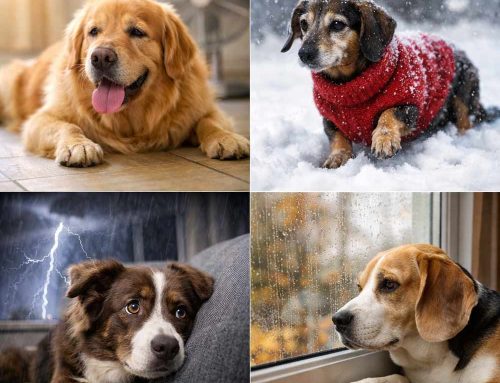
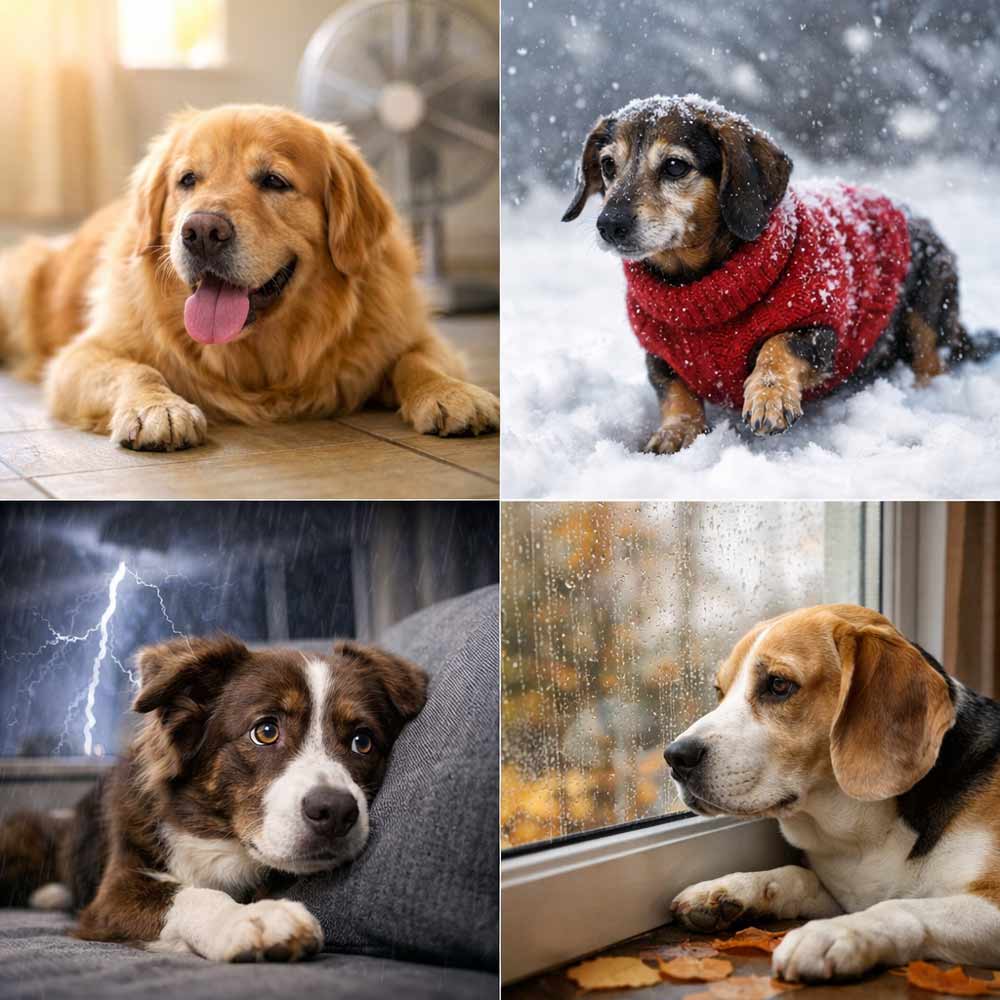
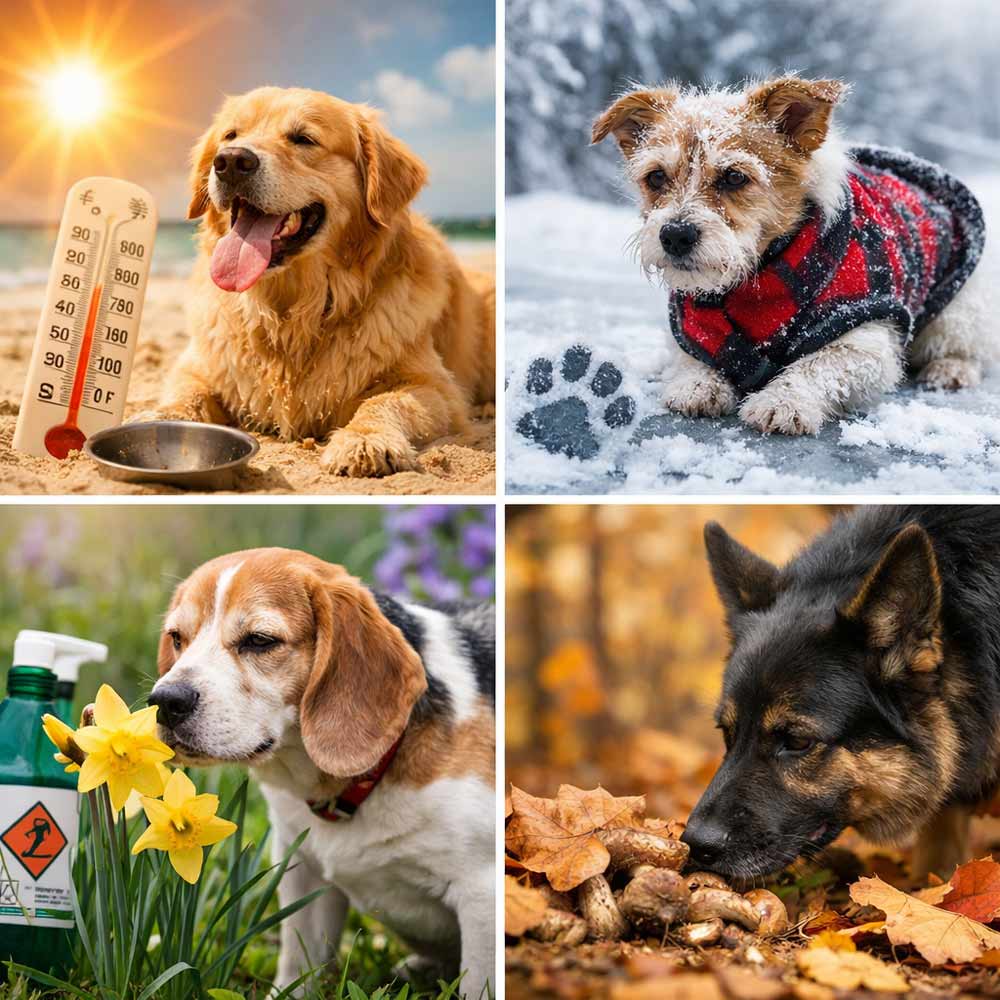
Environmental risks play a significant role in heatstroke development. Hot cars represent one of the most dangerous situations, as interior temperatures can rise to lethal levels within minutes, even with windows cracked. Hot pavement can burn paw pads and contribute to overheating, while high humidity reduces the effectiveness of panting. Strenuous exercise during peak heat hours, lack of shade or water access, and confinement in poorly ventilated spaces all create potentially dangerous conditions. Understanding the Effects of Weather on Dog Behavior can provide additional insights into how environmental conditions impact your pet.
What You Can Do at Home
Creating a safe environment and establishing good heat safety practices are your primary defenses against heatstroke. Start by ensuring your dog always has access to fresh, cool water both indoors and outdoors. Consider using elevated water bowls or automatic waterers to encourage drinking, and add ice cubes to water dishes on particularly hot days.
Timing outdoor activities appropriately is essential. Schedule walks, exercise, and playtime during cooler parts of the day, typically early morning or evening hours. Before heading out, test pavement temperature with your hand – if it’s too hot for you to comfortably hold your palm against it for five seconds, it’s too hot for your dog’s paws. When outdoors during warmer weather, stick to grassy areas or invest in protective booties for your pet.
Provide adequate shelter and cooling options in your home and yard. Ensure shaded areas are available outdoors, whether from trees, umbrellas, or purpose-built shade structures. Indoors, maintain comfortable temperatures with fans, air conditioning, or open windows with cross-ventilation. Cooling mats, wet towels, or kiddie pools can offer additional relief for heat-sensitive dogs.
Modify your dog’s routine based on weather conditions. On extremely hot days, consider indoor activities or mental stimulation games instead of physical exercise. Swimming, if your dog enjoys it and you can supervise safely, provides excellent exercise while keeping them cool. Remember that The Dangers of Blue-Green Algae: What Dog Owners Need to Know when considering water-based activities.
Never leave your dog unattended in vehicles, even for brief periods. Interior car temperatures can reach dangerous levels within minutes, regardless of outside temperature or window position. If you must travel with your pet during warm weather, ensure proper ventilation, bring water, and plan frequent stops in shaded areas.
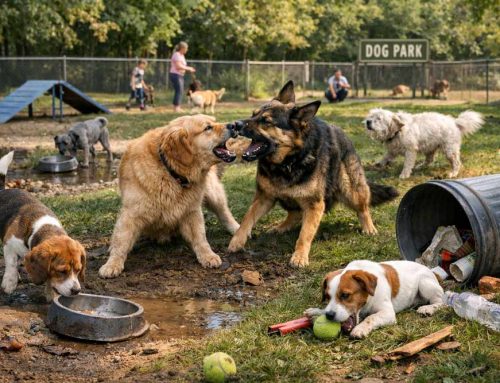
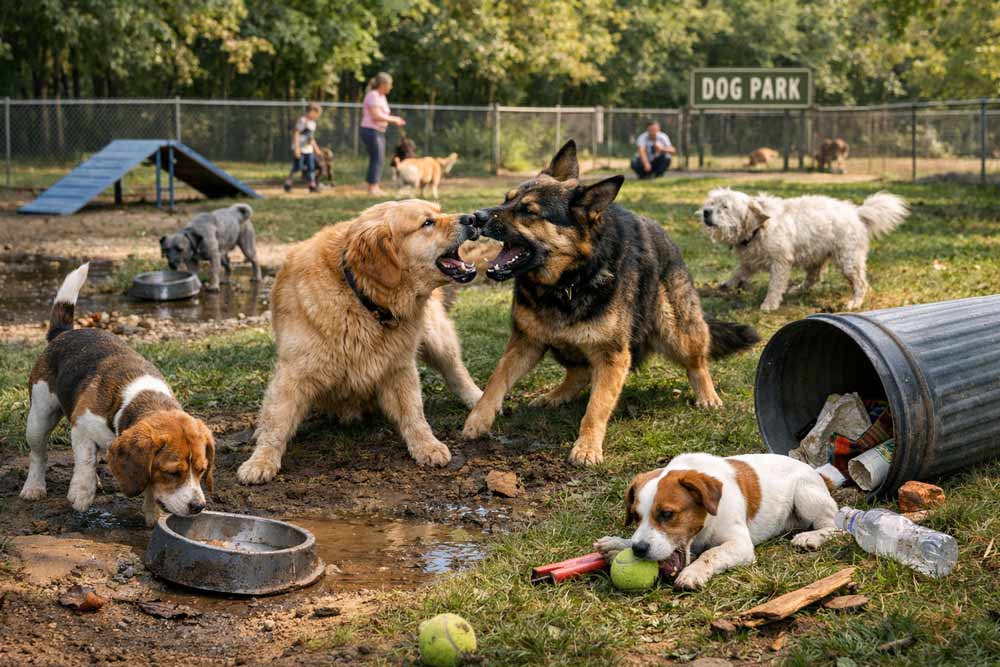
Regular grooming helps with temperature regulation, though you should avoid shaving double-coated breeds completely, as their coat actually helps insulate against heat when properly maintained. For dogs that spend significant time in outdoor areas, consider whether The Dangers of Dog Parks: What Every Owner Should Know applies to your situation, as crowded, sun-exposed areas can increase heat stress risks.
When to Call Your Vet
Recognizing when your dog’s condition requires immediate veterinary attention can be life-saving. Contact your veterinarian or emergency animal hospital immediately if your dog shows signs of severe heat stress, including excessive panting that doesn’t subside after moving to a cool area, difficulty breathing, vomiting, diarrhea, or appearing disoriented or lethargic.
Other urgent warning signs include bright red or pale gums, thick saliva, stumbling or loss of coordination, and collapse or loss of consciousness. If your dog’s body feels excessively hot to the touch or they seem unable to regulate their temperature after reasonable cooling measures, this constitutes a veterinary emergency.
While waiting for veterinary care or transport, you can begin careful cooling measures. Move your dog to a cool, shaded area and offer small amounts of cool (not ice-cold) water if they’re conscious and able to drink. Apply cool, wet towels to their paw pads, belly, and neck, replacing them frequently as they warm up. Avoid using ice or very cold water, which can cause blood vessels to constrict and actually impede cooling.
Use fans or air conditioning to improve air circulation, and contact your veterinary clinic to inform them of your arrival so they can prepare for immediate treatment. Time is critical in heatstroke cases, and professional veterinary intervention often involves IV fluids, temperature monitoring, and supportive care that cannot be provided at home.
Even if your dog seems to recover from a heat-related episode, veterinary evaluation is still recommended, as complications can develop hours later. Some dogs may experience secondary effects on their organs that require monitoring and treatment. Senior dogs or those with conditions like Recognizing Signs of Dog Arthritis: Early Detection and Management may need special consideration during heat-related incidents.
FAQ
What are the signs of heatstroke in dogs?
Early signs include excessive panting, drooling, restlessness, and seeking cool surfaces. More serious symptoms may include vomiting, diarrhea, bright red or pale gums, difficulty breathing, lethargy, disorientation, or collapse. Any combination of these symptoms, especially after heat exposure, warrants immediate attention.
How can I keep my dog cool in hot weather?
Provide constant access to fresh water, schedule activities during cooler hours, create shaded areas, use fans or air conditioning, and consider cooling products like mats or pools. Avoid hot pavement, never leave dogs in cars, and modify exercise routines based on temperature and humidity levels.
What should I do if I suspect my dog has heatstroke?
Move your dog to a cool area immediately and contact your veterinarian or emergency clinic. While seeking professional help, offer small amounts of cool water if they’re conscious, apply cool wet towels to paw pads and belly, and use fans for air circulation. Avoid ice or very cold water, which can worsen the condition.
Are certain breeds more susceptible to heatstroke?
Yes, flat-faced breeds (brachycephalic) like Bulldogs, Pugs, and French Bulldogs face higher risks due to breathing difficulties. Senior dogs, puppies, overweight pets, and those with thick coats or dark fur are also more vulnerable. Dogs with heart conditions, respiratory issues, or taking certain medications may have increased susceptibility as well.
Understanding that conditions like How to Manage Dog Separation Anxiety might affect how dogs respond to environmental stressors can also be helpful for comprehensive pet care.
This article is for educational purposes only and does not substitute for professional veterinary advice. Always consult with your veterinarian regarding your dog’s health concerns and before making significant changes to their care routine. If you suspect your dog is experiencing heatstroke or any medical emergency, contact your veterinarian or emergency animal hospital immediately.
Disclaimer: This article is educational and not a substitute for professional veterinary advice.