How to Recognize and Manage Dog Allergies
Dog allergies are surprisingly common and can significantly impact your pet’s quality of life. To manage dog allergies effectively, you need to first identify the symptoms, understand potential triggers, and work with your veterinarian to develop an appropriate treatment plan. The most common signs include excessive scratching, skin irritation, digestive upset, and respiratory symptoms like sneezing or coughing.
Successfully managing your dog’s allergies typically involves a combination of environmental changes, dietary adjustments, and sometimes medical intervention. While some mild allergy symptoms can be addressed with home care measures, persistent or severe reactions require professional veterinary evaluation to rule out underlying health conditions and ensure proper treatment.
Why Dogs Do This
Dogs develop allergic reactions when their immune system overreacts to normally harmless substances in their environment or diet. The most common triggers fall into three main categories: environmental allergens, food allergens, and contact allergens.
Environmental allergens include pollen from trees, grasses, and weeds, dust mites, mold spores, and dander from other animals. These allergens are often seasonal, which means you might notice your dog’s symptoms worsen during specific times of the year. For comprehensive information about timing and management, our guide on Seasonal Allergies in Dogs: Symptoms and Treatments provides detailed seasonal-specific advice.
Food allergies typically develop to proteins your dog has been exposed to repeatedly, such as chicken, beef, dairy, wheat, or eggs. Unlike environmental allergies, food allergies usually cause year-round symptoms. Contact allergies occur when your dog’s skin directly touches irritating substances like certain fabrics, cleaning products, or plants.
Genetics also play a role, as some breeds are more predisposed to developing allergies. Additionally, dogs with compromised immune systems or those experiencing stress may be more susceptible to allergic reactions. Environmental factors and lifestyle changes can sometimes trigger the onset of allergies in previously unaffected dogs.
When It Is Normal and When It Is Not
Mild, occasional scratching or brief digestive upset can be normal responses to temporary irritants. However, persistent symptoms that interfere with your dog’s daily activities, sleep, or eating habits warrant attention.
Normal responses might include occasional scratching after outdoor activities, brief sneezing in dusty environments, or mild skin irritation that resolves quickly. Dogs may also show temporary sensitivity to new foods or environmental changes that typically improves within a few days.
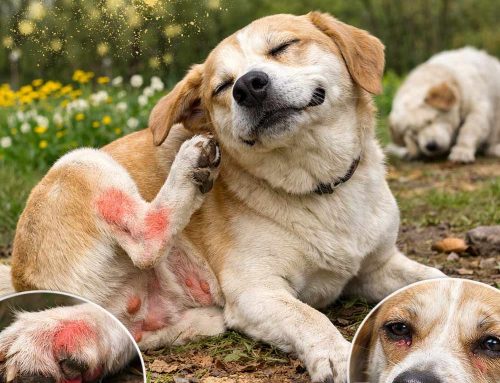
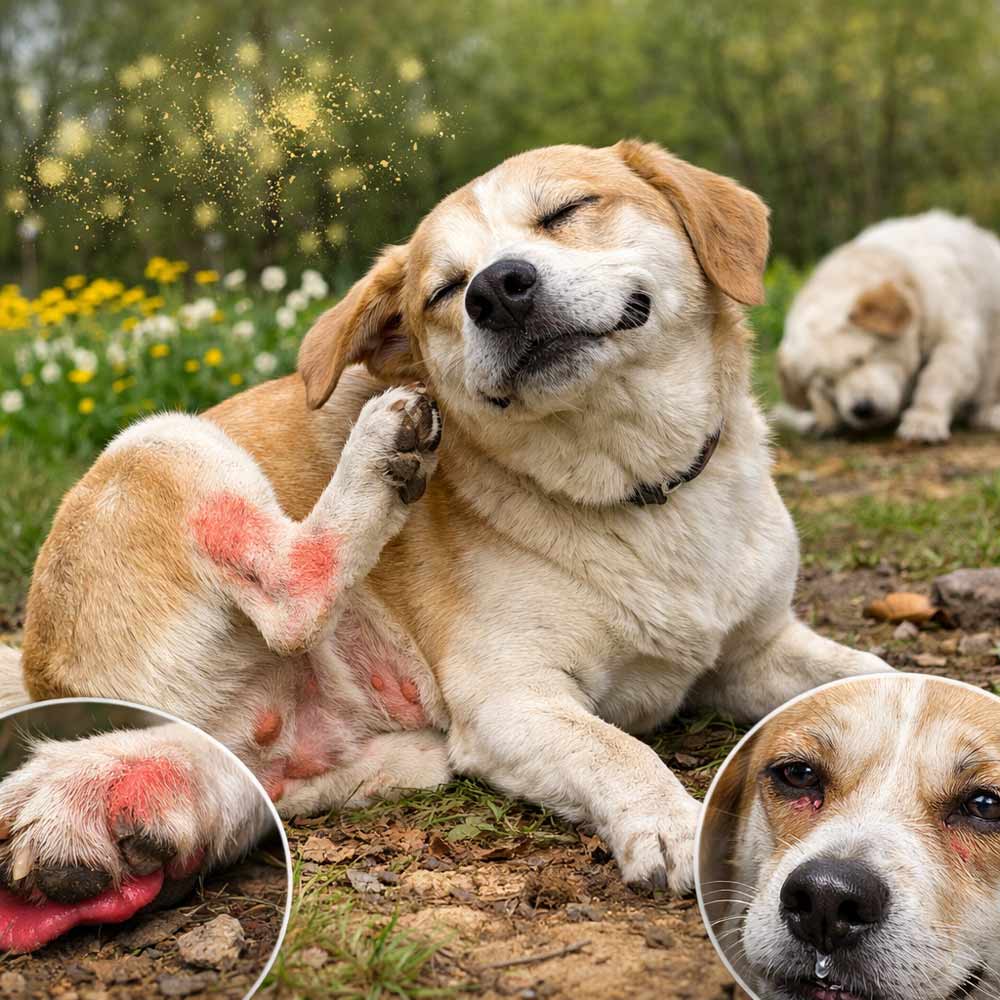
Concerning signs include constant scratching or licking that leads to open wounds or hair loss, chronic ear infections with discharge or odor, persistent digestive issues like vomiting or diarrhea, difficulty breathing, facial swelling, or behavioral changes due to discomfort. Red, inflamed skin, hot spots, or areas where your dog has scratched until bleeding occurs are also signs that require intervention.
Pay particular attention to symptoms that worsen over time, occur in patterns related to specific activities or seasons, or significantly impact your dog’s quality of life. Environmental factors can also affect your dog’s overall comfort and stress levels, as discussed in our article about Understanding the Effects of Weather on Dog Behavior.
What You Can Try at Home
Several home management strategies can help reduce your dog’s exposure to allergens and provide symptom relief. Start by maintaining a clean living environment through regular vacuuming, washing your dog’s bedding weekly in hot water, and using air purifiers with HEPA filters to reduce airborne allergens.
For environmental allergies, wipe your dog’s paws and coat with a damp cloth after outdoor activities to remove pollen and other allergens. Consider limiting outdoor time during high pollen count days, and keep windows closed during peak allergy seasons. Regular bathing with hypoallergenic, fragrance-free shampoos can help remove allergens from your dog’s coat and soothe irritated skin.
Dietary management involves keeping a detailed food diary to identify potential triggers. If you suspect food allergies, work with your veterinarian to implement an elimination diet using novel proteins or hydrolyzed protein foods. Avoid giving table scraps or treats with multiple ingredients that could mask allergen identification.
Supplement your dog’s diet with omega-3 fatty acids, which have anti-inflammatory properties and may help reduce skin irritation. Ensure your dog always has access to fresh, clean water, as proper hydration supports healthy skin and immune function.
Stress management can also help, as anxiety can worsen allergy symptoms. If your dog shows signs of stress-related behaviors alongside allergies, our guide on How to Manage Dog Separation Anxiety offers helpful strategies that may reduce overall stress levels.
When to Call Your Vet
Schedule a veterinary appointment if your dog’s allergy symptoms persist despite home management efforts, worsen over time, or significantly impact their quality of life. Immediate veterinary attention is necessary for severe reactions including difficulty breathing, facial swelling, collapse, or excessive vomiting and diarrhea.
Contact your veterinarian if you notice secondary infections developing from excessive scratching, such as bacterial skin infections, persistent ear infections, or open wounds that won’t heal. Dogs who stop eating, become lethargic, or show signs of pain also need professional evaluation.
Chronic symptoms lasting more than two weeks, recurring seasonal patterns that interfere with normal activities, or unsuccessful home treatment attempts are all valid reasons to seek veterinary care. Your veterinarian can perform allergy testing, prescribe appropriate medications, and develop a comprehensive management plan tailored to your dog’s specific needs.
Be prepared to discuss your dog’s symptoms in detail, including when they started, potential triggers you’ve identified, and what treatments you’ve already tried. This information helps your veterinarian make accurate assessments and recommendations.
FAQ
What are the most common allergy symptoms in dogs?
The most common symptoms include excessive scratching or licking, red or inflamed skin, ear infections, digestive upset, and respiratory issues like sneezing or coughing. You might also notice hair loss, hot spots, or changes in your dog’s behavior due to discomfort.
How can I tell if my dog has allergies?
Look for patterns in your dog’s symptoms, such as seasonal timing or reactions after eating specific foods. Keep a detailed journal of symptoms, potential triggers, and environmental factors. Persistent scratching, skin irritation, or digestive issues that don’t resolve with basic care often indicate allergies.
What home remedies can help with dog allergies?
Regular bathing with hypoallergenic shampoo, wiping paws after outdoor activities, maintaining a clean environment, and using air purifiers can help. Omega-3 fatty acid supplements may reduce inflammation, and elimination diets can help identify food allergens. However, always consult your veterinarian before starting new treatments.
When should I take my dog to the vet for allergies?
Seek veterinary care for persistent symptoms lasting more than two weeks, severe reactions like difficulty breathing or facial swelling, secondary infections from scratching, or symptoms that significantly impact your dog’s quality of life. Professional evaluation ensures proper diagnosis and treatment.
Understanding how to manage dog allergies requires patience, observation, and often professional guidance. By recognizing symptoms early, implementing appropriate home care measures, and knowing when to seek veterinary help, you can significantly improve your dog’s comfort and quality of life. Remember that environmental factors, including exposure to allergens in places like dog parks, can impact your pet’s health, as outlined in our article about The Dangers of Dog Parks: What Every Owner Should Know.
This article is for educational purposes only and is not intended as a substitute for professional veterinary advice, diagnosis, or treatment. Always consult with a qualified veterinarian regarding your dog’s health concerns and before making any changes to their care routine.
Disclaimer: This article is educational and not a substitute for professional veterinary advice.