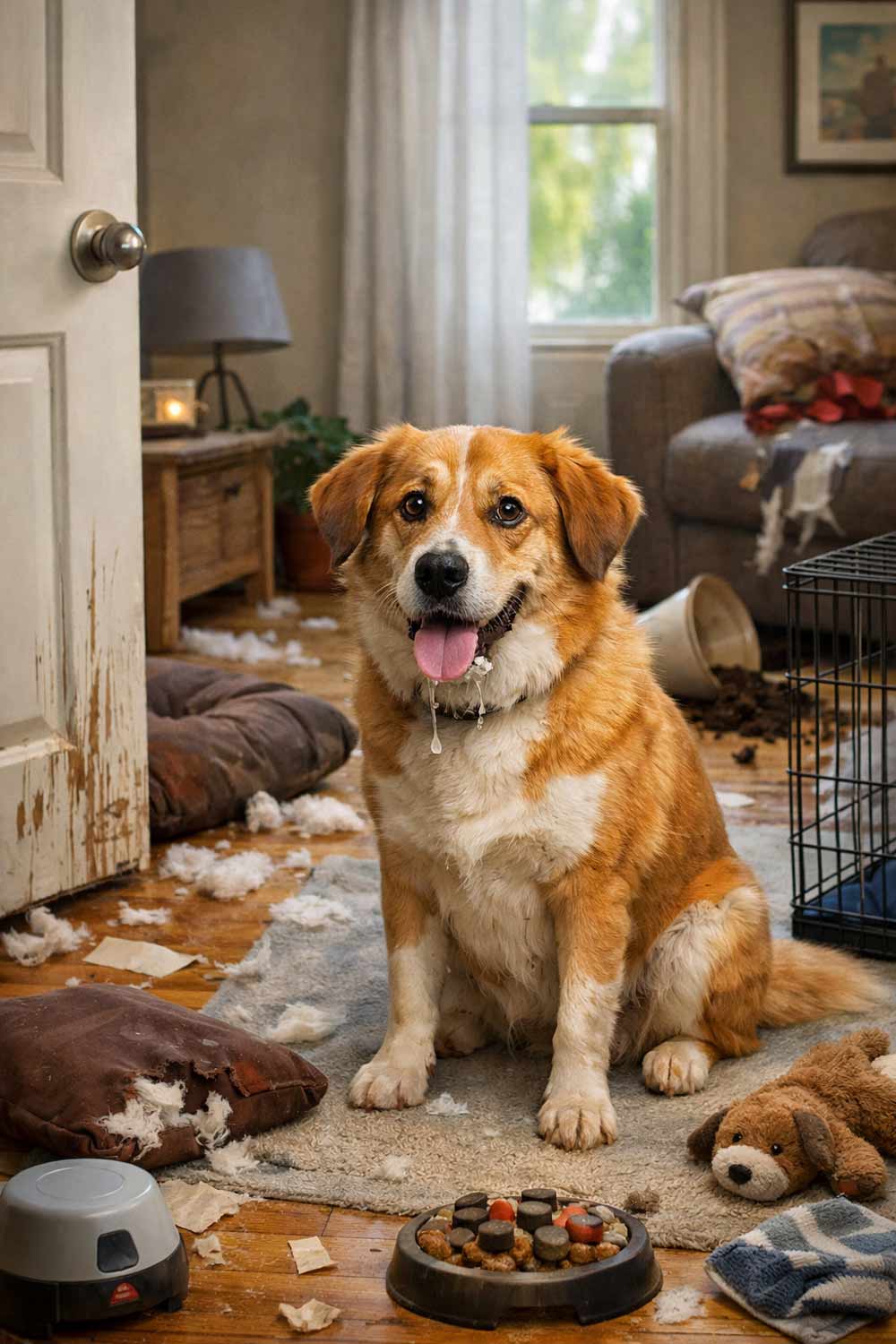
When bad weather strikes or you’re stuck inside for extended periods, keeping your dog mentally and physically stimulated becomes a challenge many pet owners face. Indoor activities for dogs are essential for preventing boredom, reducing destructive behaviors, and maintaining your pup’s overall well-being. The good news is that there are countless creative ways to engage your dog’s mind and body without stepping foot outside.
From simple puzzle games using household items to structured training sessions, indoor dog enrichment doesn’t require expensive equipment or vast amounts of space. The key is understanding your dog’s individual needs and energy levels, then selecting activities that provide both mental stimulation and appropriate physical exercise within your home environment.
What Dog Owners Should Know
Indoor activities serve multiple important purposes beyond simply keeping your dog occupied. Mental stimulation is just as crucial as physical exercise for your dog’s health and happiness. When dogs lack adequate mental engagement, they may develop behavioral issues such as excessive barking, chewing furniture, digging, or other destructive habits.
Different dogs require different types and amounts of stimulation. High-energy breeds like Border Collies or Jack Russell Terriers typically need more intensive mental challenges, while calmer breeds may be satisfied with gentler activities. Age also plays a significant role—puppies have shorter attention spans but high energy, while senior dogs may need modified activities that accommodate any mobility limitations they might have.
The concept of dog enrichment encompasses activities that engage your pet’s natural instincts and behaviors. This includes foraging, problem-solving, scent work, and social interaction. By incorporating these elements into indoor activities, you’re not just entertaining your dog—you’re fulfilling important psychological and physical needs.
Weather conditions, living situations, or health concerns sometimes make outdoor exercise challenging. During extreme temperatures, busy schedules, or when dealing with seasonal risks for dogs, indoor activities become invaluable alternatives that ensure your pet’s needs are consistently met.
What You Can Do at Home
Creating engaging indoor experiences for your dog doesn’t require specialized equipment or extensive preparation. Many effective dog games can be set up using common household items and a bit of creativity.
Food-Based Activities
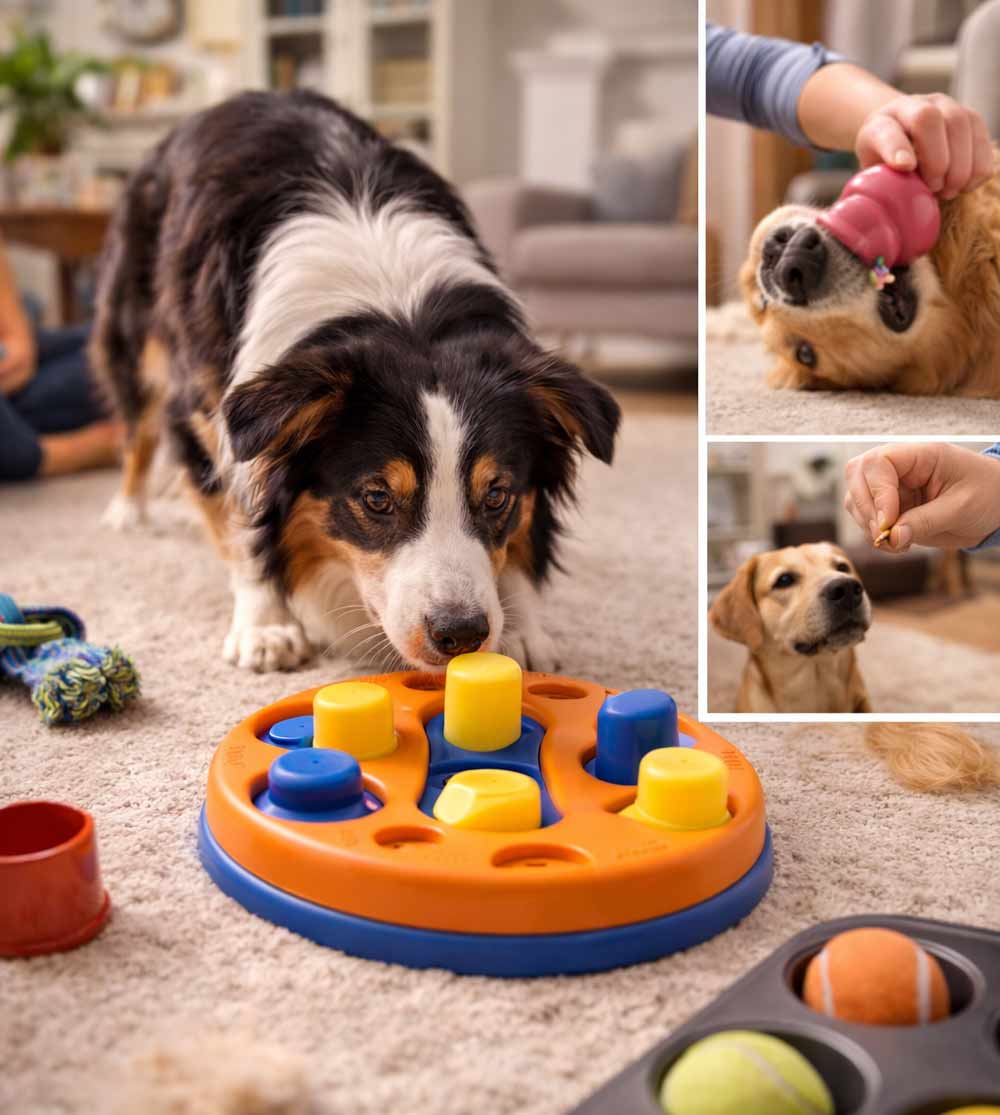
Food puzzles and treat-dispensing activities tap into your dog’s natural foraging instincts. Hide small treats throughout your home, encouraging your dog to use their nose to locate them. Start with easy hiding spots and gradually increase the difficulty. You can also create DIY puzzle feeders using muffin tins with tennis balls covering each cup, or hide treats inside toilet paper rolls with the ends folded shut.
Frozen Kong toys stuffed with your dog’s favorite treats or wet food provide extended entertainment. For variety, try freezing different combinations like peanut butter and banana, plain yogurt with berries, or their regular kibble mixed with a small amount of broth.
Training and Skill Building
Indoor training sessions are excellent for mental stimulation while reinforcing good behavior. Practice basic commands like sit, stay, and come, or teach new tricks such as “shake hands,” “roll over,” or “play dead.” Keep sessions short—typically 5 to 10 minutes—to maintain your dog’s attention and prevent frustration.
Scent work games can be particularly engaging. Start by having your dog sit and stay while you hide a favorite toy or treat in another room, then release them to “find it.” As they improve, make hiding spots more challenging.
Physical Exercise Indoors
While space may be limited, there are ways to help your dog burn energy indoors. Playing fetch in a hallway with soft toys can provide good exercise for smaller to medium-sized dogs. Tug-of-war is another excellent option that doesn’t require much space but provides both physical activity and mental engagement.
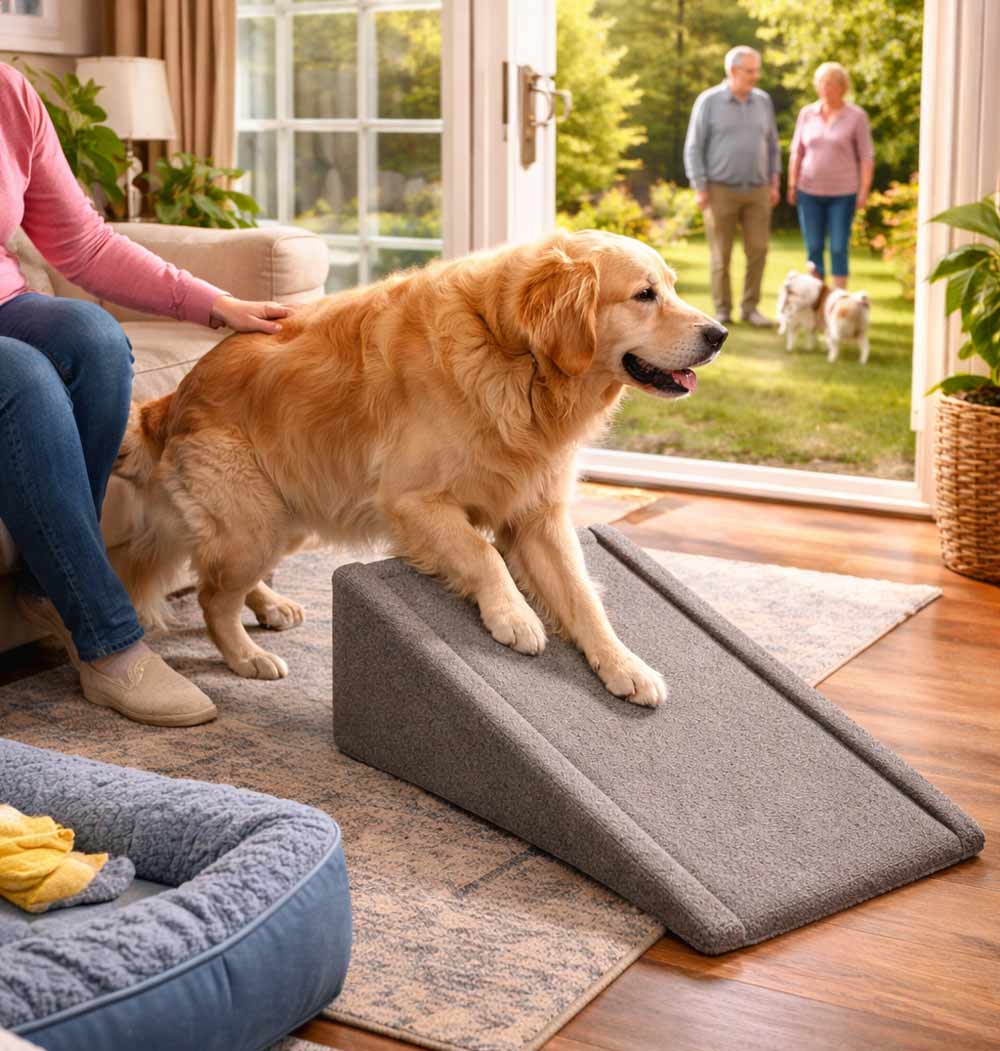
For dogs comfortable with stairs, supervised stair climbing can provide a good workout. Always ensure your dog’s safety and avoid this activity if your pet has any joint issues or mobility concerns, similar to considerations discussed in guides about senior dog mobility.
Interactive Games
The “cup game” involves placing a treat under one of three cups, shuffling them, and letting your dog figure out which cup hides the reward. This classic game develops problem-solving skills and provides mental stimulation.
Create obstacle courses using household items like chairs, pillows, and boxes. Guide your dog through the course, rewarding them for successfully navigating each obstacle. This activity combines physical movement with mental challenges.
Sensory Enrichment
Rotate your dog’s toys regularly to maintain novelty and interest. Introduce different textures, sounds, and scents through safe, dog-appropriate items. Some dogs enjoy the crinkle sound of empty plastic bottles (with caps and labels removed), while others prefer squeaky toys or rope toys.
During extreme weather conditions when outdoor activities aren’t safe, such as situations discussed in preventing heatstroke in dogs, these indoor alternatives become essential for maintaining your pet’s routine and well-being.
When to Call Your Vet
While indoor activities are generally safe and beneficial, there are certain situations where you should consult your veterinarian. If your dog shows signs of excessive restlessness, destructive behavior, or anxiety despite regular indoor enrichment activities, these could indicate underlying issues that require professional evaluation.
Contact your veterinarian if you notice sudden changes in your dog’s energy levels, appetite, or interest in activities they previously enjoyed. These changes could signal health problems that affect their ability to engage in normal play and exercise.
Dogs who become obsessive about certain activities or show signs of stress during indoor games may benefit from behavioral consultation. Signs of stress include excessive panting, drooling, trembling, or attempting to escape from the activity area.
If your dog consistently seems unsatisfied with indoor activities and exhibits persistent problematic behaviors like excessive barking, chewing, or pacing, discuss these concerns with your veterinarian. They can help determine if there are underlying health issues or recommend behavioral specialists if needed.
Senior dogs or those with known health conditions may require modified activities. Always consult your veterinarian about appropriate exercise levels and activity restrictions for dogs with joint problems, heart conditions, or other health concerns.
FAQ
What are some easy indoor games for dogs?
Simple indoor games include hide and seek with treats, the cup game using three cups and a treat, indoor fetch with soft toys, and basic training sessions with commands like sit and stay. Food puzzle games using muffin tins or toilet paper rolls stuffed with treats are also easy to set up and provide mental stimulation.
How can I tell if my dog is bored?
Signs of boredom in dogs include excessive barking, destructive chewing, digging, pacing, restlessness, attention-seeking behaviors, and sleeping more than usual. Some dogs may also exhibit repetitive behaviors like tail chasing or become withdrawn and less responsive to interaction.
What are the benefits of indoor activities for dogs?
Indoor activities provide mental stimulation, help prevent behavioral problems, maintain physical fitness, strengthen the bond between dog and owner, and ensure consistent exercise regardless of weather conditions. They also help dogs develop problem-solving skills and can reduce anxiety and stress.
How much exercise does my dog need indoors?
Exercise needs vary by breed, age, size, and individual energy levels. Generally, dogs need at least 30 minutes to 2 hours of activity daily, which can be divided between physical exercise and mental stimulation. Indoor activities should complement, not completely replace, outdoor exercise when possible. Consult your veterinarian for specific recommendations based on your dog’s individual needs.
Remember to always supervise your dog during activities and ensure any materials used are safe and appropriate for your pet’s size and chewing habits. Just as you would be cautious about food safety concerns, maintaining awareness of potential hazards during play is essential for your dog’s well-being.
This article is for educational purposes only and is not intended to replace professional veterinary advice, diagnosis, or treatment. Always consult with your veterinarian regarding your pet’s health and before making significant changes to their exercise routine or introducing new activities.
Disclaimer: This article is educational and not a substitute for professional veterinary advice.