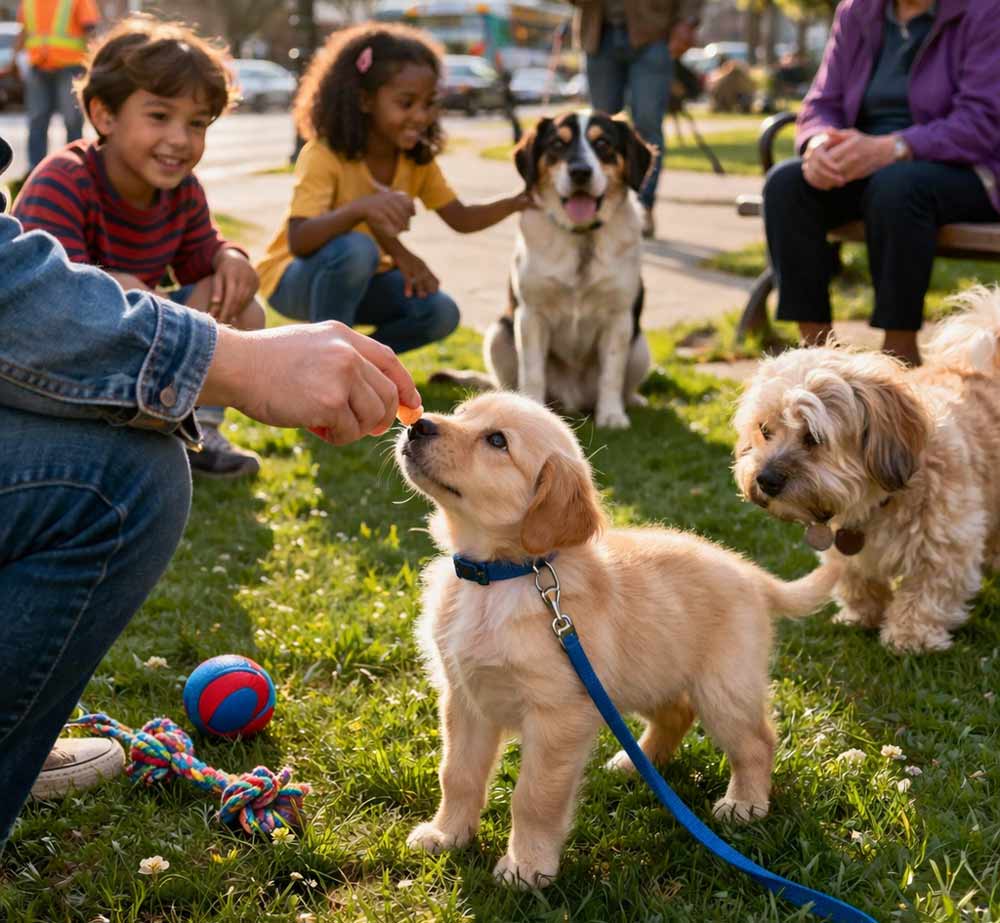
Playing games with your dog is one of the most rewarding ways to strengthen your bond while providing essential mental and physical stimulation. Dog games offer much more than simple entertainment—they serve as vital tools for dog enrichment that can improve your pet’s overall well-being, reduce behavioral issues, and keep their minds sharp and engaged.
Interactive play helps satisfy your dog’s natural instincts, provides exercise, and creates positive experiences that enhance your relationship. Whether you have a high-energy puppy or a more mature companion, incorporating regular games into your routine can make a significant difference in your dog’s happiness and health.
What Dog Owners Should Know
Understanding the importance of dog enrichment through play is crucial for responsible pet ownership. Dogs are naturally curious and intelligent animals that require mental stimulation to prevent boredom, anxiety, and destructive behaviors. Regular interactive play sessions can help address common issues like excessive barking, chewing, or digging.
Different breeds have varying energy levels and play preferences. High-energy breeds may require more intensive dog activities, while others might prefer gentler, puzzle-based games. Choosing the Right Dog Breed for Your Family can help you better understand your pet’s specific needs and energy requirements.
Games also provide excellent opportunities for training reinforcement. Many dog games naturally incorporate commands like “sit,” “stay,” “come,” and “drop it,” making playtime both fun and educational. This dual benefit helps reinforce good behavior while keeping your dog mentally engaged.
Age considerations are important when selecting appropriate games. Puppies may need shorter, more frequent play sessions, while senior dogs might benefit from gentler activities that accommodate any mobility limitations. Senior Dog Mobility: Tips for Helping Your Aging Pet offers valuable guidance for adapting activities to older dogs’ needs.
What You Can Do at Home
Creating engaging dog games at home doesn’t require expensive equipment or extensive preparation. Simple household items can become excellent tools for interactive play and mental stimulation.
Hide and Seek Games: Start with basic hiding games where you hide treats around the house and encourage your dog to find them. This taps into their natural foraging instincts and provides mental stimulation. You can also hide yourself and call your dog’s name, rewarding them with praise and treats when they find you.
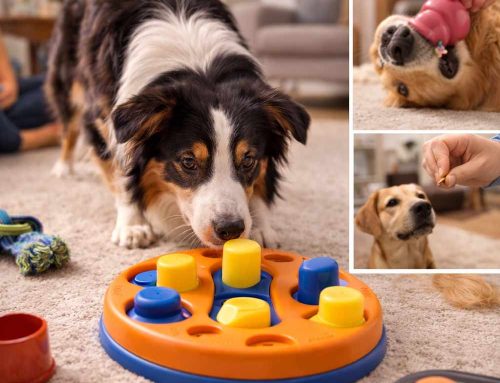
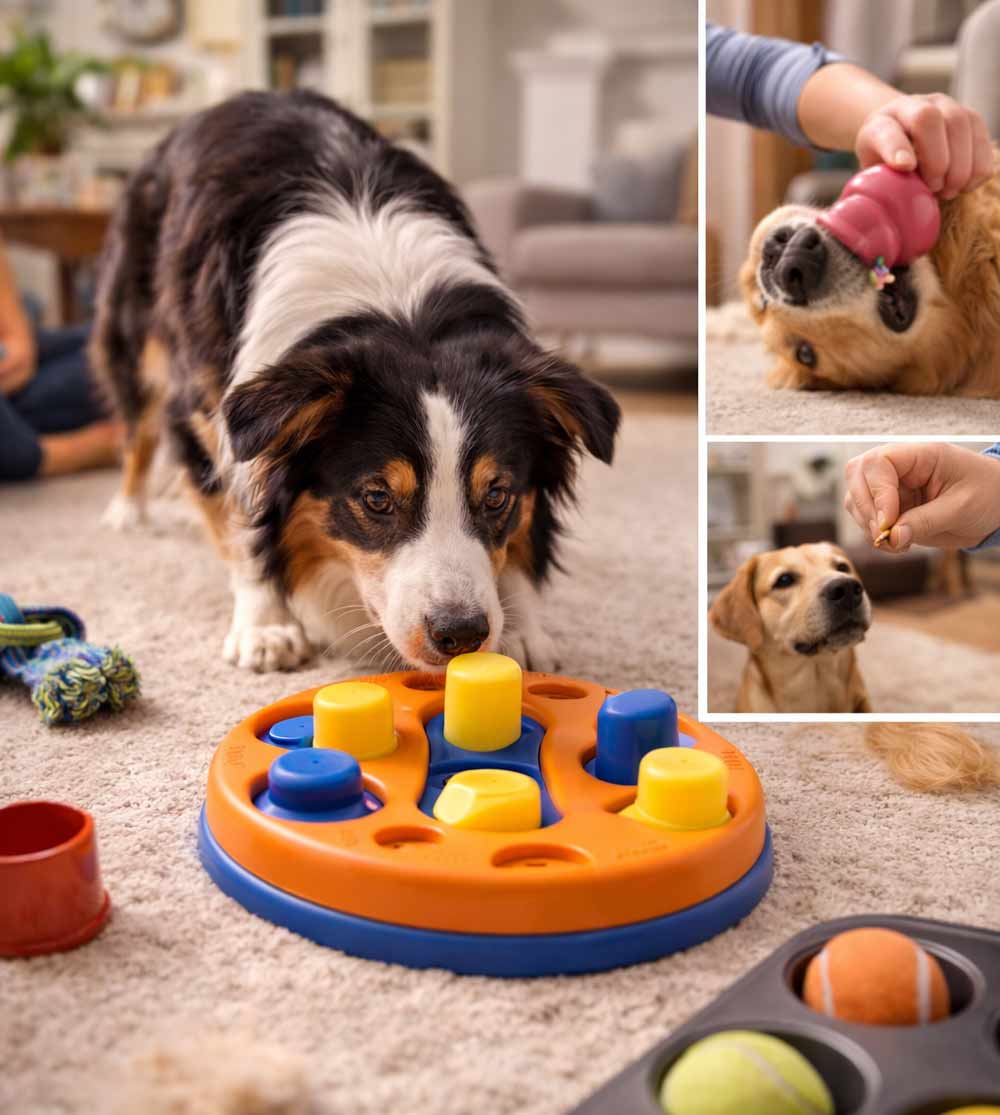
Puzzle Feeding: Transform mealtime into a game by using puzzle feeders or hiding kibble in different locations. You can create DIY puzzle feeders using muffin tins with tennis balls placed over each cup containing treats, encouraging your dog to remove the balls to access their reward.
Tug of War: This classic game helps burn energy and can reinforce training commands. Always use appropriate tug toys and establish rules like “drop it” to maintain control. Let your dog win occasionally to keep them engaged and confident.
Fetch Variations: Beyond basic fetch, try variations like having your dog sit and wait before retrieving, or hiding the ball and asking them to find it. Indoor fetch can work well for apartment dwellers, and The Best Dog Breeds for Apartment Living provides insights into managing exercise needs in smaller spaces.
Training Games: Incorporate commands into play sessions. Practice “shake,” “roll over,” or “play dead” with treats as rewards. These sessions provide mental stimulation while reinforcing good behavior patterns.
Obstacle Courses: Create simple obstacle courses using household items like cushions to jump over, chairs to weave through, or tunnels made from blankets. This provides both physical exercise and mental challenges.
Scent Work: Dogs have incredible noses, so scent-based games are particularly enriching. Hide strong-smelling treats or toys and encourage your dog to use their nose to locate them. Start easy and gradually increase difficulty.
Interactive Toy Games: Invest in toys that dispense treats when manipulated correctly. These toys keep dogs occupied and mentally engaged, especially useful during times when direct interaction isn’t possible.
When to Call Your Vet
While dog games are generally safe and beneficial, certain situations warrant veterinary attention. Monitor your dog during play sessions and watch for signs that might indicate underlying health issues or injury.
Contact your veterinarian if you notice excessive panting that doesn’t resolve quickly after play, limping, or reluctance to put weight on a limb. These could indicate injuries that occurred during play or underlying joint issues that need professional evaluation.
Sudden changes in your dog’s play behavior, such as loss of interest in previously enjoyed activities, could signal health problems or pain. Similarly, if your dog becomes unusually aggressive during play or shows signs of resource guarding, professional guidance may be needed.
Respiratory distress during or after play, especially in flat-faced breeds, should be taken seriously. If your dog struggles to breathe normally, has blue-tinged gums, or collapses during play, seek immediate veterinary care.
Dogs that seem disoriented, confused, or show signs of neurological issues during play should be evaluated promptly. Additionally, if your dog ingests toys or objects during play, contact your veterinarian for guidance on whether intervention is necessary.
For senior dogs, any dramatic changes in mobility or willingness to participate in gentle activities might indicate progression of age-related conditions that need veterinary assessment and management.
FAQ
What are some simple games I can play with my dog?
Simple games include hide and seek with treats, basic fetch, tug of war with appropriate toys, and “find the treat” games where you hide rewards around your home. These activities require minimal equipment but provide excellent mental and physical stimulation.
How often should I engage my dog in play?
Most dogs benefit from multiple short play sessions throughout the day rather than one long session. Aim for 15-30 minute sessions several times daily, adjusting based on your dog’s age, breed, and energy level. Puppies and high-energy breeds typically need more frequent play.
What signs indicate my dog is not enjoying the game?
Signs your dog isn’t enjoying play include avoiding eye contact, moving away from you, excessive panting, drooling, tail tucking, or showing stress signals like yawning or lip licking in non-tired contexts. A dog that lies down and refuses to participate is also indicating they’re not interested.
Can playing games help with my dog’s behavior issues?
Yes, regular interactive play can significantly help with behavioral issues by providing mental stimulation, reducing boredom-related destructive behaviors, and strengthening your bond. However, serious behavioral problems may require professional training assistance alongside enrichment activities. Essential Tips for Crate Training Your Dog can complement game-based training approaches.
Disclaimer: This article is for educational purposes only and is not intended as a substitute for professional veterinary advice, diagnosis, or treatment. Always consult with a qualified veterinarian regarding your dog’s health, behavior, and specific needs. If you have concerns about your dog’s health or behavior during play, seek professional veterinary guidance.
Disclaimer: This article is educational and not a substitute for professional veterinary advice.
Owner Action Checklist
When managing concerns related to dog games, use a calm, step-by-step approach. Practical monitoring and timely veterinary communication are usually more useful than waiting for signs to become severe.
- Check dog games regularly and track any meaningful changes over time.
- Check dog enrichment regularly and track any meaningful changes over time.
- Check interactive play regularly and track any meaningful changes over time.
- Check dog activities regularly and track any meaningful changes over time.
How to Reduce Risk Going Forward
Prevention starts with consistency. Build routines that lower exposure to common triggers linked to dog games, and review your dog’s daily environment for avoidable hazards. Small routine upgrades can meaningfully reduce future risk.
If your dog has repeated episodes, ask your veterinarian about a personalized prevention plan, including diet, activity adjustments, home-environment changes, and follow-up timing.
Related concerns owners often research include dog enrichment, interactive play, dog activities. Addressing these questions early helps prevent complications and confusion.
For dog games, keep your response practical and consistent. Focus on what changed recently, what symptoms appeared first, and whether your dog is improving or getting worse. Reliable observations are often more useful than guessing the exact cause.