Bringing home a new puppy is one of life’s most exciting experiences, but it can also feel overwhelming for first-time dog owners. Proper puppy care involves establishing daily routines, monitoring your puppy’s health and behavior, providing consistent training, and knowing when professional veterinary care is needed. Success comes from understanding your puppy’s unique needs during this critical developmental period.
The first few months with your puppy set the foundation for their entire life. By focusing on essential care areas like nutrition, socialization, basic training, and preventive healthcare, you’ll help your puppy grow into a healthy, well-adjusted adult dog while building a strong bond that lasts a lifetime.
What Dog Owners Should Know
Puppies have different needs than adult dogs, requiring more frequent feeding, consistent sleep schedules, and extensive socialization during their critical developmental window. Most puppies need to eat three to four times daily until they’re about six months old, as their small stomachs can’t hold enough food for fewer meals.
Sleep is equally important – puppies typically sleep 18 to 20 hours per day during their first few months. This extensive rest supports their rapid physical and mental development. Don’t worry if your puppy seems to nap constantly; this is completely normal and necessary.
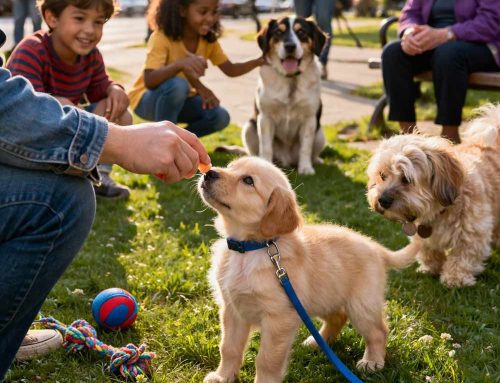
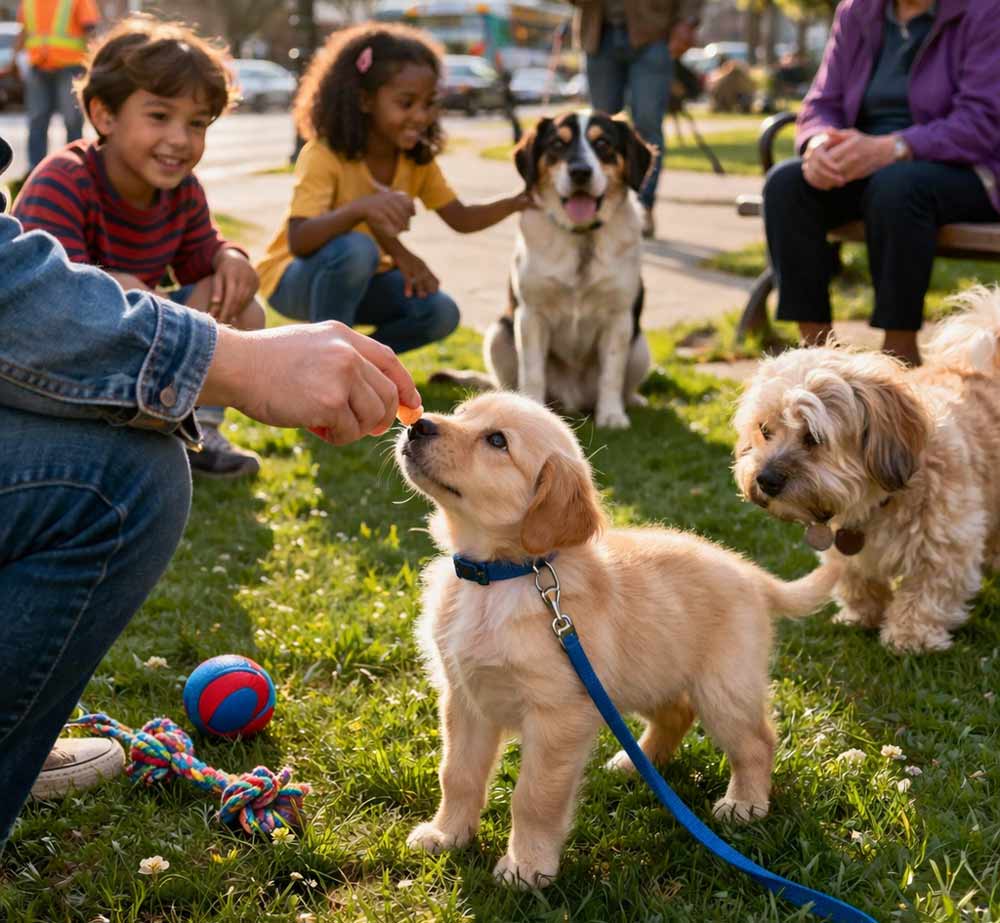
Socialization represents one of the most crucial aspects of early puppy care. Between 3 and 14 weeks of age, puppies go through a critical socialization period where positive experiences with people, animals, sounds, and environments shape their future behavior. The Ultimate Guide to Puppy Socialization provides comprehensive strategies for safely exposing your puppy to new experiences during this important window.
Understanding normal puppy behavior helps new owners respond appropriately. Puppies explore the world through their mouths, so expect some chewing and mouthing. They also have limited bladder control and will need frequent potty breaks – typically every one to two hours when awake.
Daily Care Tips
Establishing consistent daily routines helps your puppy feel secure and makes training more effective. Start each day with a potty break immediately after your puppy wakes up, followed by breakfast at the same time each morning.
Feeding schedules should remain consistent, with meals offered at the same times daily. Choose a high-quality puppy food appropriate for your dog’s expected adult size, and measure portions according to the manufacturer’s guidelines and your veterinarian’s recommendations. Always provide fresh water throughout the day.
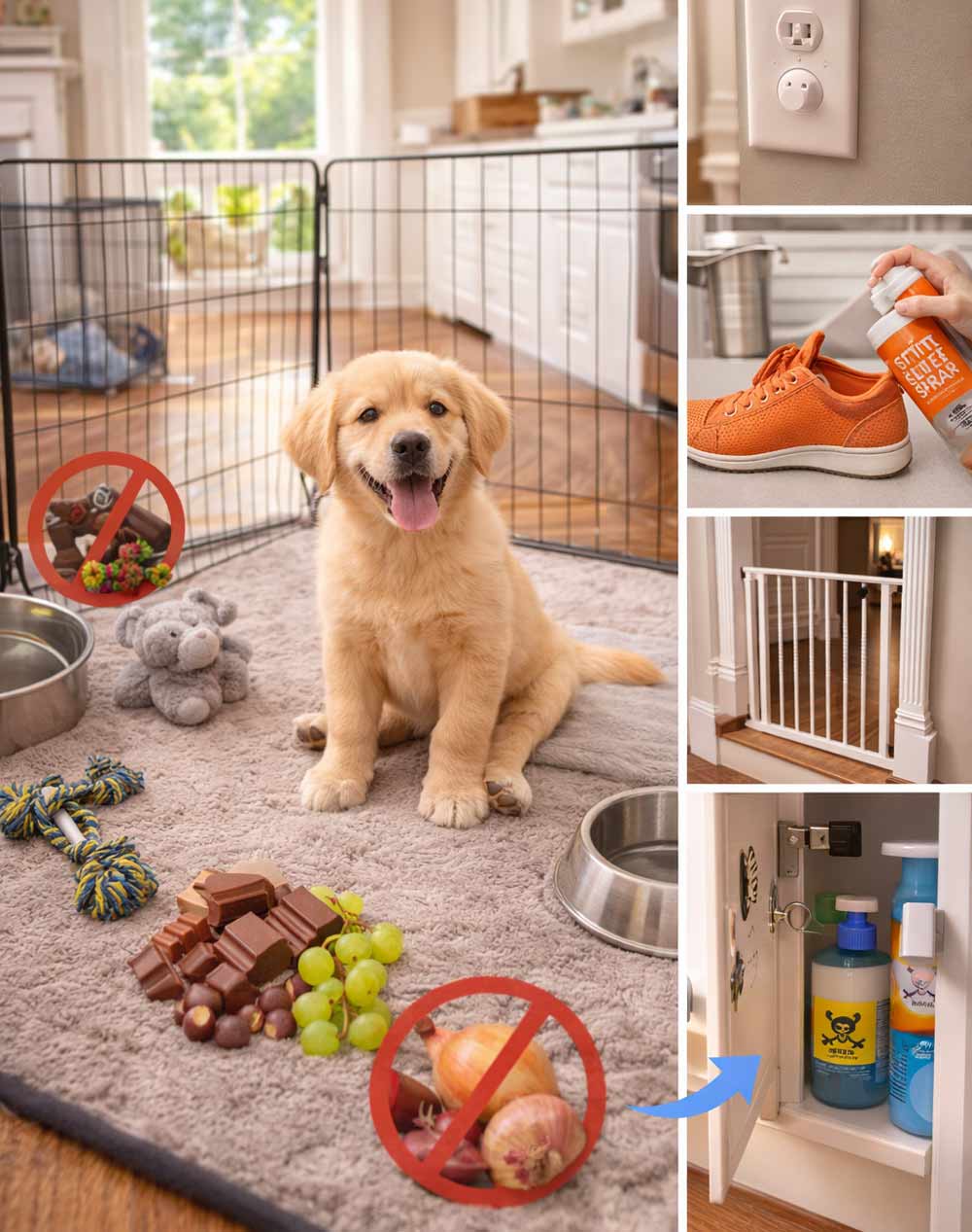
Create a safe environment by puppy-proofing your home before your new companion arrives. How to Create a Safe Puppy Environment at Home offers detailed guidance on identifying and addressing potential hazards that could harm curious puppies.
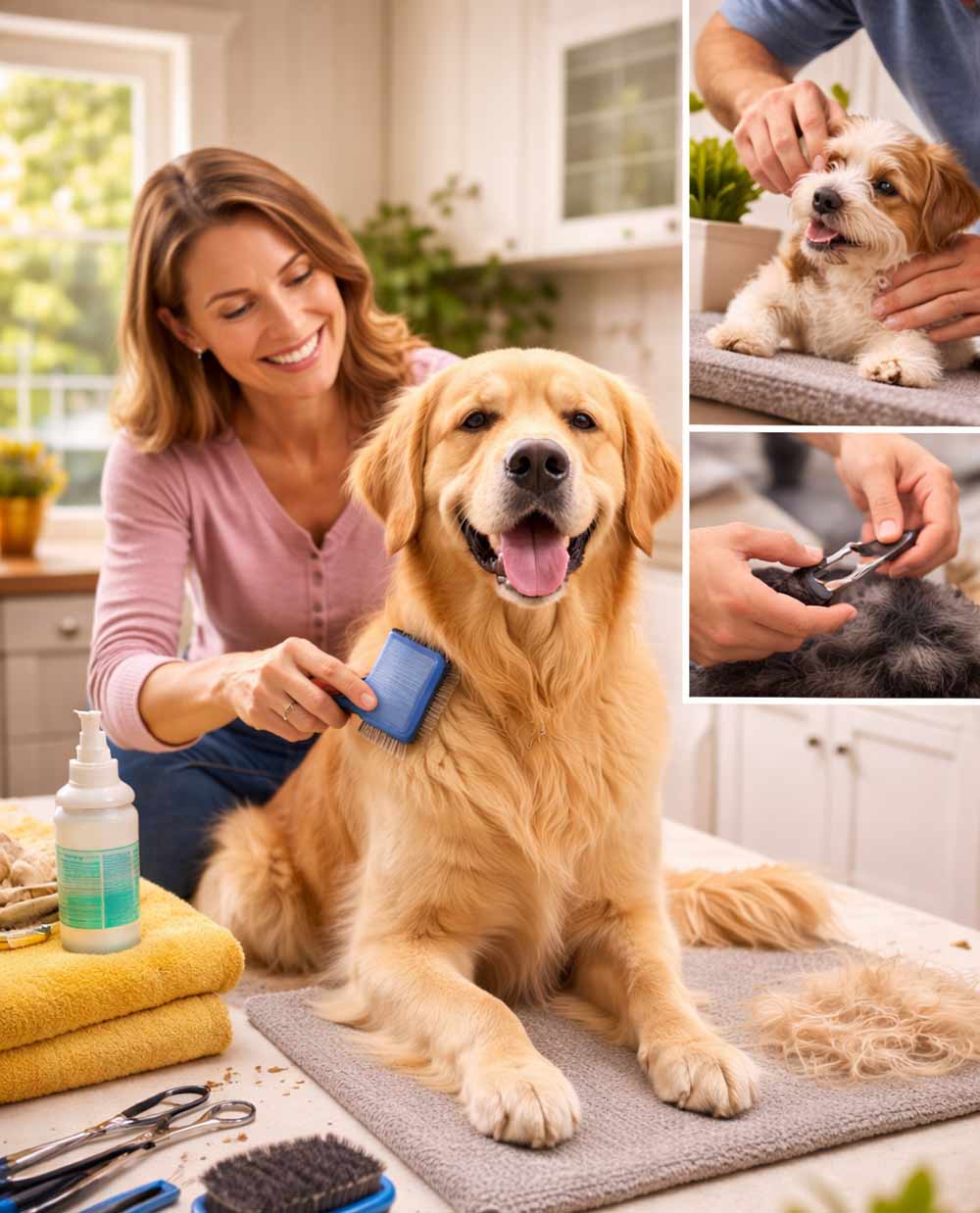
Grooming should begin early, even if your puppy doesn’t need extensive coat care yet. Handle their paws, ears, and mouth gently during calm moments to prepare them for future grooming and veterinary examinations. Basic brushing, nail trimming, and teeth cleaning become much easier when puppies are accustomed to being handled.
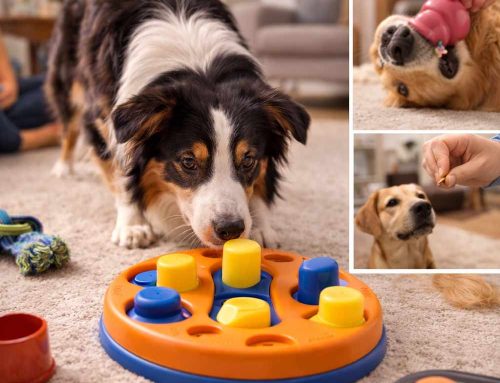
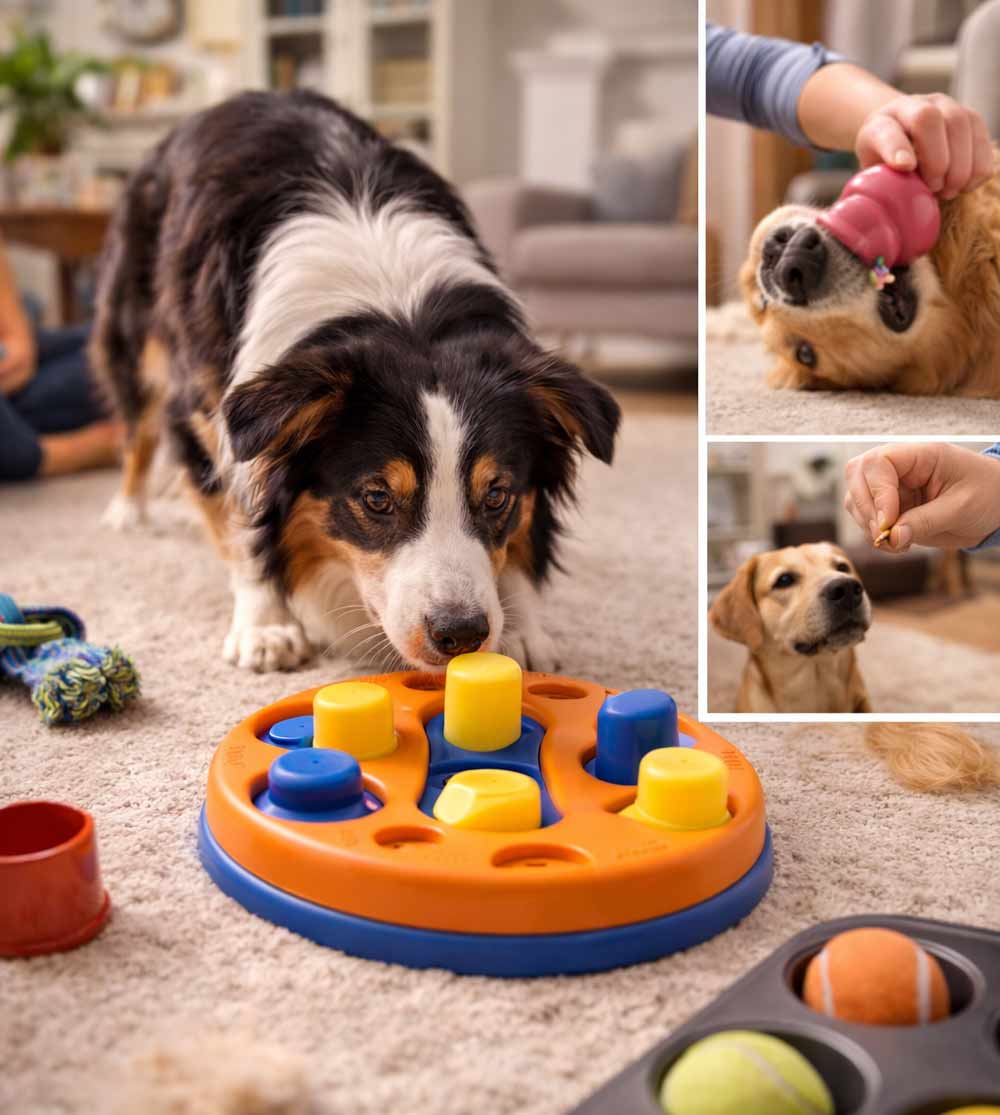
Exercise needs vary by breed and age, but most young puppies need several short play sessions rather than long walks. A good rule of thumb is five minutes of exercise per month of age, twice daily. Mental stimulation through puzzle toys and training sessions can be just as tiring as physical exercise.
Establish a bedtime routine that includes a final potty break and settling your puppy in their designated sleeping area. Consistency helps puppies learn when it’s time to rest and reduces nighttime anxiety.
Common Issues to Watch For
New puppy owners should monitor their pets for signs that may indicate health or behavioral concerns. Digestive upset, including loose stools or vomiting, can occur when puppies eat inappropriate items, experience stress, or have dietary sensitivities. While occasional mild digestive issues may resolve on their own, persistent symptoms warrant veterinary attention.
Changes in appetite or energy levels can signal various issues. Puppies who suddenly refuse food, seem lethargic, or show dramatic changes in behavior may be experiencing discomfort or illness. Similarly, excessive scratching, frequent head shaking, or unusual odors might indicate skin or ear problems.
Behavioral challenges like excessive crying, destructive chewing, or difficulty with housetraining are common but shouldn’t be ignored. These issues often stem from anxiety, boredom, or inconsistent routines rather than defiance. Address behavioral concerns early with positive training methods and environmental modifications.
Respiratory symptoms such as persistent coughing, difficulty breathing, or unusual breathing sounds require prompt attention, especially in young puppies whose immune systems are still developing. Similarly, any signs of pain, including limping, reluctance to move, or sensitivity when touched, should be evaluated by a veterinarian.
Monitor your puppy’s elimination habits, as changes in frequency, consistency, or difficulty urinating or defecating can indicate various health issues. Keeping track of these patterns helps you notice changes quickly and provide useful information to your veterinarian if needed.
When to Call Your Vet
Several situations require immediate veterinary attention for puppies. Contact your veterinarian right away if your puppy shows signs of severe distress, including persistent vomiting, diarrhea lasting more than 24 hours, difficulty breathing, or extreme lethargy.
Any suspected ingestion of toxic substances, foreign objects, or inappropriate foods warrants immediate professional consultation. Common household items like chocolate, grapes, medications, and small toys can pose serious risks to curious puppies.
High fever, indicated by a rectal temperature above 102.5°F (39.2°C), requires prompt veterinary care. Other emergency signs include pale or blue gums, excessive drooling, seizures, or collapse. During hot weather, watch for signs of overheating and familiarize yourself with Preventing Heatstroke in Dogs: Essential Tips for Hot Weather.
Schedule routine veterinary visits even when your puppy seems healthy. Most puppies need examinations every 3-4 weeks until they’re about 16 weeks old to monitor growth, receive vaccinations, and discuss preventive care. Don’t wait for problems to arise – preventive care is far more effective and less costly than treating advanced conditions.
Trust your instincts as a pet owner. If something seems “off” about your puppy’s behavior, eating habits, or general demeanor, it’s better to consult your veterinarian than to wait and see if the issue resolves on its own.
FAQ
What should I feed my puppy?
Feed your puppy a high-quality commercial puppy food appropriate for their expected adult size. Large breed puppies need specially formulated food to support proper growth rates. Follow feeding guidelines on the package and adjust portions based on your veterinarian’s recommendations and your puppy’s body condition.
How often should I take my puppy to the vet?
Puppies typically need veterinary visits every 3-4 weeks from 6-8 weeks of age until about 16 weeks old. These visits include vaccinations, health examinations, and discussions about spaying/neutering, parasite prevention, and ongoing care. After completing the initial puppy series, most dogs need annual wellness examinations.
What vaccinations does my puppy need?
Core vaccines for puppies typically include distemper, hepatitis, parvovirus, parainfluenza, and rabies. Your veterinarian will create a vaccination schedule based on your puppy’s age, health status, and local disease risks. Some puppies may also need additional vaccines based on their lifestyle and geographic location.
How can I train my puppy effectively?
Use positive reinforcement methods, focusing on rewarding good behavior rather than punishing mistakes. Keep training sessions short (5-10 minutes) and frequent throughout the day. Start with basic commands like sit, stay, and come, while simultaneously working on housetraining. Consistency from all family members is essential for success.
What are the signs of a healthy puppy?
Healthy puppies are typically alert and playful when awake, have good appetites, clear eyes and noses, clean ears, and regular bowel movements. Their gums should be pink, and they should move without difficulty. Regular grooming helps you notice any changes in your puppy’s condition. Essential Grooming Tips for Every Dog Owner provides guidance on maintaining your puppy’s health through proper grooming practices.
Disclaimer: This article is for educational purposes only and is not intended to replace professional veterinary advice, diagnosis, or treatment. Always consult with a qualified veterinarian regarding your puppy’s health and care needs. If you suspect your puppy is experiencing a medical emergency, contact your veterinarian or emergency animal hospital immediately.
Disclaimer: This article is educational and not a substitute for professional veterinary advice.