Crate training is one of the most valuable skills you can teach your dog, creating a safe, comfortable space they view as their personal den. When done correctly, crate training helps with housebreaking, prevents destructive behavior, and provides your dog with a secure retreat. The key to successful crate training lies in patience, consistency, and making the crate a positive experience rather than a form of punishment.
Most dogs can learn to love their crate within a few weeks to a few months, depending on their age, temperament, and previous experiences. The process involves gradual introduction, positive associations, and respecting your dog’s comfort level throughout the journey.
Why This Training Matters
Crate training offers numerous benefits for both dogs and their owners. Dogs are naturally den animals, meaning they seek out small, enclosed spaces where they feel safe and secure. A properly introduced crate satisfies this instinct while serving practical purposes for modern pet ownership.
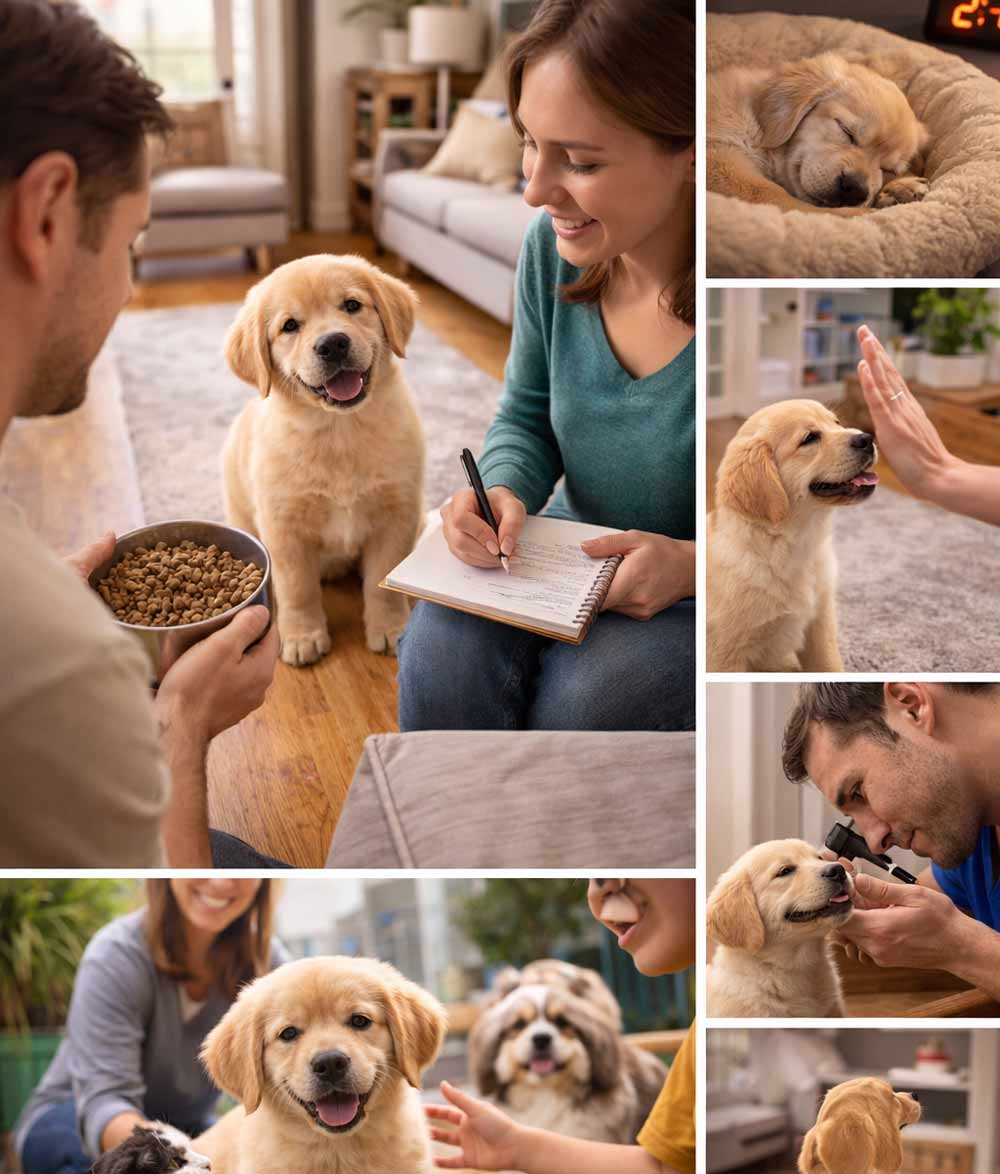
For house training, crates are invaluable tools. Dogs typically avoid soiling their sleeping area, making the crate an effective aid in establishing bathroom routines. This is particularly helpful when following Essential Puppy Care Tips for New Owners, as young dogs need consistent structure to develop good habits.
Crate training also prevents destructive behavior when you’re away from home. Instead of chewing furniture or getting into dangerous items, your dog remains safely contained. This is especially important for those living in smaller spaces, such as apartments where The Best Dog Breeds for Apartment Living may have limited room to roam unsupervised.
Additionally, crates provide a calm retreat during stressful situations like thunderstorms, fireworks, or when guests visit. Many dogs voluntarily enter their crates when they need quiet time, demonstrating how this training creates genuine comfort rather than confinement.
Step-by-Step Training Plan
Begin crate training by choosing the right size crate. Your dog should be able to stand up, turn around, and lie down comfortably, but not so large that they can eliminate in one corner and sleep in another. For growing puppies, consider crates with dividers that adjust as your pet grows.
Place the crate in a family area where your dog can see and hear household activities. Avoid isolating the crate in basements or distant rooms, as this can increase anxiety and make the space feel like punishment.
Start with short, positive interactions. Leave the crate door open and place comfortable bedding, favorite toys, or treats inside. Allow your dog to explore voluntarily without forcing them in. Some dogs immediately investigate, while others need several days to show interest.
Once your dog enters the crate willingly, begin feeding meals inside with the door open. This creates positive associations with the space. Gradually progress to closing the door for a few minutes while they eat, then opening it before they finish.
Extend crate time gradually. Start with five to ten minutes with the door closed while you’re home and nearby. Increase duration slowly, always ensuring your dog remains calm. If they become distressed, reduce the time and progress more slowly.
Practice departure routines by crating your dog for short periods when you leave the house. Start with very brief absences, like checking the mail, before attempting longer outings. This helps your dog understand that crate time doesn’t always mean you’re leaving for extended periods.
Establish a consistent routine around crate use. Many dogs benefit from crate time before meals, during household chores, or as part of bedtime routines. Consistency helps dogs understand expectations and reduces anxiety.
Common Mistakes to Avoid
Never use the crate as punishment. If your dog associates the crate with negative experiences, training becomes significantly more difficult and may create lasting anxiety around the space.
Avoid rushing the process. Some owners expect immediate results and increase crate time too quickly. This often leads to negative associations and can set training back weeks or months.
Don’t respond to crate crying or whining by immediately releasing your dog. This teaches them that vocal protests result in freedom, potentially creating a cycle of increasingly demanding behavior. Instead, wait for quiet moments before opening the door.
Resist the temptation to crate your dog for excessive periods. Adult dogs generally shouldn’t be crated for more than six to eight hours, while puppies need much more frequent breaks. Extended crating can lead to physical discomfort and behavioral problems.
Avoid placing the crate in areas that are too hot, cold, or noisy. Dogs need comfortable environments to rest properly, and poor crate placement can create negative associations with the space.
Don’t skip the gradual introduction process, even with adult dogs. While puppies may adapt more quickly, adult dogs often need time to overcome any previous negative experiences with confinement.
When to Get Professional Help
Consider consulting a professional dog trainer if your dog shows severe anxiety, panic, or destructive behavior in the crate after several weeks of patient training. Some dogs have previous traumatic experiences with confinement that require specialized behavior modification techniques.
Seek help if your dog consistently eliminates in the crate despite proper sizing and reasonable time limits. This could indicate medical issues, severe anxiety, or training approaches that need adjustment.
Professional guidance becomes important when crate training interferes with your dog’s overall well-being or your household harmony. If family members disagree about training methods or if progress stalls completely, a trainer can provide objective assessment and customized solutions.
Dogs with separation anxiety often need specialized approaches that go beyond basic crate training. Professional trainers can help distinguish between normal adjustment periods and anxiety disorders that require intervention.
When to Call Your Vet
Contact your veterinarian if your dog shows signs of extreme distress during crate training, such as excessive drooling, panting, or attempts to escape that result in injury. These symptoms could indicate anxiety disorders that benefit from medical evaluation.
Sudden changes in your dog’s acceptance of the crate, especially if they previously enjoyed it, may signal health problems. Pain or discomfort can make dogs reluctant to enter confined spaces.
If your house-trained dog begins eliminating in the crate, consult your vet to rule out medical causes like urinary tract infections, digestive issues, or other conditions that affect bathroom control.
Seek veterinary advice if your dog shows concerning behaviors during crate training that seem beyond normal adjustment challenges, particularly if these behaviors interfere with eating, sleeping, or other daily activities.
FAQ
How long does it take to crate train a dog?
Most dogs adapt to crate training within two to six weeks with consistent, patient training. Puppies often adjust more quickly, while adult dogs with previous negative experiences may need several months. The timeline depends on your dog’s age, temperament, and training consistency.
Is crate training cruel?
Properly executed crate training is not cruel and aligns with dogs’ natural denning instincts. The key is ensuring the crate is comfortable, appropriately sized, and associated with positive experiences rather than punishment. Many dogs voluntarily seek out their crates for rest and security.
What should I do if my dog cries in the crate?
Initial crying is normal as dogs adjust to the new routine. Avoid immediately releasing your dog, as this reinforces the crying behavior. Instead, wait for quiet moments before opening the door. If crying persists beyond a few weeks or seems extreme, consider slowing the training process or consulting a professional.
Can I use a crate for an adult dog?
Adult dogs can definitely learn to use crates, though they may need more time to adjust than puppies. The same gradual introduction process applies, with extra patience for dogs who may have had previous negative experiences with confinement. Many adult dogs come to love their crates when properly introduced.
What size crate do I need for my dog?
Choose a crate where your dog can stand up, turn around, and lie down comfortably. For puppies, avoid crates that are too large, as they may eliminate in one corner and sleep in another. Consider adjustable crates with dividers for growing puppies, or purchase appropriate sizes as they mature.
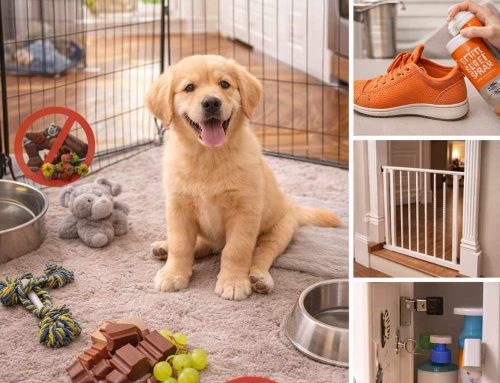
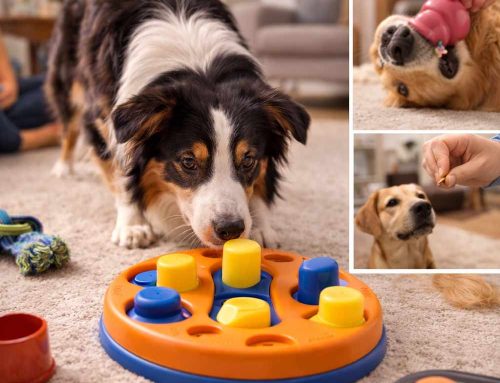
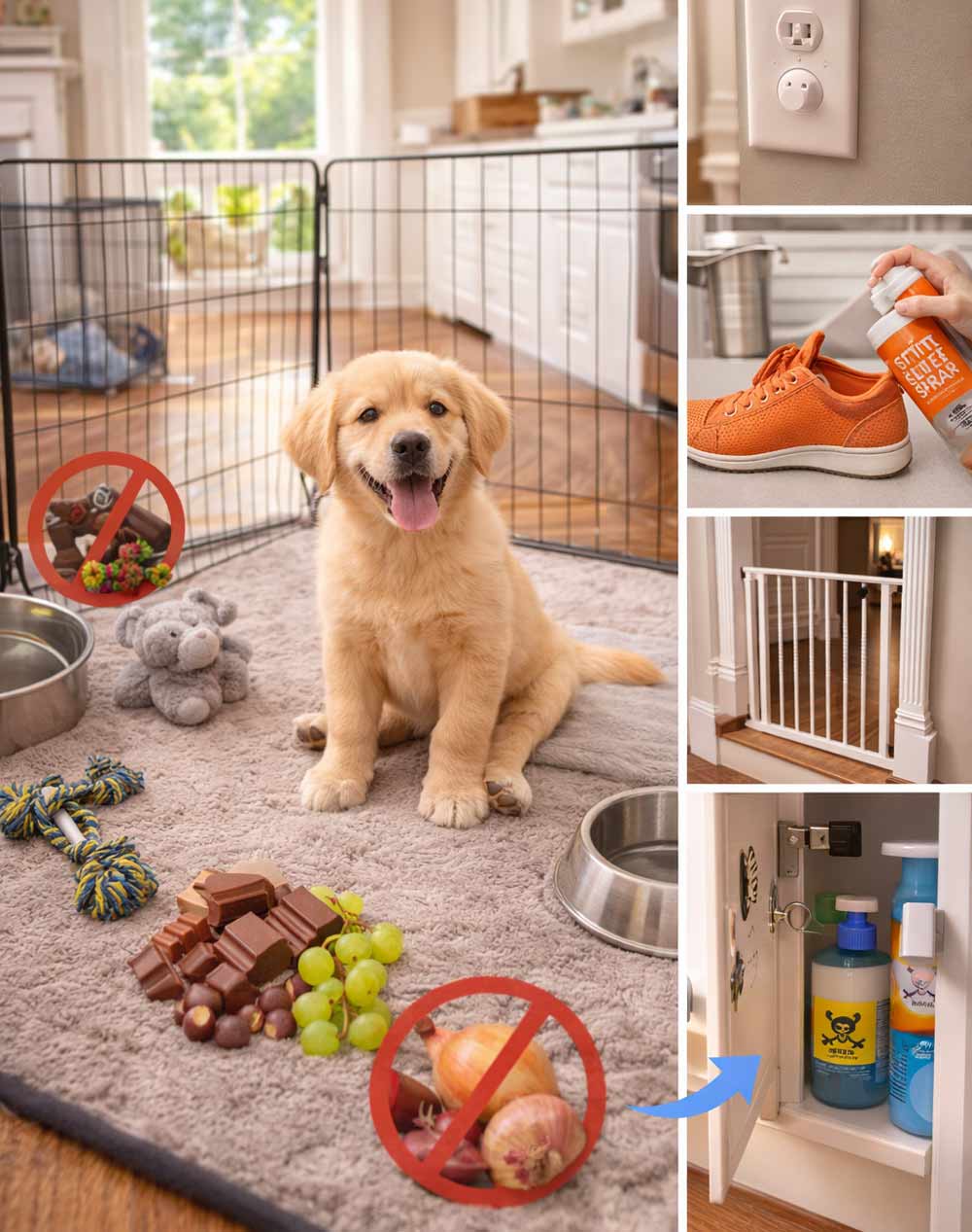
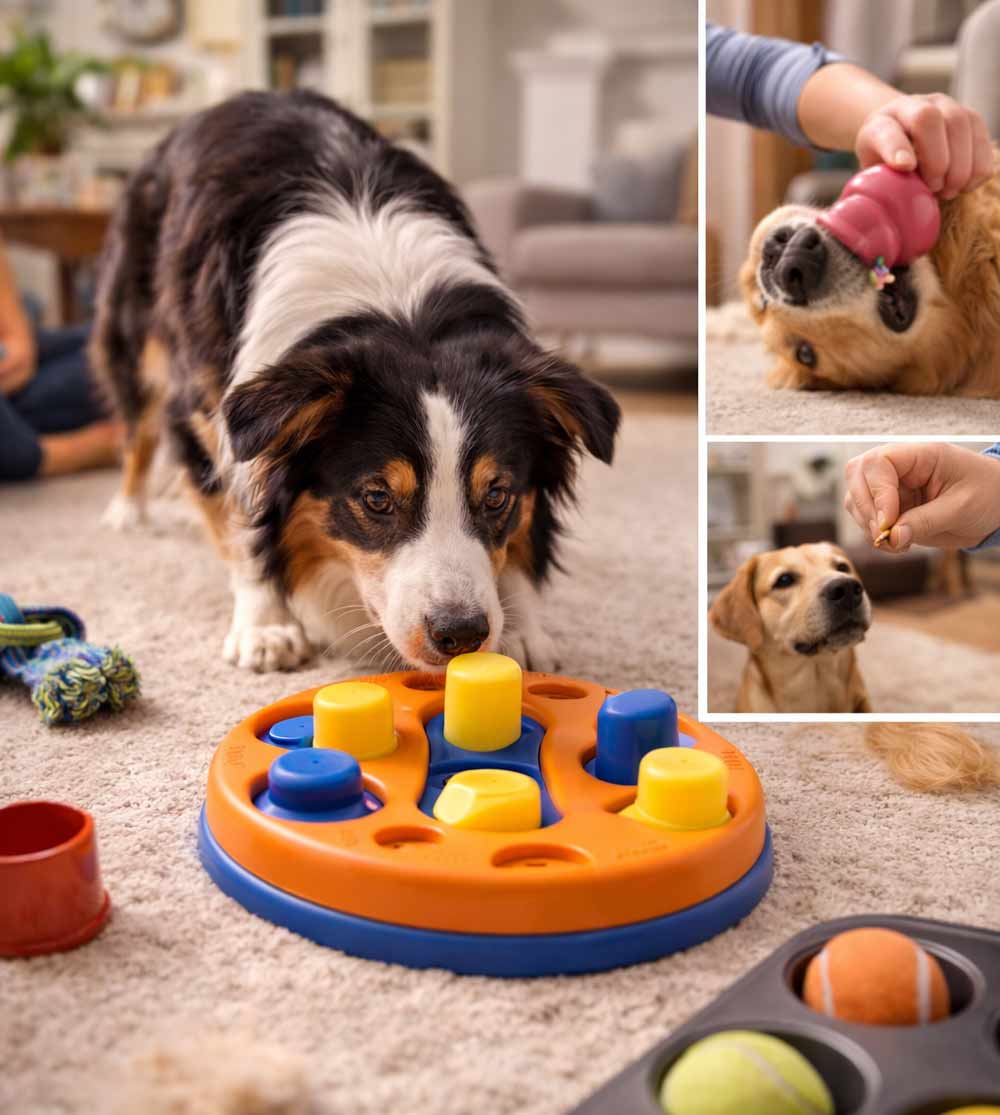
Creating a comprehensive training environment involves more than just the crate itself. Consider implementing strategies from How to Create a Safe Puppy Environment at Home to ensure your entire space supports your dog’s development. When weather or circumstances keep you indoors, Creative Indoor Activities for Dogs: Keeping Your Pup Engaged can help maintain your dog’s mental stimulation even during crate training periods.
Disclaimer: This article provides educational information about crate training techniques and should not replace professional veterinary advice. Every dog is unique, and what works for one may not work for another. If you have concerns about your dog’s behavior, health, or response to training, consult with a qualified veterinarian or certified dog trainer for personalized guidance.
Disclaimer: This article is educational and not a substitute for professional veterinary advice.