Living in an apartment doesn’t mean you have to give up your dream of having a four-legged companion. While not all dogs are suited for small spaces, many apartment dog breeds thrive in cozy environments when their specific needs are met. The best apartment dogs typically share common traits: they’re generally smaller in size, have moderate exercise requirements, adapt well to indoor living, and possess calm temperaments that won’t disturb neighbors.
The ideal apartment dog breeds include French Bulldogs, Cavalier King Charles Spaniels, Pugs, Dachshunds, Shih Tzus, Boston Terriers, and Chihuahuas. These breeds have been bred for companionship and indoor living, making them natural fits for apartment life when properly cared for and trained.
Temperament and Traits
Understanding breed temperament is crucial when selecting an apartment dog. French Bulldogs are known for their calm, affectionate nature and low tendency to bark excessively, making them excellent neighbors. Their laid-back personality means they’re content with indoor activities and moderate exercise.
Cavalier King Charles Spaniels bring a gentle, adaptable temperament to apartment living. These dogs are naturally quiet and eager to please, though they do enjoy social interaction and may experience separation anxiety if left alone for extended periods. Learning how to manage dog separation anxiety can be particularly helpful for Cavalier owners.
Pugs are cheerful, sociable companions that adapt well to their owner’s lifestyle. They’re generally good with children and other pets, though they can be prone to excitement barking. Dachshunds, while small, have big personalities and can be protective of their territory, making early socialization important.
Shih Tzus were literally bred to be companion dogs for Chinese royalty, making them naturally suited for indoor living. They’re typically quiet, friendly, and content with moderate activity levels. Boston Terriers are intelligent and adaptable, though they can be energetic and benefit from consistent mental stimulation.
Chihuahuas, despite their tiny size, have large personalities and can be protective. They bond strongly with their owners but may be wary of strangers, making proper socialization essential for apartment harmony.
Care and Exercise Needs
Most apartment dog breeds require 30 to 60 minutes of daily exercise, but this doesn’t necessarily mean long runs or extensive outdoor time. French Bulldogs, for example, are prone to breathing difficulties and prefer short walks and indoor play sessions. Their flat faces make them sensitive to heat and overexertion.
Cavalier King Charles Spaniels enjoy daily walks and some playtime but are generally content with moderate exercise. They’re adaptable to their owner’s activity level, making them suitable for both active and more sedentary lifestyles.
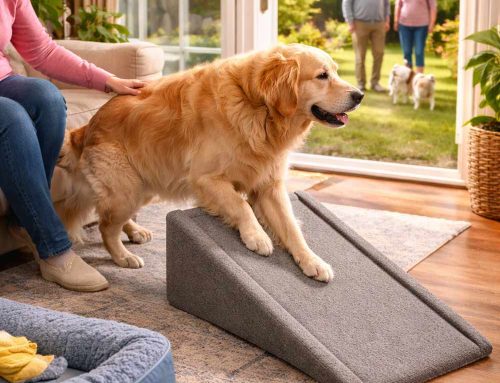
Pugs need regular exercise to prevent weight gain, but their exercise tolerance is limited due to their flat faces. Short walks and indoor play are ideal. Dachshunds, despite their small legs, can be surprisingly active and enjoy walks, though care should be taken to prevent back injuries from jumping or excessive stair climbing.
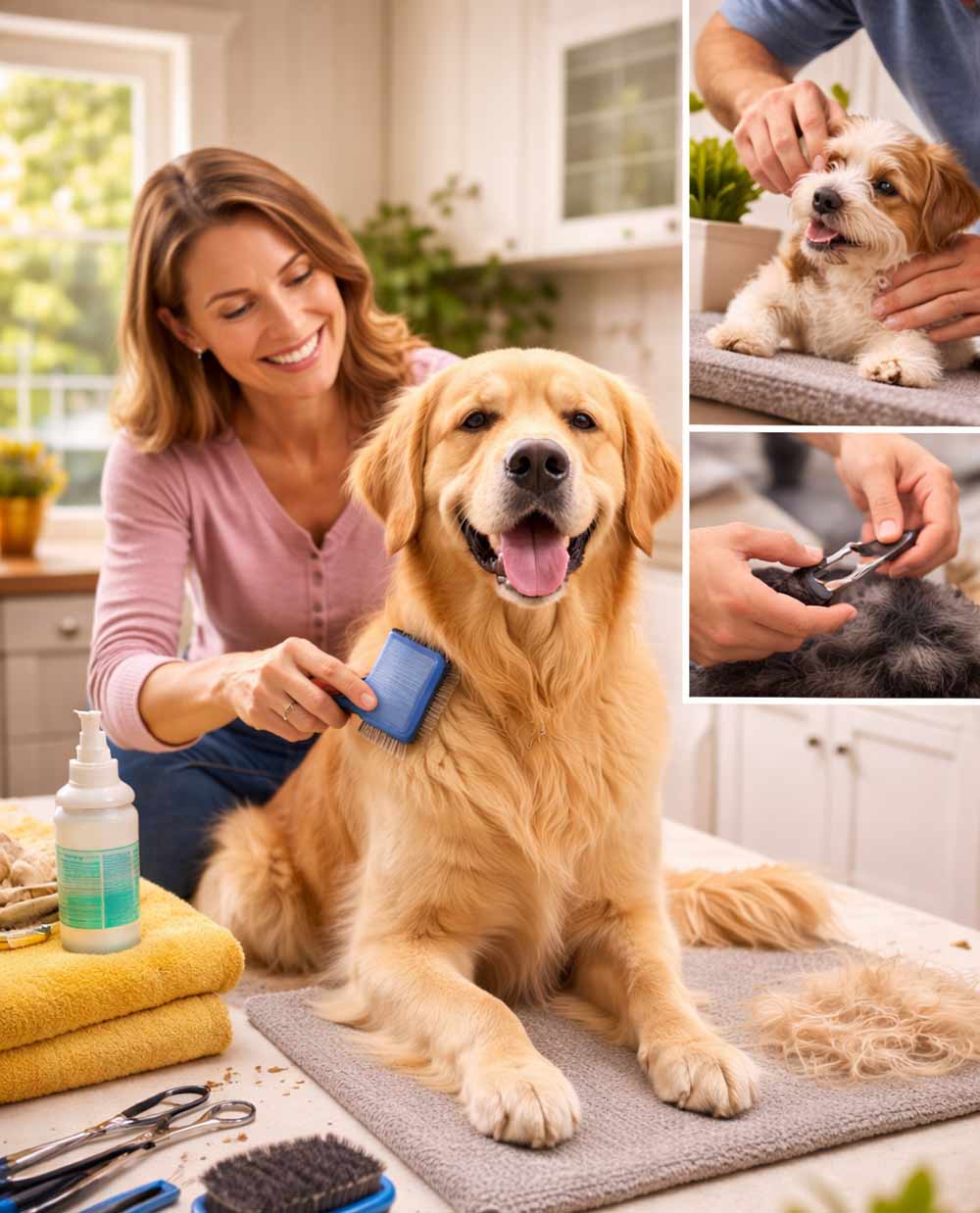
Shih Tzus require daily walks and enjoy playtime, but they’re generally content with indoor activities during inclement weather. Regular grooming is essential for these long-coated breeds to prevent matting and maintain their beautiful appearance.
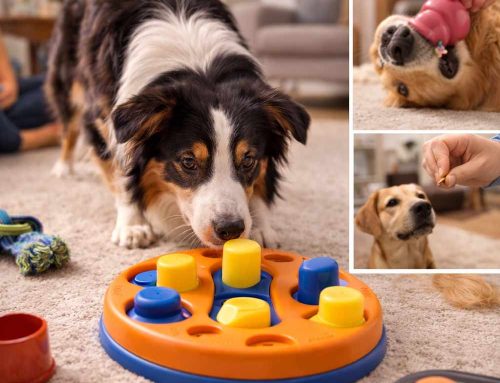
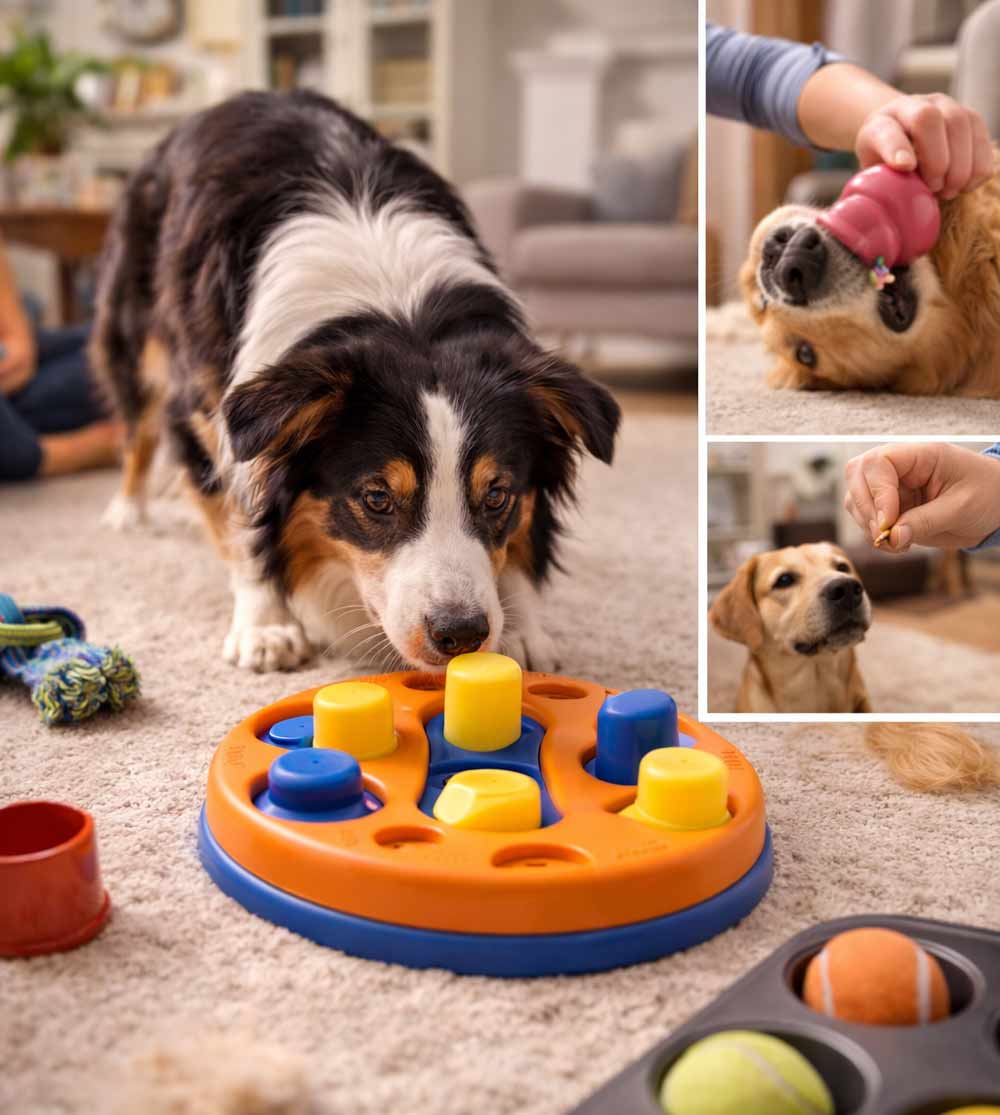
Boston Terriers are more energetic than some apartment breeds and benefit from daily walks and interactive play. Mental stimulation through puzzle toys and training can help burn energy when outdoor time is limited.
Chihuahuas have minimal exercise requirements and can often meet their needs with indoor play, though they still benefit from short walks and socialization opportunities.
Training Tips
Successful apartment living requires specific training focus areas. Housebreaking is crucial in small spaces where accidents are more noticeable and problematic. Establish consistent potty schedules and use positive reinforcement to reward appropriate elimination behavior.
Noise control training is essential for apartment harmony. Teach your dog a “quiet” command and redirect excessive barking behavior. Many apartment dogs bark due to boredom or anxiety, so providing adequate mental stimulation through puzzle toys, training sessions, and interactive play can reduce problematic vocalizations.
Crate training benefits apartment dogs by providing them with a safe space and helping with housebreaking. Choose an appropriately sized crate that allows your dog to stand, turn around, and lie down comfortably.
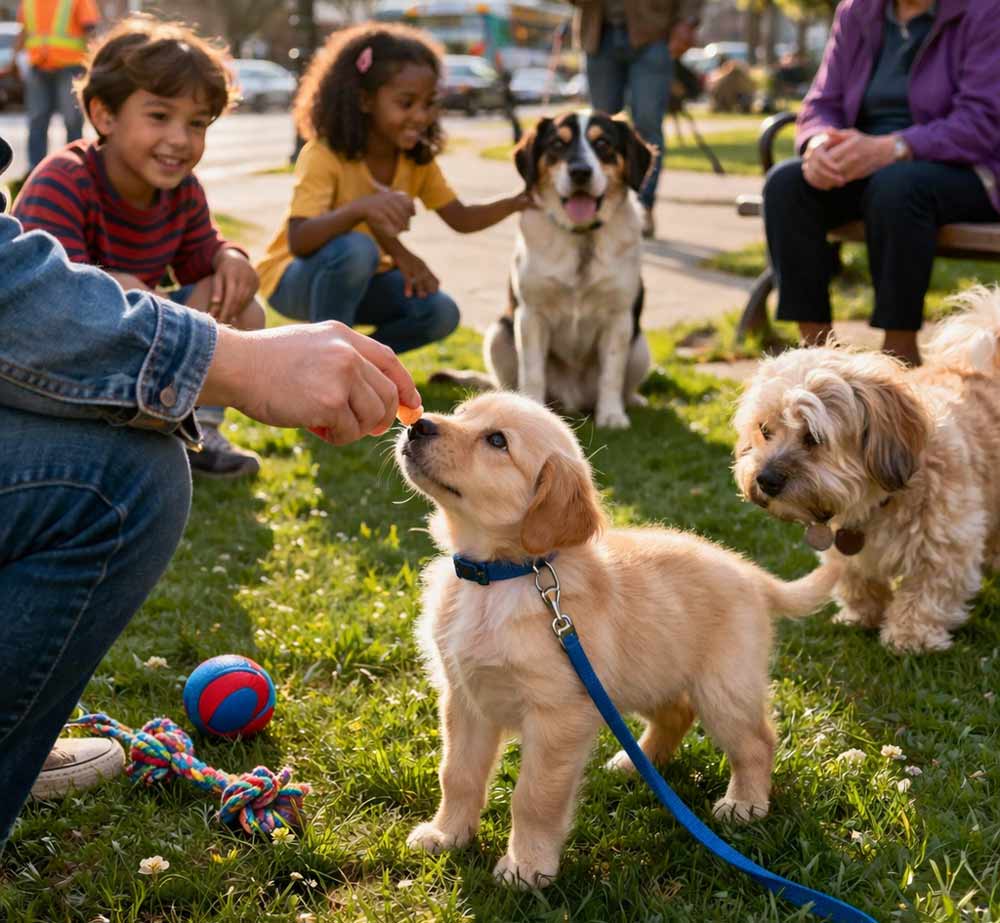
Socialization is particularly important for apartment dogs who may have limited exposure to different people, sounds, and situations. Gradually expose your dog to apartment building sounds like elevators, hallway foot traffic, and neighbor activities to prevent anxiety and reactivity.
Leash training is crucial since apartment dogs will likely spend more time on-leash than their suburban counterparts. Practice loose-leash walking and teach your dog to be comfortable in elevators and stairwells.
Common Health Considerations
Many popular apartment dog breeds are brachycephalic (flat-faced), including French Bulldogs, Pugs, and Boston Terriers. These breeds may experience breathing difficulties, especially in hot weather or during exercise. Watch for signs of respiratory distress such as excessive panting, blue-tinged gums, or difficulty breathing.
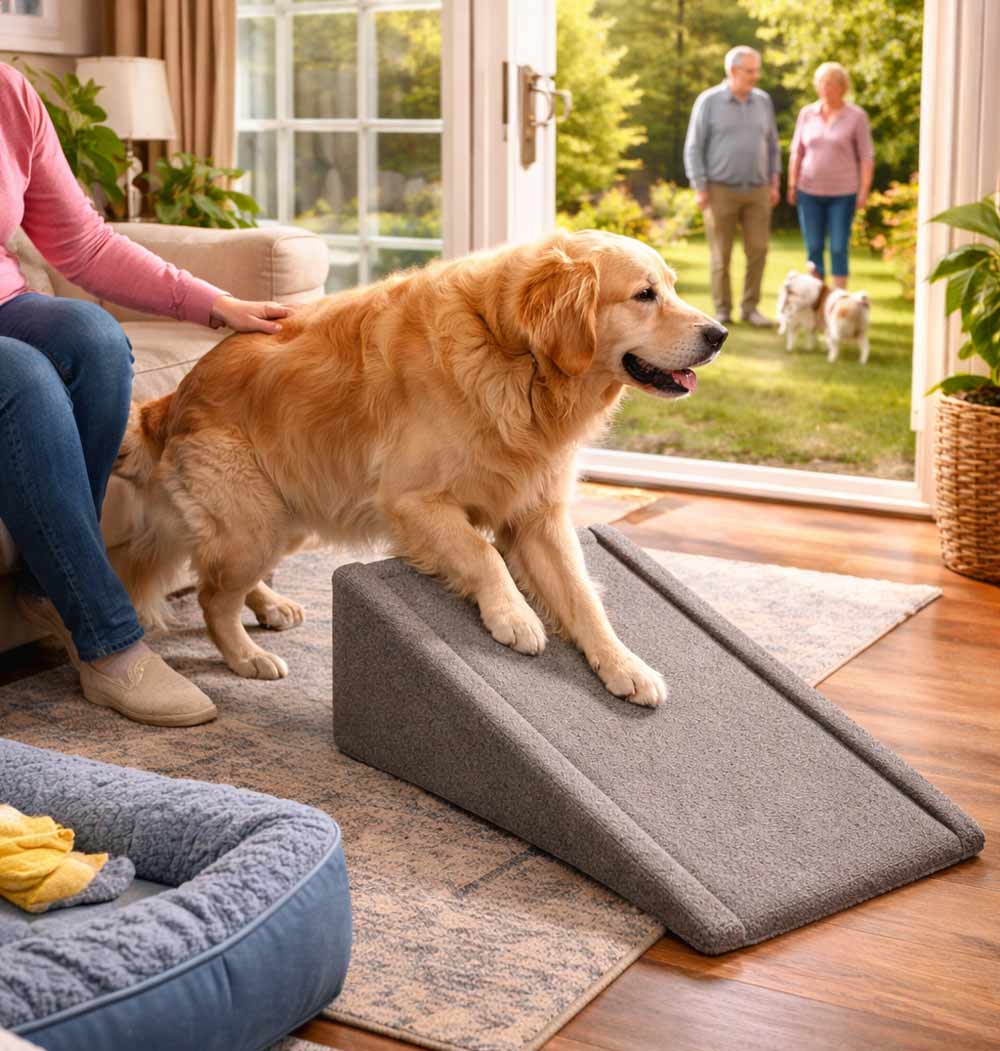
Joint and mobility issues can affect several apartment breeds. Dachshunds are prone to intervertebral disc disease due to their long backs, while small breeds like Chihuahuas may experience luxating patella (kneecap dislocation). As dogs age, mobility concerns become more common, and senior dog mobility strategies may become necessary.
Eye problems are common in several apartment breeds. Shih Tzus, Cavalier King Charles Spaniels, and Pugs may develop various eye conditions throughout their lives. Regular veterinary check-ups can help detect and manage these issues early.
Heart conditions, particularly mitral valve disease, are prevalent in Cavalier King Charles Spaniels. This breed should receive regular cardiac evaluations as they age.
Weight management is crucial for apartment dogs who may have fewer opportunities for extensive exercise. Obesity can exacerbate breathing problems in flat-faced breeds and increase joint stress in all dogs.
When to Call Your Vet
Contact your veterinarian if you notice any changes in your dog’s breathing patterns, especially in brachycephalic breeds. Signs of concern include persistent heavy panting when not hot or active, difficulty breathing, or any blue coloration around the gums or tongue.
Seek immediate veterinary attention if your Dachshund shows signs of back problems such as reluctance to move, crying when picked up, or any loss of coordination in the hind legs.
Schedule regular check-ups for early detection of breed-specific health issues. Cavalier King Charles Spaniels should have annual heart evaluations, while all apartment breeds benefit from regular eye examinations and weight monitoring.
Any sudden changes in behavior, appetite, or activity level warrant veterinary consultation to rule out underlying health issues.
FAQ
What are the best dog breeds for small apartments?
The best apartment dog breeds include French Bulldogs, Cavalier King Charles Spaniels, Pugs, Shih Tzus, Boston Terriers, Dachshunds, and Chihuahuas. These breeds adapt well to small spaces due to their size, temperament, and moderate exercise requirements.
How much exercise do apartment dogs need?
Most apartment dogs need 30 to 60 minutes of daily exercise, which can include walks, indoor play, and mental stimulation. The exact amount varies by breed, age, and individual dog. Brachycephalic breeds may require less intense exercise due to breathing limitations.
Are small dogs better for apartment living?
Small dogs are often better suited for apartments due to space constraints, but size isn’t the only factor. Temperament, energy level, and barking tendencies are equally important. Some small dogs are very energetic or vocal, while some larger, calmer breeds might adapt well to apartment living.
What should I consider before getting a dog in an apartment?
Consider your building’s pet policies, your daily schedule, exercise opportunities in your area, noise restrictions, and your long-term living situation. Also think about the specific needs of different breeds and whether you can meet them in your current living situation. Choosing the right dog breed for your family involves careful consideration of these factors.
How can I train my dog to live in an apartment?
Focus on housebreaking, noise control, crate training, and socialization. Establish consistent routines, provide adequate mental stimulation, and teach your dog to be comfortable with apartment building sounds and confined spaces. Positive reinforcement training works best for building good apartment behaviors.
Disclaimer: This article is for educational purposes only and is not intended to replace professional veterinary advice. Always consult with a qualified veterinarian for specific health concerns or before making decisions about your dog’s care, diet, or treatment.
Disclaimer: This article is educational and not a substitute for professional veterinary advice.