Creating a balanced senior dog routine involves understanding your aging companion’s changing needs and adapting their daily schedule accordingly. A well-structured routine for senior dogs should include gentle exercise, mental stimulation, proper nutrition, regular health monitoring, and plenty of rest. The key is finding the right balance between keeping your dog active and engaged while respecting their physical limitations and increased need for comfort.
As dogs age, typically around 7-8 years for larger breeds and 9-10 years for smaller breeds, their energy levels, mobility, and health requirements change significantly. A thoughtful approach to their daily routine can help maintain their quality of life, support their physical health, and keep them mentally sharp throughout their golden years.
What Dog Owners Should Know
Understanding the unique needs of senior dogs is the foundation of creating an effective routine. Senior dogs often experience changes in their sleep patterns, requiring more rest throughout the day. They may also develop arthritis or other joint issues that affect their mobility, making it important to adjust their activity levels accordingly.
Mental stimulation becomes increasingly important as dogs age, as it helps maintain cognitive function and prevents boredom-related behaviors. Senior dogs may also experience changes in their vision or hearing, which means their environment and routine may need modifications to keep them safe and comfortable.
Nutritional needs shift as well, with many senior dogs requiring fewer calories due to decreased activity levels, but potentially needing specialized diets to support joint health, kidney function, or other age-related concerns. Regular veterinary checkups become more crucial during this life stage, typically recommended every six months instead of annually.
Daily Care Tips
Start your senior dog’s day with a gentle morning routine. Allow them extra time to wake up and stretch, as stiff joints are common in the morning. A short, easy walk can help loosen their muscles and provide mental stimulation through new scents and sights.
Feeding should occur at consistent times, typically twice daily for senior dogs. Consider elevating food and water bowls if your dog has neck or back issues. Monitor their eating habits closely, as changes in appetite can indicate health problems.
Exercise remains important but should be adapted to your dog’s capabilities. Replace long, vigorous walks with shorter, more frequent outings. Swimming can be excellent low-impact exercise for dogs with joint issues. Senior Dog Mobility: Tips for Helping Your Aging Pet offers additional strategies for keeping older dogs active safely.
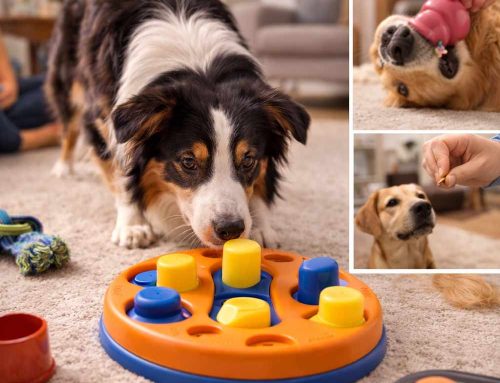
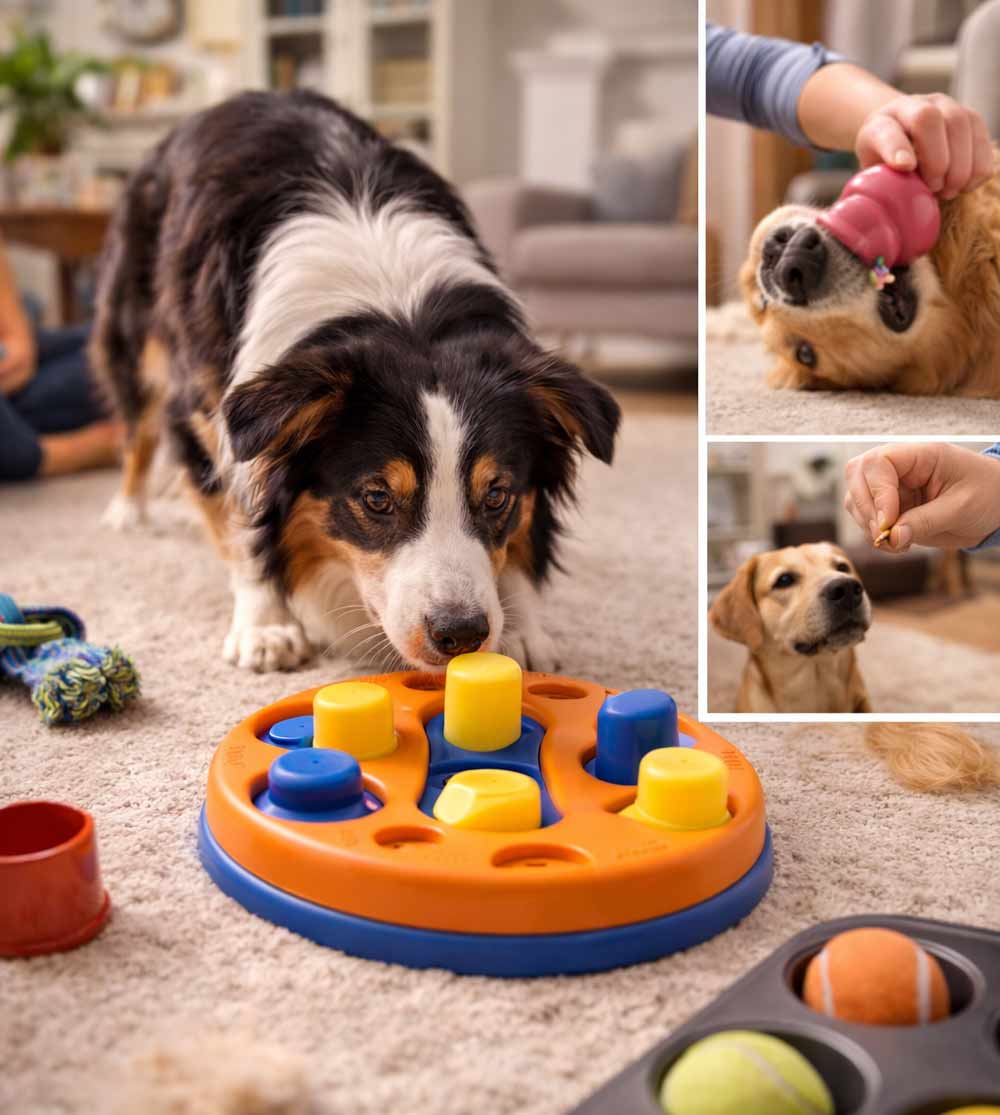
Mental stimulation should be incorporated throughout the day through puzzle toys, gentle training sessions, or Fun and Engaging Games to Play with Your Dog that are appropriate for senior dogs. These activities help maintain cognitive function and provide entertainment.
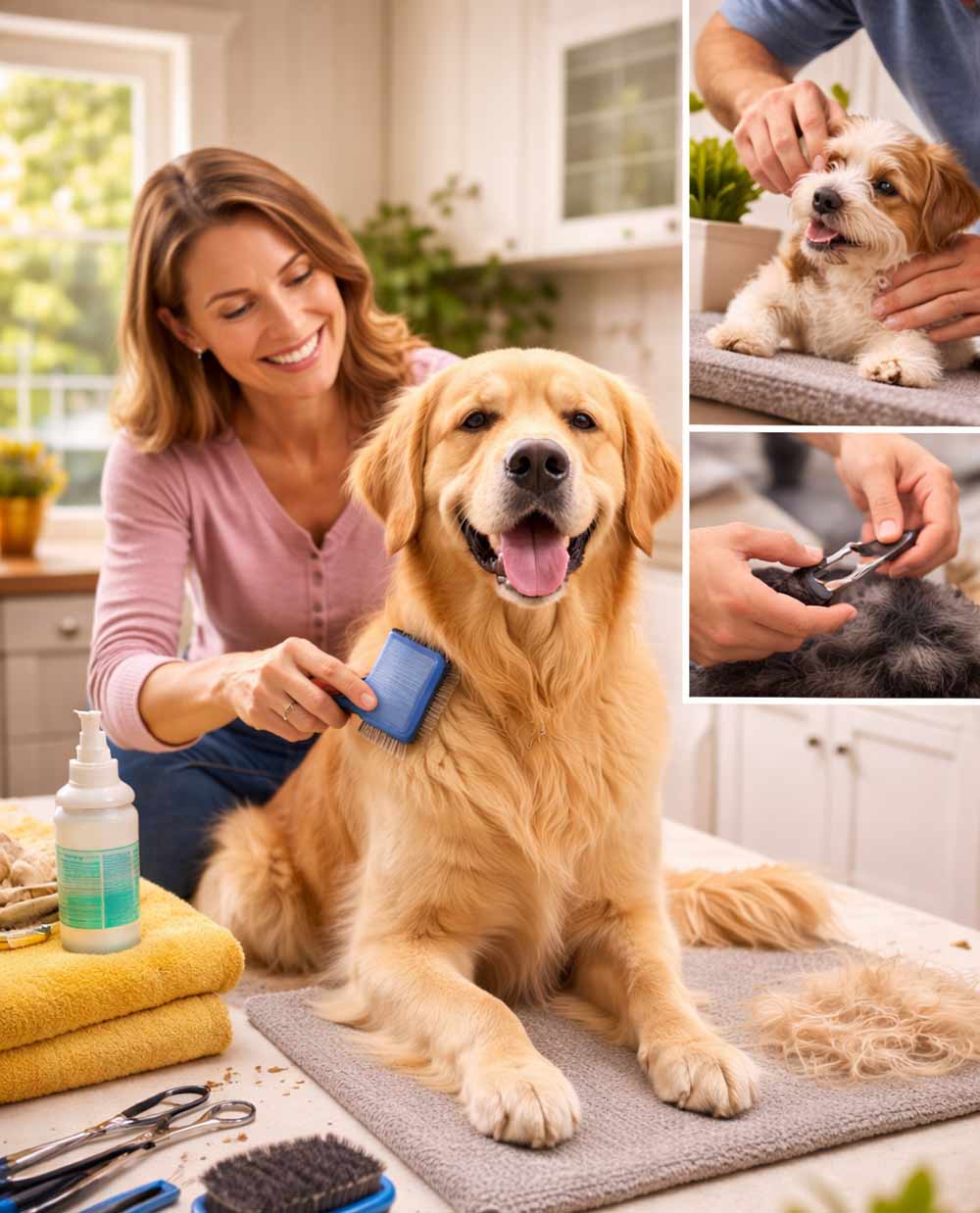
Grooming becomes more important as senior dogs may have difficulty maintaining their coat or reaching certain areas. Regular brushing, nail trims, and dental care should be part of their routine. Essential Grooming Tips for Every Dog Owner provides comprehensive guidance for maintaining your senior dog’s hygiene.
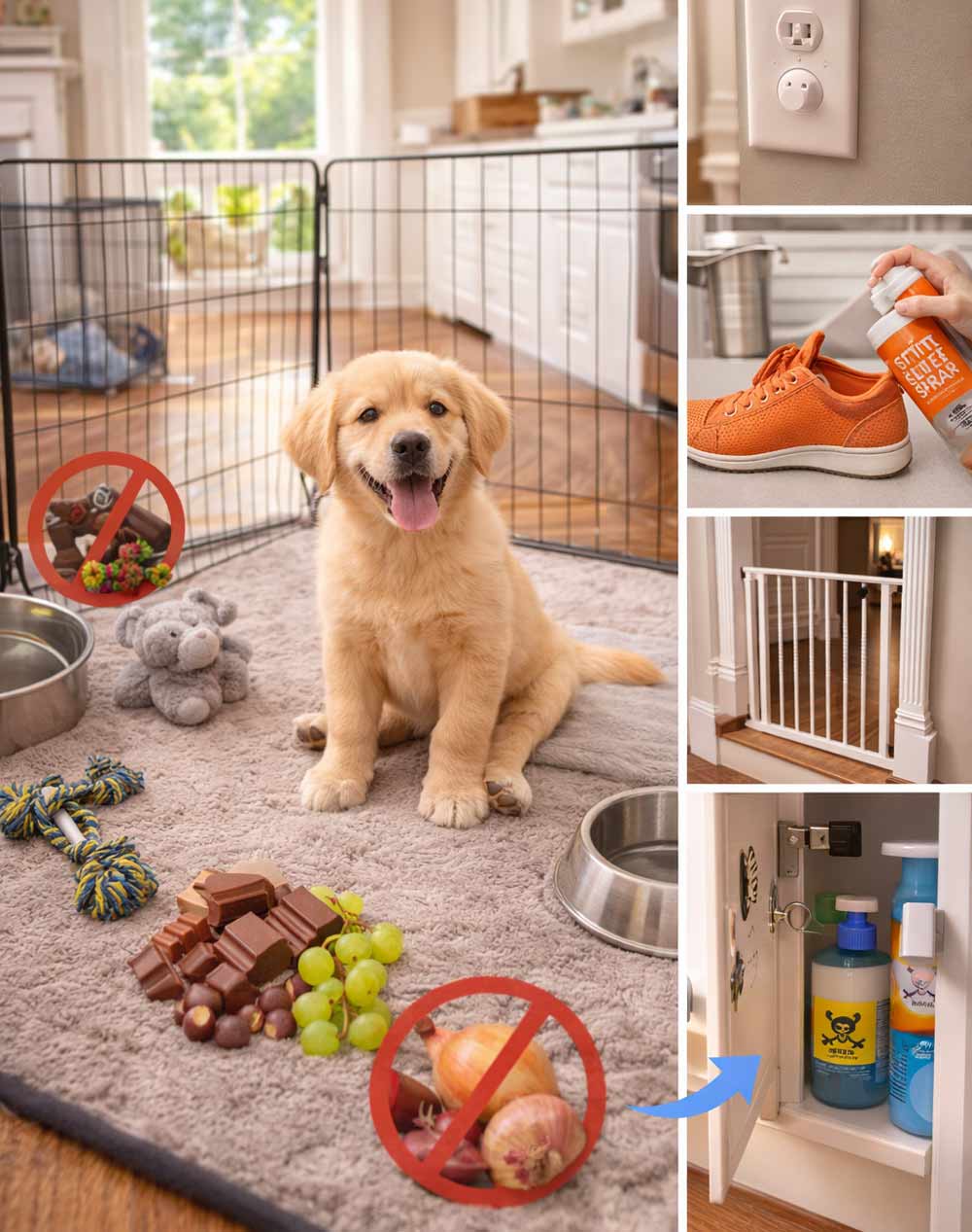
Create comfortable resting areas throughout your home with orthopedic bedding to support aging joints. Senior dogs may need more frequent bathroom breaks, so establish a consistent schedule that accommodates this need.
Common Issues to Watch For
Senior dogs are prone to several age-related changes that owners should monitor carefully. Arthritis and joint stiffness are common, often noticeable as difficulty getting up, reluctance to climb stairs, or changes in gait. You may observe your dog moving more slowly or showing hesitation before jumping or climbing.
Cognitive changes can manifest as confusion, disorientation, changes in sleep patterns, or altered behavior. Some senior dogs may seem lost in familiar environments or show increased anxiety or restlessness, particularly at night.
Vision and hearing changes are normal parts of aging. You might notice your dog bumping into furniture, having difficulty navigating in low light, or not responding to verbal commands as readily as before. These changes require environmental modifications to maintain safety.
Weight changes are common in senior dogs. Some may gain weight due to decreased activity, while others might lose weight due to dental issues, decreased appetite, or underlying health conditions. Regular weight monitoring is essential.
Behavioral changes such as increased clinginess, anxiety, or changes in social interactions with other pets or family members can indicate discomfort or cognitive decline. Changes in bathroom habits, including accidents in the house, may signal health issues or simply reflect the need for more frequent breaks.
When to Call Your Vet
Certain signs warrant immediate veterinary attention. Contact your veterinarian if you notice sudden changes in appetite, significant weight loss or gain, difficulty breathing, excessive panting when not exercising, or persistent coughing.
Mobility issues that develop quickly, such as sudden limping, inability to get up, or collapse, require prompt medical evaluation. Similarly, any signs of pain, including whimpering, excessive panting, restlessness, or reluctance to move, should be addressed professionally.
Changes in bathroom habits, such as straining, blood in urine or stool, or sudden increase in accidents, need veterinary assessment. Behavioral changes that are dramatic or concerning, including disorientation, excessive anxiety, or aggression, should also be evaluated.
Vomiting, diarrhea, or signs of dehydration are always concerning in senior dogs, as they can become dehydrated more quickly than younger animals. Any lumps, bumps, or skin changes should be examined, as senior dogs have higher rates of skin and internal tumors.
Don’t hesitate to consult your veterinarian about gradual changes as well. Early intervention often leads to better outcomes and can help maintain your senior dog’s quality of life longer.
FAQ
What are the signs of aging in dogs?
Common signs of aging include gray hair around the muzzle and face, decreased energy levels, stiffness when getting up, changes in sleep patterns, and possible weight gain or loss. You may also notice changes in vision or hearing, increased anxiety, or cognitive changes such as disorientation.
How much exercise does a senior dog need?
Senior dogs typically need shorter, more frequent exercise sessions rather than long, intensive activities. Most benefit from 20-30 minutes of gentle exercise daily, divided into multiple walks. The exact amount depends on your dog’s health, breed, and individual capabilities. Swimming and gentle play are excellent low-impact options.
What dietary changes should I consider for my senior dog?
Senior dogs may benefit from diets with fewer calories if they’re less active, but higher quality protein to maintain muscle mass. Foods with joint-supporting supplements, omega-3 fatty acids, and antioxidants can be helpful. Some senior dogs need specialized diets for kidney, heart, or other health conditions. Always consult your veterinarian before making significant dietary changes.
How can I keep my senior dog mentally stimulated?
Mental stimulation can include puzzle toys, gentle training sessions, sniffing games, and interactive feeding toys. Short training sessions using positive reinforcement can help maintain cognitive function. Rotating toys and providing new, safe experiences can also keep their minds engaged without overwhelming them.
Disclaimer: This article is for educational purposes only and is not intended to replace professional veterinary advice, diagnosis, or treatment. Always consult with a qualified veterinarian regarding your dog’s health and care needs, especially when dealing with senior dog health concerns.
Disclaimer: This article is educational and not a substitute for professional veterinary advice.
Owner Action Checklist
When managing concerns related to senior dog routine, use a calm, step-by-step approach. Practical monitoring and timely veterinary communication are usually more useful than waiting for signs to become severe.
- Check senior dog care regularly and track any meaningful changes over time.
- Check aging dog activities regularly and track any meaningful changes over time.
- Check dog lifestyle regularly and track any meaningful changes over time.
How to Reduce Risk Going Forward
Prevention starts with consistency. Build routines that lower exposure to common triggers linked to senior dog routine, and review your dog’s daily environment for avoidable hazards. Small routine upgrades can meaningfully reduce future risk.
If your dog has repeated episodes, ask your veterinarian about a personalized prevention plan, including diet, activity adjustments, home-environment changes, and follow-up timing.
Related concerns owners often research include senior dog care, aging dog activities, dog lifestyle. Addressing these questions early helps prevent complications and confusion.
For senior dog routine, keep your response practical and consistent. Focus on what changed recently, what symptoms appeared first, and whether your dog is improving or getting worse. Reliable observations are often more useful than guessing the exact cause.