
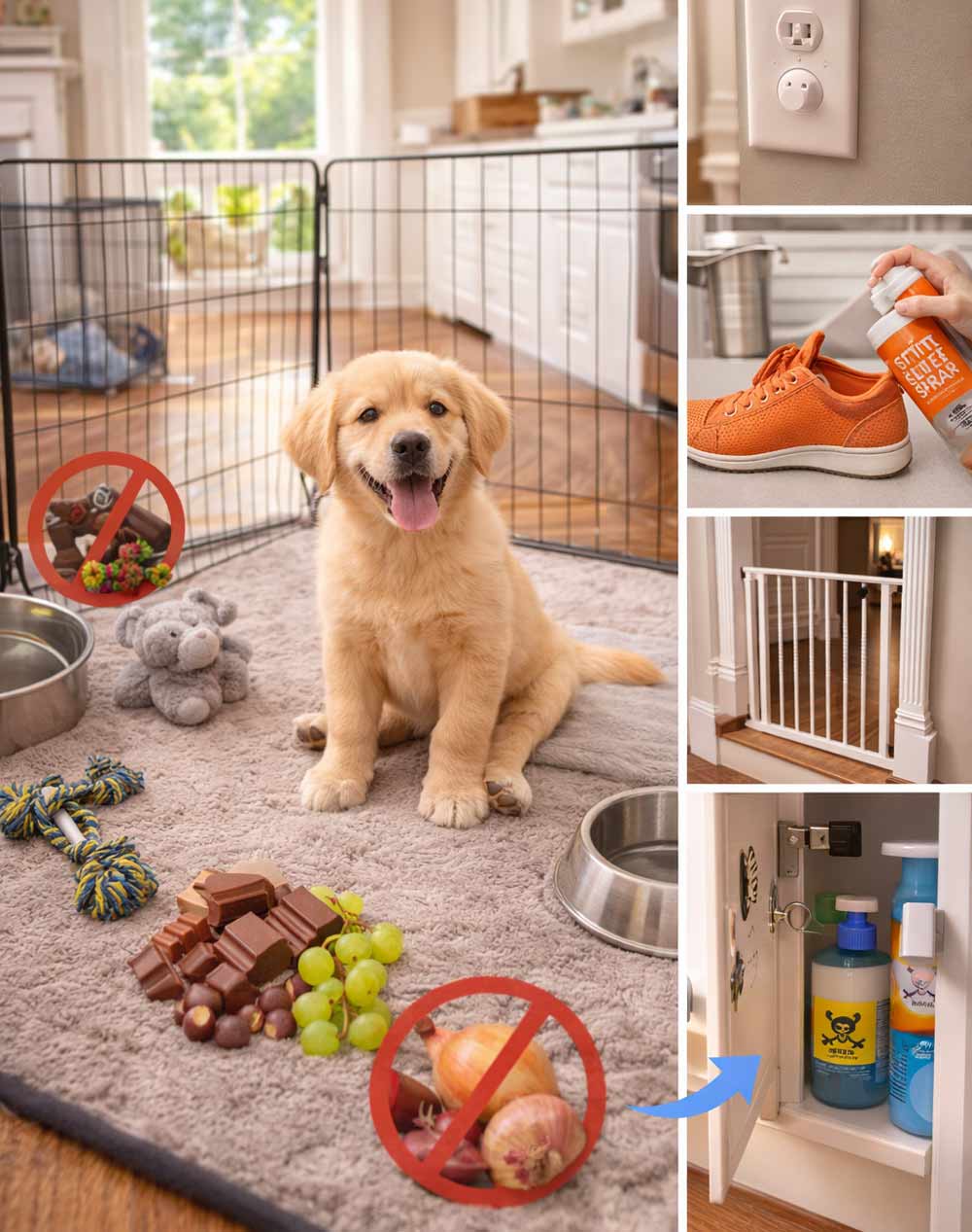
Creating a safe puppy environment at home is one of the most important steps new dog owners can take to ensure their furry friend thrives. A well-prepared home protects your puppy from common hazards while giving them the security they need to grow into a confident, healthy adult dog. The key to effective puppy care lies in understanding potential dangers, establishing safe spaces, and maintaining consistent daily routines that prioritize your puppy’s wellbeing.
Setting up a puppy-safe environment involves three main components: removing hazardous items from your puppy’s reach, creating designated safe zones throughout your home, and establishing boundaries that protect both your puppy and your belongings. This proactive approach to new puppy care prevents accidents, reduces stress for both you and your pet, and creates the foundation for successful training and socialization.
What Dog Owners Should Know
Understanding your puppy’s natural behaviors and instincts is essential for creating an effective safe environment. Puppies explore the world primarily through their mouths, which means they’ll chew, lick, and potentially swallow almost anything within reach. Their curiosity drives them to investigate every corner, crevice, and object in your home, making thorough preparation crucial.
Essential puppy safety tips begin with recognizing that puppies lack the judgment to avoid dangerous situations. They don’t understand that electrical cords can cause harm or that certain foods are toxic. This natural innocence requires you to think like a puppy and view your home from their low-to-the-ground perspective.
Your puppy home setup should include designated safe spaces where your puppy can rest, eat, and play without supervision concerns. Consider investing in baby gates to restrict access to certain areas, and ensure these spaces have appropriate flooring that’s easy to clean and won’t cause slipping.
Temperature control is another critical factor many new owners overlook. Puppies can’t regulate their body temperature as effectively as adult dogs, so maintaining comfortable indoor temperatures between 68-72°F helps prevent stress and supports healthy development.
Daily Care Tips
Establishing consistent daily routines forms the backbone of effective puppy care and safety. Start each morning by inspecting your puppy’s designated areas for any items that may have been dropped or moved during the night. This quick safety check prevents accidents before they happen.
Feeding schedules should remain consistent, with food and water bowls placed in secure locations away from foot traffic. Remove food bowls between meals to prevent overeating and reduce the risk of food-related aggression or accidents.
Regular exercise and mental stimulation are crucial for preventing destructive behaviors that can lead to safety issues. Creative Indoor Activities for Dogs: Keeping Your Pup Engaged offers excellent ideas for keeping your puppy mentally satisfied while maintaining a controlled environment.
Supervision remains your most powerful tool for maintaining safety. When you cannot actively supervise your puppy, use crate training or puppy-proofed rooms to ensure their security. Never leave a young puppy unsupervised in an un-puppy-proofed area, even for short periods.
Daily grooming routines not only maintain your puppy’s health but also provide opportunities to check for injuries, irritations, or foreign objects that may have been picked up during play. Essential Grooming Tips for Every Dog Owner provides comprehensive guidance for establishing these important routines.
Socialization should begin early but in controlled, safe environments. The Ultimate Guide to Puppy Socialization offers valuable insights into introducing your puppy to new experiences while maintaining their safety and confidence.
Common Issues to Watch For
Several recurring safety issues affect puppies in home environments. Recognizing these common problems helps you prevent serious accidents and health concerns.
Choking hazards represent one of the most frequent dangers. Small objects like buttons, coins, children’s toys, and even kibble that’s too large can become lodged in your puppy’s throat. Regularly scan floor areas and remove any items smaller than a ping-pong ball.
Electrical hazards pose serious risks to curious puppies. Exposed cords, outlets, and electronic devices can cause burns, electric shock, or worse. Use cord protectors, outlet covers, and keep devices unplugged when not in use.
Toxic ingestion incidents occur frequently because puppies don’t discriminate between safe and dangerous items. Common household toxins include chocolate, grapes, onions, garlic, xylitol-containing products, cleaning supplies, medications, and many houseplants. Maintain a comprehensive list of toxic substances and ensure they’re stored well out of reach.
Escape attempts and boundary testing are normal puppy behaviors that can lead to dangerous situations. Check fencing regularly, ensure gates latch securely, and never leave doors or windows open without proper screening.
Falls and injuries from furniture, stairs, or elevated surfaces are common as puppies develop coordination. Consider using ramps or steps to help smaller breeds navigate height differences safely, and block access to stairs until your puppy develops better motor skills.
When to Call Your Vet
Recognizing when your puppy needs immediate veterinary attention can be lifesaving. Contact your veterinarian immediately if your puppy shows signs of choking, including pawing at the mouth, difficulty breathing, blue-tinged gums, or excessive drooling.
Suspected poisoning requires emergency veterinary care. Symptoms may include vomiting, diarrhea, lethargy, seizures, difficulty breathing, excessive drooling, or unusual behavior. If you suspect your puppy has ingested something toxic, contact your veterinarian or pet poison control hotline immediately, even if symptoms haven’t appeared yet.
Trauma from falls, impacts, or accidents warrants professional evaluation, even if your puppy appears uninjured initially. Internal injuries may not be immediately apparent, and delayed treatment can have serious consequences.
Changes in eating, drinking, or bathroom habits lasting more than 24 hours should be evaluated, as these can indicate various health issues that may be related to environmental factors in your home.
Persistent coughing, difficulty breathing, or unusual lethargy may indicate respiratory issues potentially caused by environmental irritants or allergies in your home environment.
Any cuts, wounds, or injuries that break the skin should be professionally cleaned and evaluated to prevent infection and ensure proper healing.
Related reading: Essential Puppy Care Tips for New Owners
Early care decisions shape long-term health — new puppy tips covers a related foundation that every new puppy owner should understand.
Grooming is rarely just one task — How to Groom Your Dog at Home: A Step-by-Step Guide covers a related area of care that often goes hand in hand with this.
Early care decisions shape long-term health — How to Create a Puppy Training Schedule: A Step-by-Step Guide covers a related foundation that every new puppy owner should understand.
FAQ
What are the essential items needed for a puppy-safe home?
Essential items include baby gates, outlet covers, cord protectors, secure trash cans with tight-fitting lids, a properly sized crate, non-slip rugs for smooth surfaces, and a first aid kit designed for pets. You’ll also need secure storage for cleaning supplies, medications, and toxic foods, plus appropriate toys that won’t break apart or create choking hazards.
How can I puppy-proof my living space?
Start by getting down to your puppy’s eye level and identifying potential hazards. Secure or remove small objects, cover electrical outlets, protect cords with protective tubing, install cabinet locks on lower cabinets containing dangerous items, and use baby gates to restrict access to unsafe areas. Remove or elevate houseplants, secure loose rugs, and ensure all windows have secure screens.
What common hazards should I look out for?
Common hazards include electrical cords, small objects that could cause choking, toxic foods and plants, cleaning supplies, medications, sharp objects, loose wires, unsecured trash cans, and access to stairs or elevated areas. Also watch for items your puppy might destroy and potentially ingest, such as shoes, furniture stuffing, or fabric items.
When should I seek veterinary help for my puppy?
Seek immediate veterinary attention for choking, suspected poisoning, trauma from falls or impacts, difficulty breathing, persistent vomiting or diarrhea, unusual lethargy, seizures, or any injury that breaks the skin. Also contact your vet if your puppy stops eating or drinking for more than 24 hours, shows signs of pain, or exhibits any behavior that concerns you.
Disclaimer: This article is for educational purposes only and is not intended to replace professional veterinary advice, diagnosis, or treatment. Always consult with a qualified veterinarian regarding your puppy’s health and safety needs. If you have concerns about your puppy’s wellbeing or suspect a medical emergency, contact your veterinarian immediately.
Disclaimer: This article is educational and not a substitute for professional veterinary advice.