
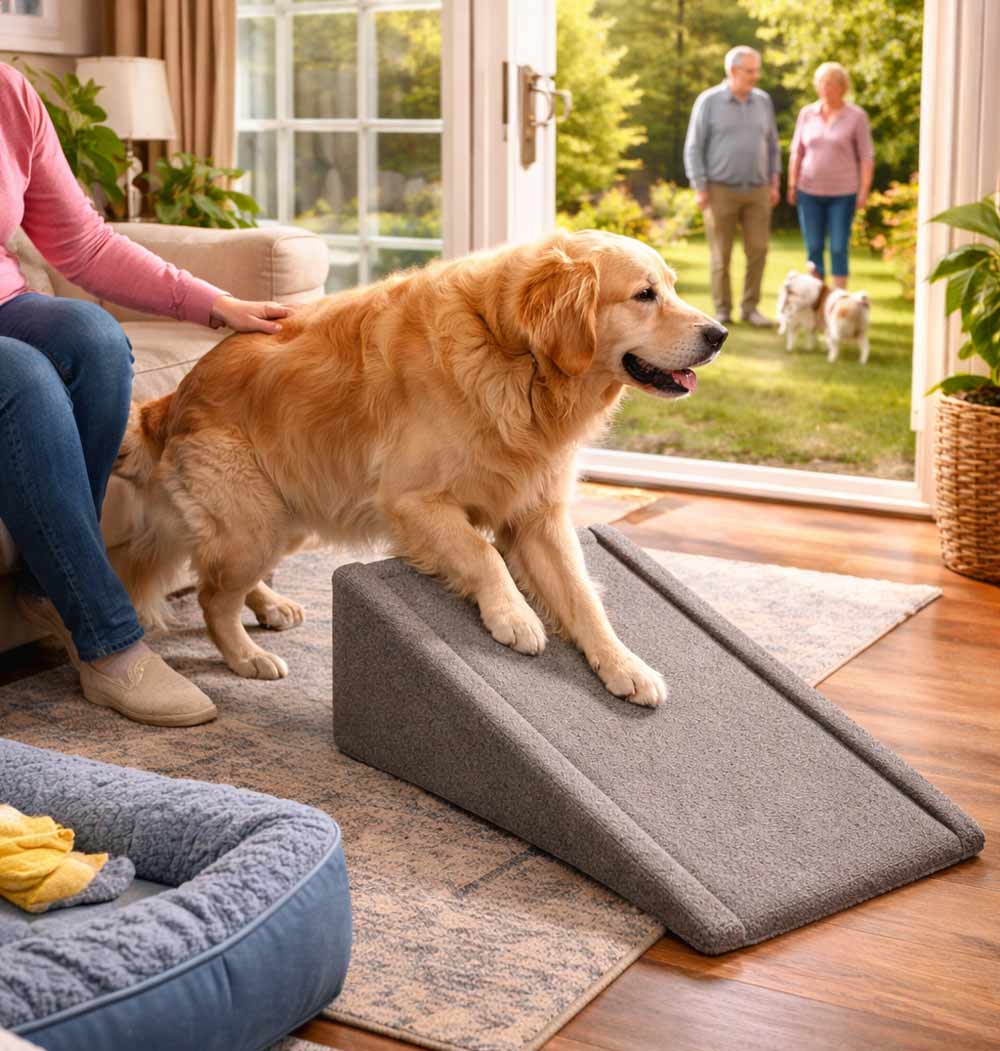
As dogs age, maintaining mobility becomes increasingly important for their quality of life and overall well-being. Senior dog mobility challenges are common, but with the right approach, you can help your aging pet stay comfortable, active, and happy for years to come. The key lies in understanding your dog’s changing needs and implementing practical daily care strategies that support their physical abilities.
Most senior dogs begin experiencing mobility changes around 7-10 years of age, depending on their breed and size. While some stiffness and slower movement is natural with aging, there are many effective ways to support your dog’s mobility through proper exercise, environmental modifications, and appropriate care techniques.
What Dog Owners Should Know
Senior dogs face several mobility challenges as they age. Joint stiffness, muscle weakness, and decreased flexibility are among the most common issues that affect how easily your dog can move around. Large breed dogs often experience these changes earlier than smaller breeds, sometimes as young as 5-6 years old.
Arthritis is one of the most frequent causes of mobility problems in aging dogs. This condition causes inflammation in the joints, leading to pain and reduced range of motion. Additionally, senior dogs may develop muscle atrophy, where muscle mass decreases over time, making it harder for them to support their body weight effectively.
Environmental factors also play a significant role in senior dog mobility. Slippery floors, high steps, and cold weather can all make movement more challenging for aging pets. Understanding the effects of weather on dog behavior can help you better prepare for seasonal mobility challenges.
It’s important to recognize that mobility issues often develop gradually. Your dog may compensate for discomfort by changing their gait or avoiding certain activities, which can mask early signs of problems. Regular observation of your pet’s movement patterns helps identify changes before they become severe.
Daily Care Tips
Supporting your senior dog’s mobility starts with establishing a consistent daily routine that prioritizes gentle movement and comfort. Low-impact exercise is essential for maintaining joint flexibility and muscle strength. Short, frequent walks are often more beneficial than long, strenuous outings that might cause fatigue or strain.
Swimming is an excellent exercise option for senior dogs, as the water supports their weight while allowing full range of motion in their joints. If swimming isn’t accessible, consider walking on soft surfaces like grass or sand, which are easier on aging joints than concrete or asphalt.
Creating a mobility-friendly home environment significantly impacts your dog’s daily comfort. Place non-slip rugs on smooth floors to provide better traction, especially near food bowls, doorways, and favorite resting spots. Ramps can replace stairs where possible, making it easier for your dog to access furniture, cars, or elevated areas.
Orthopedic bedding provides crucial support for senior dogs’ joints while they rest. Memory foam beds or heated orthopedic mats can help reduce stiffness and provide comfort during sleep. Position beds away from drafts and in easily accessible locations.
Regular gentle massage and stretching can help maintain flexibility and circulation. Simple techniques like gently flexing your dog’s legs or providing light pressure massage to their muscles can be beneficial when done consistently and carefully.
Maintaining an appropriate weight is critical for senior dog mobility. Extra weight puts additional stress on already vulnerable joints and muscles. Work with your veterinarian to establish an appropriate diet and feeding schedule that supports healthy weight management.
Common Issues to Watch For
Recognizing early signs of mobility problems allows for timely intervention and better outcomes. Stiffness after rest periods is often one of the first indicators that your dog may be experiencing joint discomfort. You might notice your dog taking longer to get up from lying down or appearing stiff when they first start moving.
Changes in gait or walking patterns are significant warning signs. These might include favoring one leg, walking with a shortened stride, or showing reluctance to use stairs. Some dogs may begin bunny-hopping when going up stairs instead of using alternating leg movements.
Decreased activity levels or reluctance to participate in previously enjoyed activities can indicate mobility discomfort. If your dog stops jumping onto furniture, avoids stairs, or seems less enthusiastic about walks, these behavioral changes may signal underlying mobility issues.
Difficulty rising from lying or sitting positions is another common sign to monitor. Senior dogs may struggle to stand up, especially after periods of rest, or may need several attempts to achieve a standing position.
Behavioral changes such as increased irritability, withdrawal from family activities, or changes in appetite can sometimes accompany mobility problems. Dogs experiencing discomfort may become less social or show changes in their normal personality.
For more detailed information about joint-related concerns, recognizing signs of dog arthritis provides comprehensive guidance on early detection and management strategies.
When to Call Your Vet
While some mobility changes are normal with aging, certain signs warrant immediate veterinary attention. Sudden onset of lameness or severe difficulty walking requires prompt professional evaluation, as these symptoms may indicate injury or acute health issues.
Persistent limping that lasts more than a few days should be examined by a veterinarian. Even if the limping seems mild, underlying issues may be present that require professional diagnosis and treatment.
Signs of pain such as whimpering, panting without exertion, trembling, or aggressive behavior when touched should prompt a veterinary consultation. Dogs often hide pain, so these visible signs typically indicate significant discomfort.
Complete reluctance to move or inability to stand requires immediate veterinary care. These severe symptoms may indicate serious conditions that need urgent attention.
Progressive worsening of mobility over a short period should be evaluated professionally. While gradual changes over months may be normal aging, rapid deterioration often indicates underlying health issues that can be treated.
Changes in bowel or bladder control accompanying mobility issues need veterinary assessment, as these symptoms may be related to spinal or neurological conditions.
Your veterinarian can recommend appropriate mobility aids for dogs, such as harnesses, slings, or wheelchairs, and may suggest treatments like physical therapy, medications, or joint supplements to help manage your dog’s condition.
Related reading: Essential Grooming Tips for Every Dog Owner
Related reading: How to Create a Safe Puppy Environment at Home
Related reading: The Best Dog Breeds for Apartment Living
Related reading: Essential Puppy Care Tips for New Owners
Related reading: Essential Tips for Crate Training Your Dog
Related reading: How to Create a Balanced Routine for Your Senior Dog
Related reading: senior dog nutrition
Managing one health issue often means staying informed about related ones — dog health is worth adding to your reading.
For owners supporting an older dog, senior dog health goes deeper on a topic that pairs naturally with this one.
Dogs with similar concerns often benefit from understanding Understanding the Importance of Regular Dental Care for Dogs — it covers related symptoms and when to act.
FAQ
What are the signs of mobility issues in senior dogs?
Common signs include stiffness after rest, difficulty rising, changes in gait, reluctance to climb stairs, decreased activity levels, and behavioral changes such as increased irritability or withdrawal. Early signs might be subtle, like taking longer to get up or showing less enthusiasm for walks.
How can I help my senior dog exercise safely?
Focus on low-impact activities like short, frequent walks on soft surfaces, swimming if available, and gentle indoor movement. Avoid overexertion and watch for signs of fatigue. Consistency is more important than intensity – regular gentle exercise is better than occasional strenuous activity.
What mobility aids are available for senior dogs?
Mobility aids include non-slip rugs, ramps, orthopedic bedding, supportive harnesses, slings for assistance with walking, and in some cases, wheelchairs or carts. Your veterinarian can recommend appropriate aids based on your dog’s specific needs and mobility level.
When should I consider consulting a vet for my aging dog?
Consult your veterinarian if you notice sudden lameness, persistent limping lasting more than a few days, signs of pain, complete reluctance to move, rapidly worsening mobility, or any concerning behavioral changes. Regular senior wellness exams can also help identify issues early.
Disclaimer: This article is for educational purposes only and is not a substitute for professional veterinary advice. Always consult with a qualified veterinarian for proper diagnosis and treatment of your pet’s health concerns. If your dog shows signs of illness or injury, seek professional veterinary care promptly.
Related Reads