
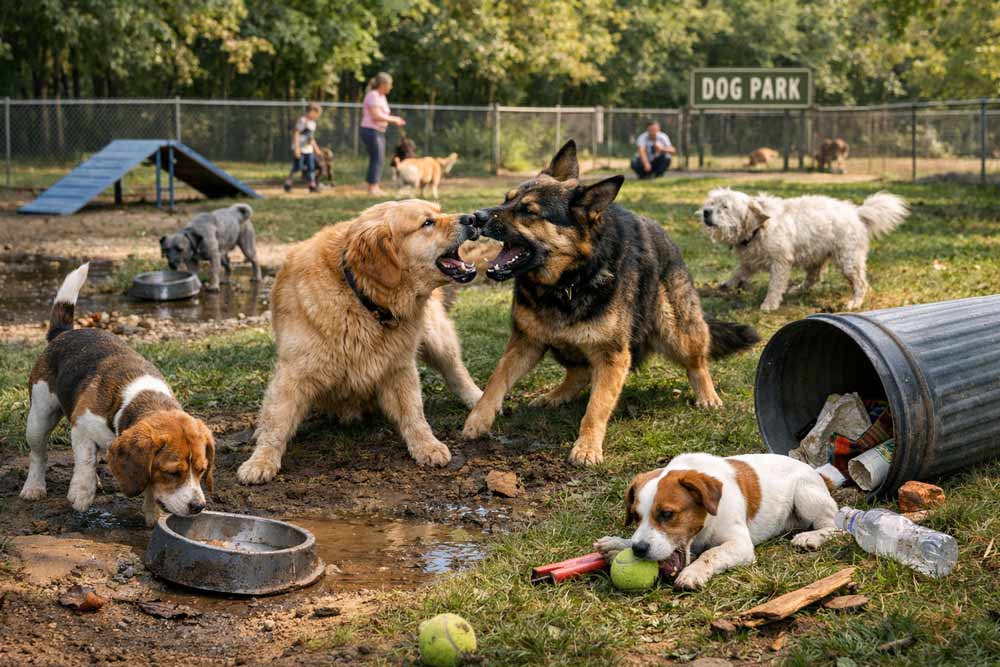
Dog parks can be wonderful places for our furry friends to exercise, socialize, and burn off energy. However, these popular gathering spots also present several dog parks risks that responsible owners should understand before their next visit. While most dogs enjoy their time at the park without incident, being aware of potential dangers can help you make informed decisions and keep your pet safe.
From disease transmission and injuries to behavioral conflicts and environmental hazards, dog parks present unique challenges that require careful consideration. Understanding these risks doesn’t mean you should avoid dog parks entirely, but rather that you should approach them with knowledge and preparation to ensure your dog’s well-being.
What Dog Owners Should Know
Dog parks present several categories of risks that every owner should be aware of. Disease transmission tops the list of concerns, as these spaces bring together dogs of varying health statuses and vaccination histories. Common illnesses that can spread in dog parks include kennel cough, parvovirus, and intestinal parasites. Dogs may also contract skin conditions or fungal infections from contaminated surfaces or direct contact with infected animals.
Injuries represent another significant concern in dog park environments. Dogs playing together can accidentally hurt each other through rough play, and fights between dogs can result in serious wounds. Even well-socialized dogs may react unpredictably when overstimulated or stressed. Torn nails, cuts from sharp objects, and muscle strains from running on uneven terrain are additional physical risks to consider.
Behavioral issues can develop or worsen from negative dog park experiences. Some dogs may become fearful or aggressive after traumatic encounters with other dogs or irresponsible owners. How to Manage Dog Separation Anxiety becomes particularly relevant when dogs develop stress responses from overwhelming park experiences.
Environmental risks for dogs at parks include exposure to toxic plants, contaminated water sources, and hazardous objects left by visitors. Weather conditions can also pose threats – hot pavement can burn paw pads, while cold temperatures may lead to hypothermia in smaller or short-haired breeds. Understanding the Effects of Weather on Dog Behavior can help you recognize when conditions might not be ideal for park visits.
Human factors contribute significantly to dog park dangers. Inattentive owners who don’t supervise their pets properly, those who bring aggressive or unvaccinated dogs, and people who don’t clean up after their pets all create additional risks for other park users. Some owners may not recognize signs of stress or aggression in their own dogs, leading to preventable incidents.
What You Can Do at Home
Preparation is key to minimizing dog safety risks during park visits. Before your first trip, ensure your dog is up to date on all vaccinations, including those for kennel cough, rabies, and distemper. Your veterinarian can advise on additional vaccines that might be recommended based on your local area’s specific disease risks.
Proper socialization training at home helps prepare your dog for park interactions. Practice recall commands extensively, as being able to call your dog back reliably can prevent many dangerous situations. Work on basic obedience commands and ensure your dog responds well to redirection when excited or overstimulated.
Pack a well-stocked dog park kit that includes fresh water and a portable bowl, waste bags, a first aid kit with basic supplies, and high-value treats for recall training. Consider bringing a towel for cleanup and a leash for quick exits if needed. Avoid bringing toys that might cause resource guarding issues with other dogs.
Choose your park timing wisely to reduce risks. Visit during off-peak hours when fewer dogs are present, especially when introducing a new dog to the park environment. Observe the park from outside the fence first to assess the current situation and the behavior of dogs and owners already inside.
After each park visit, conduct a thorough health check of your dog. Look for cuts, scrapes, or signs of injury, and examine paws for cuts or embedded objects. Monitor your pet’s behavior and energy levels in the days following park visits, as changes might indicate illness or stress. Seasonal Risks for Dogs: What to Watch Out For provides additional guidance on time-specific health monitoring.
Establish clear boundaries for park visits based on your dog’s personality and comfort level. Some dogs thrive in busy, active environments, while others do better with smaller groups or shorter visits. Never force a fearful or anxious dog to stay at the park, as this can worsen behavioral issues over time.
When to Call Your Vet
Certain signs after a dog park visit warrant immediate veterinary attention. Contact your veterinarian right away if your dog shows signs of severe injury such as deep wounds, persistent bleeding, obvious pain when moving, or signs of shock including pale gums, rapid breathing, or weakness.
Behavioral changes that persist beyond a day or two should be evaluated by a professional. This includes excessive fearfulness, aggression toward family members, loss of appetite, or withdrawal from normal activities. These changes might indicate physical injury, illness, or psychological trauma that requires professional assessment.
Respiratory symptoms like persistent coughing, difficulty breathing, or unusual discharge from the nose or eyes may indicate infectious diseases contracted at the park. While some mild symptoms might resolve on their own, it’s better to err on the side of caution, especially with respiratory issues that can worsen quickly.
Gastrointestinal upset including vomiting, diarrhea, or loss of appetite could signal anything from stress to serious illness. If these symptoms persist for more than 24 hours or are accompanied by lethargy, dehydration, or blood in stool or vomit, seek veterinary care promptly.
Skin conditions that develop after park visits, such as excessive scratching, hot spots, or unusual rashes, may indicate allergic reactions, parasites, or infections. While minor skin irritations might improve with gentle care, persistent or worsening conditions require professional evaluation.
For older dogs or those with pre-existing health conditions, be especially vigilant for changes in mobility or energy levels. Recognizing Signs of Dog Arthritis: Early Detection and Management can help identify when increased stiffness or reluctance to move might indicate a problem requiring veterinary attention.
Related reading: Choosing the Right Dog Breed for Your Family
Related reading: The Ultimate Guide to Puppy Socialization
Related reading: Essential Grooming Tips for Every Dog Owner
FAQ
What are the common risks associated with dog parks?
The most common dog parks risks include disease transmission (such as kennel cough and parasites), injuries from rough play or fights, behavioral problems from negative experiences, and environmental hazards like toxic plants or contaminated water. Poor supervision by other owners and overcrowding can increase these risks significantly.
How can I keep my dog safe at a dog park?
Maintain up-to-date vaccinations, supervise your dog constantly, and choose less crowded times for visits. Bring fresh water, practice reliable recall commands, and be prepared to leave if the situation becomes unsafe. Always conduct post-visit health checks and monitor your dog’s behavior for several days afterward.
What signs should I look for to know if my dog is unwell after visiting a dog park?
Watch for changes in appetite, energy levels, or behavior, as well as physical symptoms like coughing, limping, or skin irritation. Persistent vomiting, diarrhea, difficulty breathing, or obvious pain warrant immediate veterinary attention. Even subtle behavioral changes that last more than a day or two should be evaluated.
Are there specific breeds that are more at risk in dog parks?
While all dogs face similar basic risks, some factors increase vulnerability. Very small breeds may be more susceptible to injuries from larger dogs, while brachycephalic (flat-faced) breeds may struggle more with heat-related issues. Dogs with compromised immune systems, elderly pets, and those with anxiety or fear issues may face additional challenges in dog park environments.
Moving Forward with Confidence
Understanding dog parks risks doesn’t mean avoiding these valuable spaces entirely. Instead, this knowledge empowers you to make informed decisions about when, where, and how to use dog parks safely. Many dogs benefit tremendously from the exercise and socialization opportunities that parks provide, and with proper precautions, the risks can be significantly minimized.
Remember that every dog is different, and what works for one may not work for another. Pay attention to your individual pet’s needs, comfort level, and reactions to help determine the best approach to dog park visits. When in doubt, consult with your veterinarian about whether dog parks are appropriate for your specific pet, especially if your dog has health issues or behavioral concerns.
By staying informed, prepared, and attentive, you can help ensure that dog park visits remain positive experiences for both you and your furry companion. The key is balancing the benefits of socialization and exercise with responsible risk management and always prioritizing your dog’s safety and well-being above all else.
This article is for educational purposes only and is not intended to replace professional veterinary advice, diagnosis, or treatment. Always consult with a qualified veterinarian regarding your pet’s health and any concerns you may have about their well-being.
Disclaimer: This article is educational and not a substitute for professional veterinary advice.