
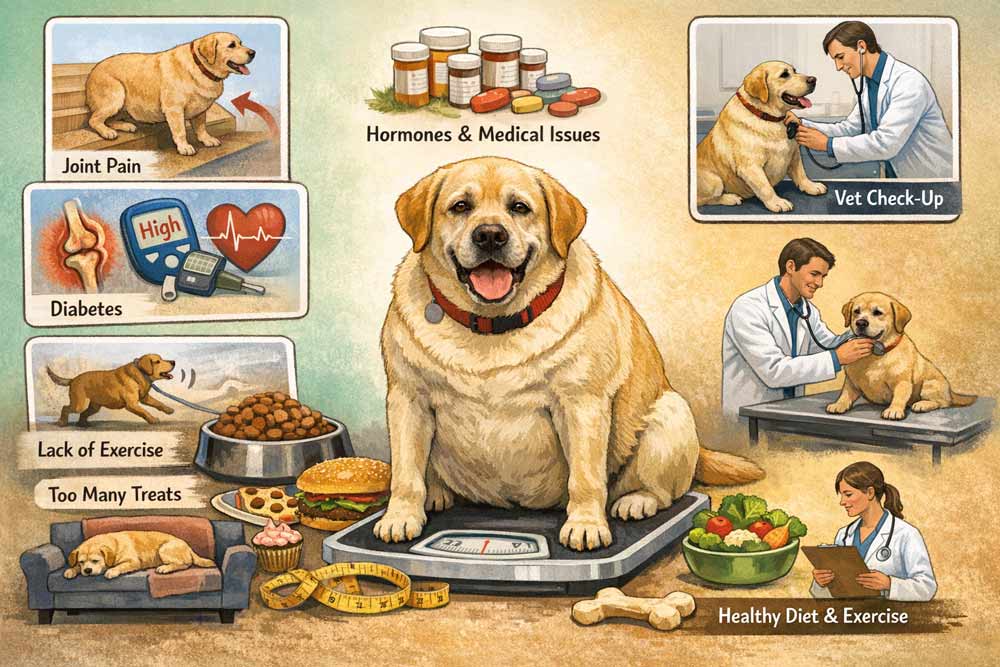
Canine obesity has become one of the most common health issues affecting dogs today, with studies showing that more than 56% of dogs in the United States are overweight or obese. This condition occurs when a dog carries excess body fat that negatively impacts their health and quality of life. Understanding canine obesity is crucial for every dog owner, as it can lead to serious health complications including diabetes, heart disease, joint problems, and a shortened lifespan.
The good news is that canine obesity is largely preventable and manageable with proper knowledge and consistent care. By recognizing the causes, implementing effective prevention strategies, and knowing when to seek professional help, you can help your furry companion maintain a healthy weight throughout their life.
What Dog Owners Should Know
Several factors contribute to canine obesity, and understanding these causes helps you make informed decisions about your dog’s health. Overfeeding remains the primary culprit, often combined with insufficient exercise and poor food choices. Many well-meaning owners unknowingly provide too many calories through regular meals, treats, and table scraps.
Age and genetics also play significant roles in weight management. Senior dogs typically have slower metabolisms and may be less active, making weight gain more likely. Certain breeds, including Labrador Retrievers, Golden Retrievers, Beagles, and Pugs, have genetic predispositions to weight gain and may require more careful monitoring.
Medical conditions can also contribute to weight gain. Hypothyroidism, Cushing’s disease, and certain medications can affect your dog’s metabolism and appetite. Additionally, spaying or neutering can slow metabolism, though this doesn’t inevitably lead to obesity with proper management.
The health risks associated with canine obesity are serious and far-reaching. Excess weight puts additional strain on your dog’s joints, potentially leading to arthritis and mobility issues. Obese dogs face increased risks of developing Understanding Canine Diabetes: Symptoms and Management and Recognizing Symptoms of Canine Heart Disease. These conditions can significantly impact your dog’s quality of life and may require lifelong management.
Respiratory problems are common in overweight dogs, as excess fat around the chest and neck can make breathing more difficult. This is particularly concerning for brachycephalic breeds (flat-faced dogs) who already face breathing challenges. Heat tolerance also decreases in obese dogs, making them more susceptible to heat stroke during warm weather.
What You Can Do at Home
Preventing and managing canine obesity starts with establishing healthy feeding practices. Measure your dog’s food portions using a proper measuring cup rather than estimating. Follow the feeding guidelines on your dog food package, but remember these are starting points that may need adjustment based on your individual dog’s needs, activity level, and body condition.
Choose high-quality dog food appropriate for your pet’s life stage, size, and activity level. Look for foods with named protein sources as the first ingredient and avoid foods with excessive fillers or by-products. If you’re unsure about the best food choice for your dog, consult with your veterinarian for personalized recommendations.
Treat management is crucial for weight control. Treats should comprise no more than 10% of your dog’s daily caloric intake. Consider using healthy alternatives like small pieces of carrots, green beans, or apple slices (without seeds). You can also use portions of your dog’s regular kibble as training treats to avoid adding extra calories.
Regular exercise is essential for maintaining a healthy weight and overall well-being. Most dogs benefit from at least 30 minutes of moderate exercise daily, though requirements vary by breed, age, and health status. Walking remains one of the best forms of exercise for dogs, providing both physical activity and mental stimulation. Swimming is excellent for dogs with joint issues, as it provides low-impact exercise.
Create an exercise routine that fits both your schedule and your dog’s abilities. Start slowly if your dog is currently sedentary, gradually increasing duration and intensity. Interactive play sessions, such as fetch or tug-of-war, can provide excellent exercise while strengthening your bond. Understanding the Effects of Weather on Dog Behavior can help you adapt exercise routines for different seasons.
Monitor your dog’s body condition regularly by performing simple visual and hands-on assessments. You should be able to feel your dog’s ribs easily without pressing hard, and there should be a visible waist when viewed from above. From the side, you should see an abdominal tuck where the belly curves up toward the hind legs.
Keep a food and exercise diary to track your dog’s progress and identify patterns. Note what and how much your dog eats, exercise duration and type, and any changes in weight or body condition. This information proves valuable during veterinary visits and helps you make informed adjustments to your dog’s routine.
When to Call Your Vet
Schedule a veterinary appointment if you notice signs that your dog may be overweight or if you’re concerned about their weight status. Professional assessment is particularly important if your dog has gained weight rapidly, shows decreased activity levels, or displays difficulty breathing during normal activities.
Contact your veterinarian immediately if your dog exhibits labored breathing, excessive panting at rest, or reluctance to exercise that develops suddenly. These symptoms could indicate serious health complications related to weight or underlying medical conditions requiring prompt attention.
Regular veterinary check-ups are essential for maintaining your dog’s health and catching weight issues early. Most dogs benefit from annual examinations, though senior dogs or those with health conditions may need more frequent visits. During these appointments, your veterinarian can assess your dog’s body condition, discuss nutrition and exercise plans, and screen for underlying medical conditions that might affect weight.
If your dog needs to lose weight, your veterinarian can develop a safe and effective weight loss plan tailored to your pet’s specific needs. Rapid weight loss can be dangerous for dogs, so professional guidance ensures the process is both safe and successful. Your vet may also recommend prescription weight management foods or refer you to a veterinary nutritionist for complex cases.
Dogs with certain health conditions require special consideration for weight management. Recognizing Canine Allergies: Symptoms and Solutions may affect food choices, while other conditions might limit exercise options. Your veterinarian can help navigate these challenges while maintaining your dog’s overall health.
Related reading: Understanding Canine Cognitive Dysfunction: Signs and Care
FAQ
What are the signs of obesity in dogs?
Signs of canine obesity include difficulty feeling your dog’s ribs without pressing firmly, loss of visible waist when viewed from above, no abdominal tuck when viewed from the side, excessive panting during mild activity, decreased energy levels, and difficulty with normal activities like jumping or climbing stairs. You may also notice changes in your dog’s gait or reluctance to exercise.
How can I help my dog lose weight?
Help your dog lose weight by working with your veterinarian to develop a safe weight loss plan. This typically includes measuring food portions accurately, reducing treats to less than 10% of daily calories, increasing exercise gradually, and switching to a weight management dog food if recommended. Monitor progress through regular weigh-ins and body condition assessments. Remember that safe weight loss is gradual, typically 1-2% of body weight per week.
What dietary changes can prevent obesity?
Prevent obesity through proper portion control, feeding scheduled meals rather than free-feeding, choosing age-appropriate high-quality dog food, limiting treats and table scraps, and avoiding high-calorie human foods. Consider using puzzle feeders or slow-feed bowls to make meals more engaging and help your dog feel satisfied with appropriate portions. Always measure food with proper measuring cups rather than estimating.
When should I consult my veterinarian about my dog’s weight?
Consult your veterinarian if you’re unsure about your dog’s ideal weight, notice sudden weight gain or loss, observe decreased activity or breathing difficulties, need help developing a weight management plan, or if your dog has underlying health conditions that affect weight. Regular check-ups should include body condition assessments, and any concerns about your dog’s weight warrant professional evaluation.
It’s worth noting that monitoring your dog’s overall health includes being aware of other indicators. Why Do Dogs Have Different Types of Poop? The Science Behind Canine Fecal Variation can provide insights into your dog’s digestive health, which is closely connected to nutrition and weight management.
Disclaimer: This article is for educational purposes only and is not intended to replace professional veterinary advice. Always consult with a qualified veterinarian regarding your dog’s health, weight management, and any concerns about obesity or related health conditions. Individual dogs may have unique needs that require personalized medical attention.
Disclaimer: This article is educational and not a substitute for professional veterinary advice.