
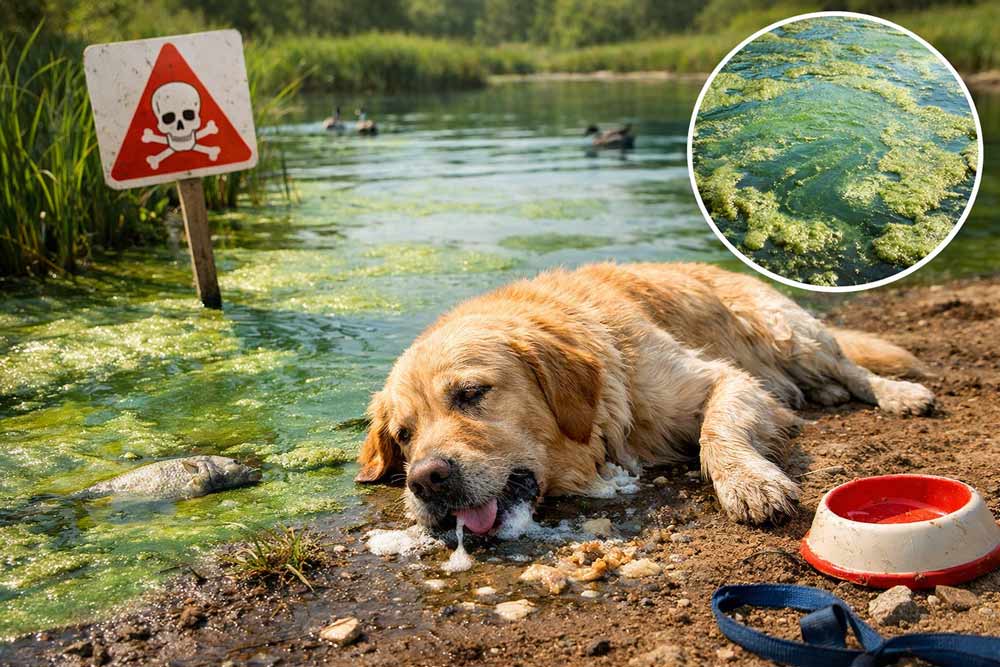
Blue-green algae dangers pose a serious threat to dogs, especially during warm weather when these toxic organisms bloom in stagnant water sources. While not all blue-green algae are harmful, certain species produce potent toxins that can cause severe illness or death in dogs within hours of exposure. Understanding these environmental risks for dogs and recognizing the warning signs early can be the difference between a successful recovery and a tragic outcome.
During summer months and periods of drought, blue-green algae blooms become more common in ponds, lakes, slow-moving streams, and even contaminated water bowls left outside. Dogs are particularly vulnerable because they often drink from any available water source during walks or outdoor activities, and their smaller body size means even small amounts of contaminated water can cause serious harm.
Why This Risk Matters
Blue-green algae, technically called cyanobacteria, thrive in warm, nutrient-rich water with low oxygen levels. When conditions are right, these organisms multiply rapidly, creating visible blooms that can appear as green, blue-green, or reddish scums on water surfaces. The real danger lies in the potent neurotoxins and hepatotoxins these algae produce.
These toxins affect dogs’ nervous systems and liver function with frightening speed. Unlike many other dog health risks that develop gradually, blue-green algae poisoning can progress from first exposure to life-threatening symptoms within 15 minutes to several hours. The toxins are so concentrated that even a few licks of contaminated water can be fatal for small dogs.
What makes this environmental risk particularly concerning is how common exposure opportunities are during routine activities. Dogs encounter potential blue-green algae sources during walks near water, camping trips, visits to dog parks with water features, or even drinking from outdoor water containers that have been contaminated by wind-blown algae.
The severity of poisoning depends on several factors: the amount of contaminated water consumed, the concentration of toxins in that particular bloom, your dog’s size and overall health, and how quickly treatment begins. Unfortunately, there’s no way to determine toxin concentration just by looking at water, making prevention the most reliable protection strategy.
Warning Signs to Watch For
Recognizing the early warning signs of blue-green algae exposure is crucial because symptoms can escalate rapidly. The first signs often appear within 15 minutes to 2 hours after exposure, though some symptoms may not develop until several hours later.
Early neurological symptoms include excessive drooling, vomiting, and diarrhea. Dogs may appear disoriented, have difficulty walking, or seem unusually lethargic. You might notice muscle tremors, twitching, or seizures as the toxins affect the nervous system. Some dogs develop difficulty breathing or show signs of weakness in their hind legs.
Gastrointestinal signs are also common and can include bloody diarrhea, loss of appetite, and abdominal pain. Dogs may show signs of nausea by repeatedly licking their lips, swallowing excessively, or seeking unusual places to lie down.
As the condition progresses, more serious symptoms may develop. These can include pale or yellow gums, indicating liver involvement, severe dehydration, collapse, or loss of consciousness. Signs Your Dog Is Dehydrated: What to Look For can help you recognize this dangerous complication early.
It’s important to understand that symptoms can vary significantly between dogs and different types of blue-green algae toxins. Some dogs may show primarily neurological symptoms, while others develop severe digestive issues. The key is recognizing that any combination of these symptoms following potential water exposure requires immediate attention.
What You Can Do Right Away
If you suspect your dog has been exposed to blue-green algae, time is critical. Your immediate actions can significantly impact the outcome, but it’s essential to take safe steps that won’t make the situation worse.
First, remove your dog from the contaminated area immediately and prevent further water consumption. If you have clean, fresh water available, you can offer small amounts to help dilute any toxins still in the mouth, but don’t force drinking if your dog is vomiting or showing neurological symptoms.
Do not attempt to induce vomiting unless specifically instructed by a veterinarian or pet poison control center. While this might seem helpful, vomiting can sometimes make neurological symptoms worse or cause additional complications in dogs that are already experiencing breathing difficulties.
If possible, rinse your dog’s mouth with clean water to remove any remaining contaminated water, but be careful not to let them swallow the rinse water. You can also gently rinse any algae residue from their fur, particularly around the mouth and paws where they might lick later.
Keep your dog calm and comfortable while preparing for immediate veterinary care. Avoid giving any medications, home remedies, or food unless specifically directed by a veterinary professional. Emergency First Aid for Dog Injuries provides additional guidance for handling emergency situations safely.
Document what happened if possible. Note the time of exposure, location of the water source, your dog’s symptoms, and their progression. This information will help veterinary professionals provide the most appropriate treatment quickly.
When to Call Your Vet
Any suspected blue-green algae exposure requires immediate veterinary attention, but certain situations demand emergency intervention without delay. Understanding when to seek urgent care versus routine veterinary consultation can be lifesaving.
Call your emergency veterinarian or pet poison control center immediately if your dog shows any neurological symptoms such as seizures, difficulty walking, muscle tremors, or loss of consciousness. These signs indicate the toxins are affecting the nervous system and require immediate professional intervention.
Breathing difficulties, including rapid or labored breathing, gasping, or blue-tinged gums, constitute a veterinary emergency. Similarly, if your dog collapses, becomes unresponsive, or shows signs of shock, seek emergency care immediately rather than waiting for an appointment.
Severe vomiting or diarrhea, especially if bloody, requires urgent attention because rapid dehydration can compound the toxin’s effects. Dogs showing signs of severe abdominal pain, such as a hunched posture, whimpering, or reluctance to move, also need immediate care.
Even if symptoms seem mild initially, contact your veterinarian or pet poison control center for guidance. Blue-green algae poisoning can worsen rapidly, and early intervention often leads to better outcomes. Don’t wait to see if symptoms improve on their own, as this delay could be dangerous.
If you’re unsure about the severity of symptoms, err on the side of caution. Veterinary professionals can provide phone consultation to help determine the urgency level, and many prefer to evaluate potentially poisoned dogs in person rather than risk delayed treatment.
Keep in mind that treatment effectiveness often depends on how quickly it begins after exposure. Just as with other serious health conditions like those discussed in Understanding Canine Diabetes: Symptoms and Management, early professional intervention typically leads to better outcomes.
Related reading: Recognizing Signs of Dog Arthritis: Early Detection and Management
Related reading: How to Recognize and Manage Dog Allergies
Dogs with similar concerns often benefit from understanding managing dog allergies — it covers related symptoms and when to act.
Related reading: The Ultimate Guide to Puppy Socialization
FAQ
What is blue-green algae?
Blue-green algae are actually cyanobacteria that grow in warm, stagnant water with high nutrient levels. Despite their name, they can appear green, blue-green, red, or brown. When environmental conditions are favorable, they multiply rapidly to form visible blooms on water surfaces. Some species produce potent toxins that are dangerous to dogs and other animals.
How does blue-green algae affect dogs?
Blue-green algae produce neurotoxins and hepatotoxins that affect dogs’ nervous systems and liver function. These toxins can cause symptoms ranging from vomiting and diarrhea to seizures, difficulty breathing, and liver damage. The effects can begin within 15 minutes of exposure and can be fatal if not treated promptly. The severity depends on the amount consumed, toxin concentration, and the dog’s size.
What should I do if my dog has been exposed?
Remove your dog from the contaminated area immediately and contact your veterinarian or pet poison control center right away. Rinse your dog’s mouth with clean water if possible, but don’t induce vomiting unless instructed by a professional. Keep your dog calm and comfortable while seeking immediate veterinary care. Time is critical with blue-green algae exposure.
Are there specific breeds more at risk?
All dogs are susceptible to blue-green algae poisoning, but smaller dogs may be more severely affected because the same amount of toxin represents a larger dose relative to their body weight. Dogs that spend more time around water sources or those that drink readily from any available water may have higher exposure risk, but breed doesn’t determine susceptibility to the toxins themselves.
How can I prevent my dog from encountering blue-green algae?
Avoid letting your dog drink from or swim in stagnant water, especially during warm weather. Carry fresh water for your dog during walks and outdoor activities. Be particularly cautious around ponds, lakes, and slow-moving streams that show signs of algae blooms such as scums, mats, or unusual coloration on the surface. Clean outdoor water bowls frequently and refill with fresh water regularly.
Prevention also involves being aware of environmental conditions that promote blue-green algae growth. Hot weather, drought conditions, and areas with agricultural runoff increase the likelihood of toxic blooms. When in doubt about water safety, it’s always better to prevent access and provide clean alternatives.
Understanding environmental risks for dogs extends beyond blue-green algae to include other hazards like toxic foods. Just as Can Dogs Eat Chocolate? The Dangers of Theobromine explains food-related dangers, being aware of water-related risks helps keep your dog safe during outdoor activities.
Related reading: The Dangers of Dog Parks: What Every Owner Should Know
Some dogs may also have underlying health conditions that make them more vulnerable to environmental toxins. Recognizing Canine Allergies: Symptoms and Solutions can help you understand if your dog has sensitivities that might affect their response to environmental hazards.
Related reading: Recognizing Symptoms of Canine Heart Disease
Disclaimer: This article is for educational purposes only and is not intended to replace professional veterinary advice, diagnosis, or treatment. Always consult with a qualified veterinarian about your dog’s health concerns. If you suspect your dog has been exposed to blue-green algae or is showing signs of poisoning, seek immediate veterinary care or contact a pet poison control center.
Disclaimer: This article is educational and not a substitute for professional veterinary advice.