
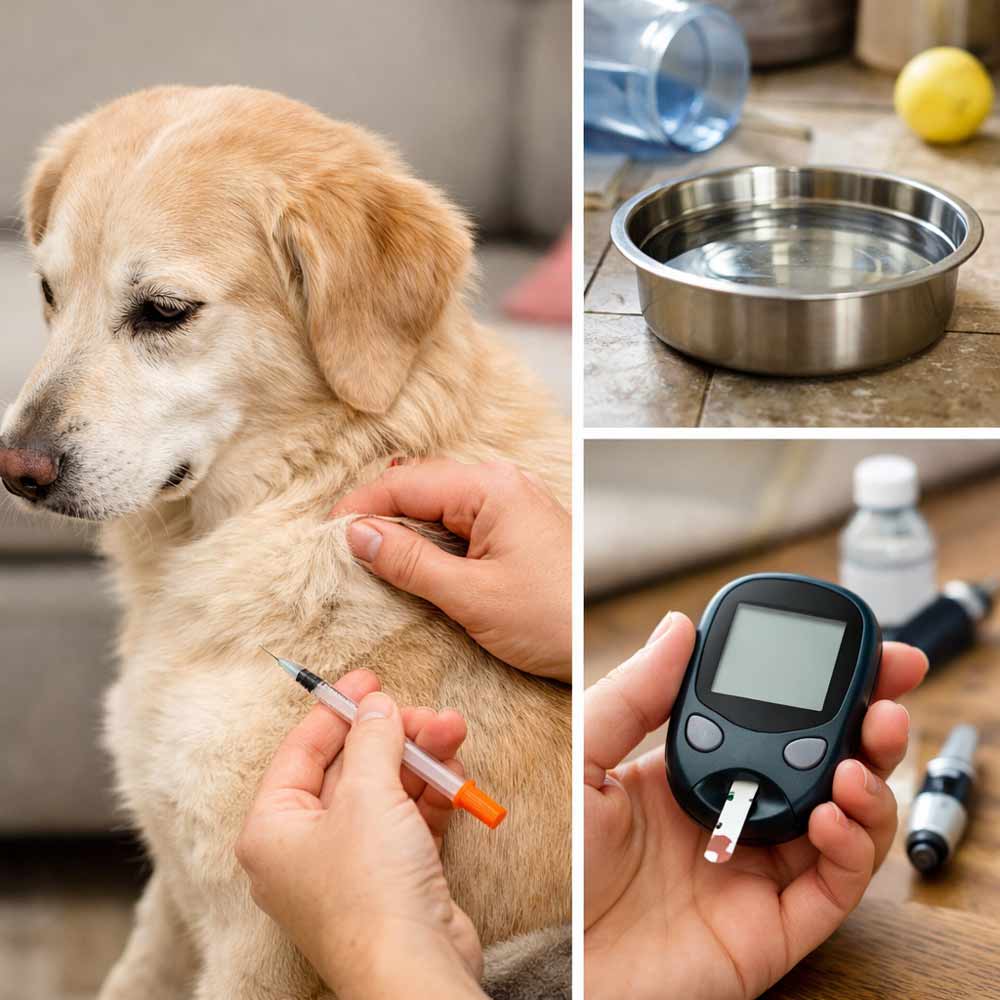
Canine diabetes is a condition where your dog’s body cannot properly produce or use insulin, leading to elevated blood sugar levels. While this diagnosis can feel overwhelming, many dogs with diabetes live full, happy lives with proper management and veterinary care. The key is recognizing the early warning signs and understanding how to support your dog through daily management routines.
Like humans, dogs can develop two main types of diabetes. Type 1 diabetes occurs when the pancreas produces little to no insulin, while Type 2 diabetes happens when the body doesn’t respond properly to insulin. Most dogs develop Type 1 diabetes, which requires daily insulin injections and careful monitoring of diet and exercise.
Common Signs to Watch For
Recognizing dog diabetes symptoms early can make a significant difference in your pet’s long-term health outcomes. The most common signs often develop gradually, so they may be easy to miss initially.
Increased thirst and urination are typically the first noticeable symptoms. Your dog may start drinking water more frequently and asking to go outside more often, sometimes having accidents indoors even if they’re normally house-trained. This happens because excess glucose in the blood pulls water from tissues, leading to dehydration.
Weight loss despite a normal or increased appetite is another key warning sign. When cells can’t access glucose for energy due to insulin problems, the body starts breaking down fat and muscle for fuel. You might notice your dog eating the same amount or even more food but still losing weight.
Lethargy and weakness often accompany these changes. Dogs may seem less interested in walks, play, or normal activities. They might tire more easily or spend more time sleeping than usual.
Other symptoms can include cloudy eyes (cataracts), which develop more frequently in diabetic dogs, and recurring infections, particularly urinary tract infections. Some dogs may also experience vomiting or show changes in their coat quality.
What Can Cause This in Dogs?
Several factors can contribute to the development of canine diabetes, though the exact cause isn’t always clear. Understanding these potential causes can help you better discuss risk factors with your veterinarian.
Genetics play a significant role, with certain breeds showing higher susceptibility. Breeds like Golden Retrievers, German Shepherds, Poodles, and Beagles appear more prone to developing diabetes, though any dog can be affected.
Age is another important factor. Most dogs develop diabetes between 7-10 years old, though it can occur at any age. Female dogs, particularly those that are unspayed, have a higher risk due to hormonal fluctuations that can affect insulin production.
Obesity significantly increases diabetes risk by making cells more resistant to insulin. Dogs carrying extra weight put additional stress on their pancreas, which must work harder to produce enough insulin to manage blood sugar levels.
Other medical conditions can also contribute. Pancreatitis, Cushing’s disease, and certain medications (especially corticosteroids) can interfere with normal insulin function or pancreatic health.
Autoimmune conditions, where the body’s immune system attacks insulin-producing cells in the pancreas, can also lead to diabetes development.
What You Can Check at Home
While you cannot diagnose diabetes at home, there are several things you can monitor that provide valuable information for your veterinarian.
Keep track of your dog’s water consumption by measuring how much water you put in their bowl and noting how often you need to refill it. Similarly, monitor bathroom habits – note frequency of urination and any accidents or changes in typical patterns.
Document eating habits and weight changes. Use a kitchen scale to track your dog’s weight weekly if possible, and note any changes in appetite or food consumption. Taking photos can help you notice gradual weight loss that might not be obvious day-to-day.
Watch energy levels and behavior patterns. Note if your dog seems more tired than usual, less interested in activities they normally enjoy, or showing any changes in their normal routine.
Check for Signs Your Dog Is Dehydrated: What to Look For, as increased thirst doesn’t always mean adequate hydration when diabetes is present.
Look for any recurring health issues like skin infections, urinary problems, or changes in coat quality. Keep a simple log of when you notice symptoms – this information helps veterinarians understand the progression and severity of potential issues.
When to Call Your Vet
Certain situations require immediate veterinary attention, while others warrant scheduling an appointment within a few days.
Contact your vet immediately if your dog shows signs of diabetic ketoacidosis, a life-threatening complication. Warning signs include vomiting, diarrhea, extreme lethargy, difficulty breathing, or a sweet or fruity smell to their breath. These symptoms require Emergency First Aid for Dog Injuries protocols and immediate professional care.
Schedule an appointment within a day or two if you notice the classic diabetes symptoms: increased thirst, increased urination, weight loss despite normal appetite, or persistent lethargy. Don’t wait to see if symptoms resolve on their own.
Also call your vet if your dog has recurring infections, especially urinary tract infections, or if you notice cloudy eyes developing. These can be secondary complications of undiagnosed diabetes.
If your dog has been diagnosed with diabetes and is on treatment, contact your vet if you notice any changes in symptoms, appetite, or behavior, or if you have concerns about managing insulin injections or diet.
Trust your instincts – if something seems off with your dog’s health or behavior, it’s always better to check with a professional rather than wait and worry.
Grooming is rarely just one task — How to Manage Your Dog’s Shedding: Tips and Tricks covers a related area of care that often goes hand in hand with this.
Managing Diabetes in Dogs
Once diagnosed, managing diabetes in dogs involves a consistent daily routine that becomes second nature with practice. Most dogs adapt well to their management routine and can maintain excellent quality of life.
Insulin therapy forms the cornerstone of treatment for most diabetic dogs. Your veterinarian will determine the appropriate type and dosage of insulin, and teach you how to administer injections safely. Many pet owners find giving injections easier than expected, and most dogs tolerate them well.
Diet plays a crucial role in management. High-fiber, low-fat diets help regulate blood sugar levels and maintain healthy weight. Feeding consistent amounts at regular times, typically twice daily in coordination with insulin injections, helps maintain stable glucose levels.
Regular exercise supports overall health and helps regulate blood sugar, but consistency is key. Avoid sudden changes in activity level, which can cause unpredictable blood sugar fluctuations.
Regular veterinary monitoring through blood glucose curves and other tests ensures the treatment plan remains effective and allows for adjustments as needed.
Related reading: Recognizing Signs of Dog Arthritis: Early Detection and Management
FAQ
What are the early signs of diabetes in dogs?
The earliest signs typically include increased thirst and urination, often noticed as more frequent requests to go outside or accidents indoors. Weight loss despite normal eating and decreased energy levels usually follow.
Can diabetes in dogs be managed with diet?
Diet is an important part of diabetes management, but most dogs with diabetes also require insulin therapy. A consistent, high-fiber, low-fat diet helps regulate blood sugar levels, but it typically cannot control diabetes alone.
What is the treatment for canine diabetes?
Treatment usually involves daily insulin injections, a regulated diet, consistent exercise routine, and regular veterinary monitoring. The specific insulin type and dosage depend on your individual dog’s needs.
How can I help my dog live with diabetes?
Establish consistent daily routines for feeding, insulin administration, and exercise. Monitor your dog for any changes in symptoms or behavior, maintain regular veterinary checkups, and learn to recognize signs of blood sugar highs and lows.
Are certain breeds more prone to diabetes?
Yes, some breeds show higher susceptibility, including Golden Retrievers, German Shepherds, Poodles, Beagles, and Samoyeds. However, any dog can develop diabetes regardless of breed.
It’s worth noting that diabetic dogs may have different health considerations that overlap with other conditions. For instance, dietary management might affect digestive patterns, so understanding Why Do Dogs Have Different Types of Poop? The Science Behind Canine Fecal Variation can help you monitor your dog’s overall health. Additionally, since diabetic dogs can be more susceptible to other health issues, being aware of Recognizing Canine Allergies: Symptoms and Solutions can help you distinguish between different health concerns.
If you’re monitoring your dog’s condition, dog dietary needs offers practical guidance on a closely connected health topic.
Related reading: Understanding Canine Obesity: Causes and Prevention
Related reading: Understanding Canine Cognitive Dysfunction: Signs and Care
Related reading: Recognizing Symptoms of Canine Heart Disease
Disclaimer: This article is for educational purposes only and is not intended to replace professional veterinary advice, diagnosis, or treatment. Always consult with your veterinarian regarding your dog’s health concerns and before making any changes to their care routine.
Disclaimer: This article is educational and not a substitute for professional veterinary advice.