
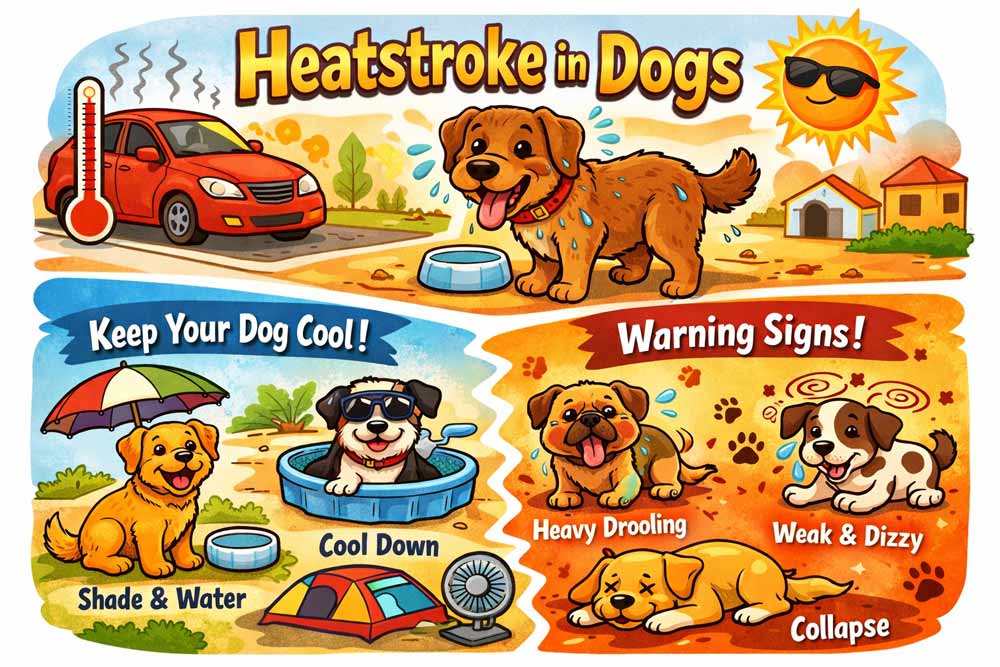
Heatstroke is a serious and potentially life-threatening condition that can affect dogs when they become overheated and cannot cool themselves down effectively. Unlike humans, dogs primarily cool themselves through panting and limited sweating through their paw pads, making them particularly vulnerable during hot weather. The good news is that heatstroke in dogs is largely preventable with proper precautions and awareness.
Understanding how to prevent heatstroke in dogs becomes especially important during summer months, heat waves, or if you live in consistently warm climates. By recognizing the warning signs early and taking proactive steps to keep your dog cool, you can help ensure your furry companion stays safe and comfortable even when temperatures rise.
What Dog Owners Should Know
Heatstroke occurs when a dog’s body temperature rises above its normal range and the animal cannot effectively regulate its internal temperature. A dog’s normal body temperature ranges from 100.5°F to 102.5°F (38°C to 39.2°C). When this temperature climbs to 104°F (40°C) or higher, it can indicate heat exhaustion, and temperatures above 106°F (41.1°C) may signal heatstroke.
Related reading: How to Prevent Dog Heatstroke: Essential Tips
Several factors can increase a dog’s risk of developing heatstroke. Brachycephalic breeds (those with flat faces) like Bulldogs, Pugs, and Boston Terriers are particularly susceptible because their shortened airways make efficient panting more difficult. Overweight dogs, elderly dogs, and those with underlying health conditions also face higher risks. Additionally, dogs with thick coats, very young puppies, and those not acclimated to hot weather need extra attention during warm periods.
Early warning signs of overheating include excessive panting, drooling more than usual, lethargy, and seeking cooler surfaces to lie on. As the condition progresses, you might notice your dog becoming unsteady, showing signs of confusion, or having difficulty breathing. More severe symptoms can include vomiting, diarrhea, bright red gums, and in extreme cases, collapse or loss of consciousness.
Related reading: Understanding the Effects of Weather on Dog Behavior
Environmental factors play a significant role in heatstroke risk. High humidity makes it harder for dogs to cool themselves through panting, while direct sunlight and lack of shade compound the problem. Hot pavement, sand, or car interiors can quickly become dangerous, and even brief exposure to these conditions can lead to overheating.
What You Can Do at Home
Prevention is always the best approach when it comes to heatstroke. Start by adjusting your dog’s exercise routine during hot weather. Schedule walks and outdoor activities during cooler parts of the day, typically early morning or evening hours. Avoid strenuous exercise when temperatures climb above 80°F (27°C), and always check the pavement temperature with your hand—if it’s too hot for you to comfortably hold your palm there for five seconds, it’s too hot for your dog’s paws.
Ensuring constant access to fresh, cool water is crucial for preventing overheating. Place multiple water bowls around your home and yard, and consider adding ice cubes on particularly hot days. When traveling or spending extended time outdoors, bring extra water and a portable bowl. Some dogs enjoy drinking from elevated bowls or water fountains, which can encourage increased water intake.
Creating cool environments helps your dog regulate their body temperature naturally. Provide plenty of shade in your yard using umbrellas, tarps, or natural tree coverage. Indoors, ensure good air circulation with fans or air conditioning. Cooling mats, elevated beds that allow air flow underneath, and access to tile or concrete floors can provide relief. Some owners find that kiddie pools or sprinkler systems offer fun ways for dogs to cool down, though not all dogs enjoy getting wet.
Never leave your dog in a parked car, even for short periods or with windows cracked. Car interiors can reach deadly temperatures within minutes, even on seemingly mild days. The temperature inside a car can rise 20 degrees in just 10 minutes and continue climbing rapidly. If you must travel with your dog during hot weather, ensure your vehicle’s air conditioning is working properly and consider using sunshades on windows.
Grooming can help some dogs stay cooler, but approach this carefully. While removing loose undercoat and matted fur can improve air circulation, shaving double-coated breeds completely can actually make temperature regulation more difficult. Consult with a professional groomer about the best approach for your dog’s specific coat type.
Be mindful of your dog’s individual needs and limitations. Just as humans have different tolerance levels for heat, dogs vary in their ability to handle warm temperatures. Pay attention to your dog’s normal behavior patterns and watch for any changes that might indicate discomfort. Some dogs may seek out cool spots naturally, while others might need guidance to make smart choices about where to rest.
When to Call Your Vet
Recognizing when a situation requires immediate veterinary attention can be lifesaving. Contact your veterinarian or emergency animal clinic right away if your dog shows signs of severe overheating, including excessive panting that doesn’t improve with rest in a cool area, drooling excessively, appearing disoriented or unsteady, vomiting, or having diarrhea after heat exposure.
Seek emergency care immediately if your dog collapses, loses consciousness, has bright red or blue gums, shows signs of difficulty breathing beyond normal panting, or has a body temperature above 104°F (40°C) if you’re able to measure it safely. These symptoms may indicate that heatstroke is progressing to a dangerous stage that requires professional medical intervention.
While waiting for veterinary care or transporting your dog to the clinic, you can begin cooling measures, but do so gradually. Move your dog to a cool, shaded area and offer small amounts of cool (not ice-cold) water if they’re conscious and able to drink. You can apply cool, damp towels to their paw pads, belly, and neck, but avoid using ice or very cold water, which can cause blood vessels to constrict and actually slow the cooling process.
Don’t attempt to force water into an unconscious or vomiting dog’s mouth, and avoid covering them completely with wet towels, which can trap heat. Focus on getting professional help quickly, as veterinarians have specialized equipment and treatments that can address heatstroke more effectively than home remedies alone.
Even if your dog seems to recover from a mild overheating episode at home, it’s still wise to consult with your veterinarian. Heat-related stress can sometimes cause delayed complications or reveal underlying health issues that might increase future risk. Your vet can provide personalized advice for keeping your specific dog safe during hot weather and may recommend adjustments to exercise routines, diet, or other care practices.
Related reading: Essential Puppy Care Tips for New Owners
FAQ
What are the signs of heatstroke in dogs?
Early signs include excessive panting, increased drooling, lethargy, and seeking cool surfaces. More serious symptoms include difficulty breathing, vomiting, diarrhea, unsteadiness, bright red gums, and in severe cases, collapse or loss of consciousness. Any combination of these symptoms after heat exposure warrants immediate attention.
How can I keep my dog cool in hot weather?
Provide constant access to fresh water, ensure plenty of shade, avoid exercising during peak heat hours, and never leave your dog in a parked car. Use fans or air conditioning indoors, consider cooling mats or elevated beds, and allow access to cool flooring. Some dogs enjoy kiddie pools or gentle misting, but introduce these gradually.
What should I do if I suspect my dog has heatstroke?
Move your dog to a cool area immediately and contact your veterinarian or emergency clinic. Offer small amounts of cool water if they’re conscious, and apply damp towels to their paw pads, belly, and neck. Avoid ice water or forcing water on an unconscious dog. Seek professional veterinary care as quickly as possible.
Are certain breeds more susceptible to heatstroke?
Yes, brachycephalic breeds (flat-faced dogs) like Bulldogs, Pugs, and French Bulldogs are at higher risk due to their breathing limitations. Overweight dogs, elderly dogs, those with thick coats, very young puppies, and dogs with underlying health conditions also face increased risk. However, any dog can develop heatstroke under the right conditions.
Can dogs get heatstroke from being in a car?
Absolutely. Car interiors can reach deadly temperatures within minutes, even on mild days and with windows cracked. The temperature inside a parked car can rise 20 degrees in just 10 minutes and continue climbing rapidly. Never leave your dog unattended in a parked vehicle, regardless of outside temperature or duration.
Understanding your dog’s behavior and needs becomes especially important during hot weather. Just as some dogs might seek out small, enclosed spaces when they’re feeling anxious, others might naturally look for cool, open areas when they’re overheating. Pay attention to changes in your dog’s normal patterns, including their barking or vocalization, as these can sometimes indicate discomfort. Remember that maintaining your dog’s overall health through proper nutrition—knowing what foods are safe and which to avoid, such as understanding the risks of chocolate or grapes—supports their ability to handle environmental stressors like heat.
Related reading: The Risks of Leaving Dogs in Hot Cars: What You Should Know
Disclaimer: This article provides educational information about preventing heatstroke in dogs and is not intended to replace professional veterinary advice, diagnosis, or treatment. Always consult with a qualified veterinarian regarding your dog’s health concerns, especially if you suspect heatstroke or any other medical emergency. Every dog is different, and what works for one may not be appropriate for another.
Related reading: Seasonal Risks for Dogs: What to Watch Out For
Related reading: Creative Indoor Activities for Dogs: Keeping Your Pup Engaged
Related reading: Seasonal Allergies in Dogs: Symptoms and Treatments
Disclaimer: This article is educational and not a substitute for professional veterinary advice.